
Bluestripe Clownfish Care Guide: Amphiprion Chrysopterus for Reef Tanks
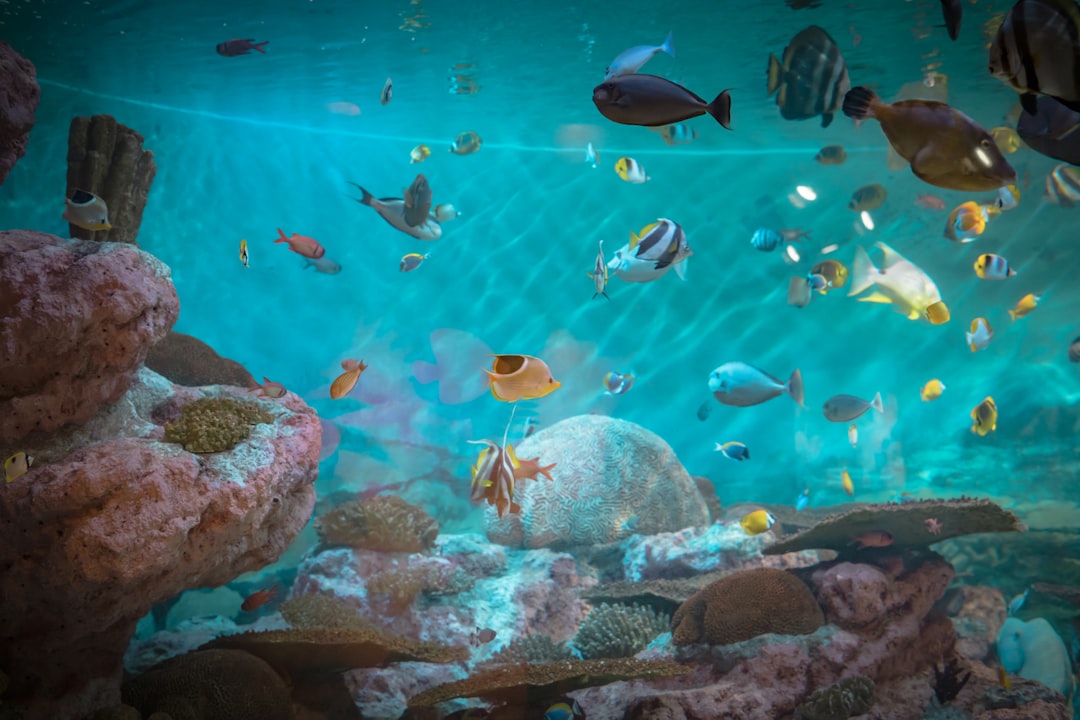
While common clownfish dominate the marine hobby, the bluestripe clownfish offers something genuinely different — electric blue dorsal markings against a rich amber body that stands out in any reef. This bluestripe clownfish care guide from Gensou Aquascaping, 5 Everton Park, Singapore, covers the care requirements of Amphiprion chrysopterus, a robust species that pairs readily with large anemones and adapts well to captive life once settled. This guide sits inside our broader Tropical Fish Species Master Index reference.
Species Profile
Amphiprion chrysopterus inhabits lagoons and outer reef slopes across the Western Pacific, from the Marshall Islands to Papua New Guinea and parts of the Coral Triangle. Adults reach 15 to 17 cm — considerably larger than the common ocellaris clownfish — and display variable colouration depending on their host anemone and geographic origin. The species is robust, with a typical lifespan of 10 to 15 years in well-maintained aquaria. Wild-caught specimens appear occasionally in Singapore’s marine shops, typically priced between $40 and $80 SGD depending on size and origin.
Tank Requirements
Given their adult size, a minimum tank volume of 200 litres is appropriate for a pair. They are active swimmers that patrol a defined territory around their host anemone. Strong lighting to support anemone health, stable water flow, and ample rockwork for territorial boundaries are essential. Unlike smaller clownfish species that suit nano reefs, bluestripe clowns need room to establish territories without dominating the entire tank. A 300-litre reef with mixed SPS and LPS corals provides an ideal home.
Host Anemone Compatibility
In the wild, A. chrysopterus associates primarily with Heteractis crispa (sebae anemone), Stichodactyla mertensii (Merten’s carpet anemone), and Entacmaea quadricolor (bubble-tip anemone). In captivity, bubble-tip anemones are the most practical choice — they tolerate a wider range of lighting and flow conditions than carpet or sebae anemones. A well-established bubble-tip of at least 15 cm diameter typically accepts bluestripe clownfish within a few days. Without a host anemone, these clownfish often adopt a large Euphyllia coral or a patch of Sarcophyton leather coral as a surrogate.
Water Parameters
Maintain salinity at 1.024 to 1.026 specific gravity, temperature between 25 and 28 degrees Celsius, pH of 8.1 to 8.4, and alkalinity of 7 to 11 dKH. In Singapore’s warm conditions, reef tanks in air-conditioned rooms typically sit around 26 to 27 degrees Celsius — ideal for this species. They tolerate minor parameter swings better than most SPS corals, but stability is always the goal. Regular testing of calcium, magnesium, and alkalinity supports both the clownfish’s host anemone and surrounding corals.
Feeding
Bluestripe clownfish are enthusiastic omnivores. Offer a rotation of frozen mysis shrimp, enriched brine shrimp, marine pellets, and finely chopped seafood. They accept food readily and often become the first fish at the surface during feeding time. Their large adult size means they can handle larger food items — whole mysis and small krill — that smaller clownfish species cannot manage. Feed twice daily in moderate portions. Supplementing with nori or spirulina flakes supports their herbivorous dietary component.
Behaviour and Tankmates
Like all clownfish, A. chrysopterus can be territorial, particularly the dominant female of a pair. They will defend their anemone vigorously against other clownfish species, so keep only one clownfish species per tank. Compatible tankmates include tangs, fairy wrasses, anthias, and cardinalfish — species that occupy different zones of the tank and do not challenge the clownfish’s territory. Avoid mixing with other large clownfish species like maroon clowns (Premnas biaculeatus), as aggression between the two can be severe.
Breeding in Captivity
Established pairs spawn regularly on flat rock surfaces near their host anemone. The male guards and aerates the clutch for six to eight days until hatching. Raising larvae requires a dedicated rearing tank, rotifers, and microalgae — a demanding but rewarding process. Captive-bred bluestripe clownfish are uncommon in the trade, which means successful breeders in Singapore may find a niche market among fellow hobbyists. Larvae metamorphose into juveniles after 10 to 14 days of rearing on progressively larger live foods.
Why Choose the Bluestripe
For reefers seeking a clownfish with more presence and personality than the ubiquitous ocellaris, Amphiprion chrysopterus delivers. Their larger size, striking blue markings, and bold demeanour make them a centrepiece species rather than a background addition. Paired with a healthy bubble-tip anemone in a spacious reef, the bluestripe clownfish becomes one of the most visually rewarding fish in the marine hobby.
Related Reading



