
Leather Coral Care Guide: Sarcophyton Toadstool for Beginners
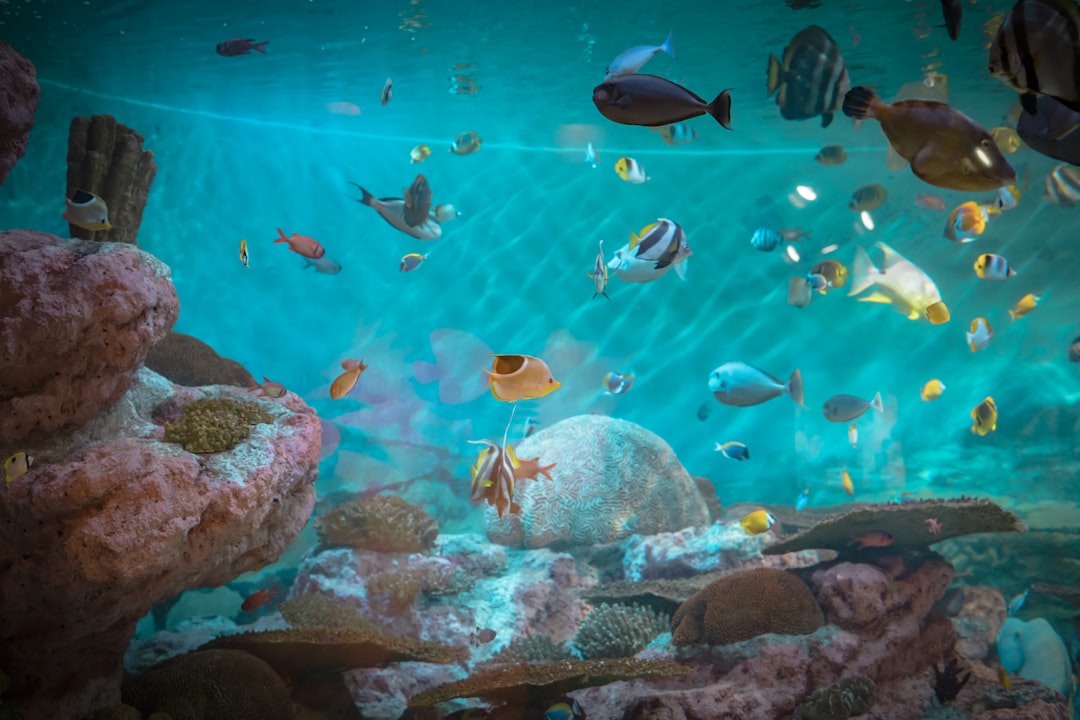
Shaped like a mushroom cap perched on a thick stalk, the toadstool leather coral is one of the most forgiving soft corals a beginner reefer can choose. This leather coral care guide from Gensou Aquascaping at 5 Everton Park, Singapore covers Sarcophyton species care, from ideal placement to managing the chemical compounds these corals release into your reef system. Hardy, fast-growing and visually impressive at mature size, leathers have earned their place as a staple in reef tanks across the hobby.
Species Overview
Sarcophyton is a genus of soft corals found throughout the Indo-Pacific. The most commonly kept species, Sarcophyton elegans and Sarcophyton glaucum, grow into large, mushroom-shaped colonies that can reach 30-40 cm across in captivity. The cap surface is covered in retractable polyps that extend during favourable conditions, giving the coral a fuzzy, textured appearance. When stressed or shedding, polyps retract and the surface becomes smooth and waxy. Colour ranges from tan and cream to vivid green and yellow, with green specimens typically commanding higher prices of $30-80 depending on size.
Placement and Lighting
Toadstool leathers are adaptable but perform best under moderate light. Aim for PAR values of 100-200 — mid-level rockwork in most reef tanks provides this range. They tolerate higher light once acclimated but may bleach under intense direct LED output exceeding PAR 300. Place the coral on a stable rock surface where it has room to grow outward without touching neighbours. Leathers grow surprisingly fast — a 5 cm frag can reach 20 cm across within a year under good conditions, so plan for future size rather than current footprint.
Water Flow
Moderate, alternating flow keeps toadstool leathers healthy. The polyps should sway gently without being flattened. Insufficient flow causes detritus to accumulate on the cap surface, leading to tissue irritation and prolonged polyp retraction. Excessive laminar flow from a single powerhead can cause one side to grow faster than the other, creating a lopsided colony. Random flow patterns from wavemakers work well — the varying current direction mimics natural reef conditions and encourages even growth.
Water Parameters
Standard reef parameters suit leathers: SG 1.024-1.026, temperature 25-27°C, alkalinity 7-10 dKH, calcium 380-440 ppm. Leathers are notably more tolerant of elevated nutrients than most corals — nitrates up to 20 ppm and phosphates up to 0.08 ppm rarely cause problems. This tolerance makes them ideal for newer reef setups where nutrient export is still being dialled in. Maintain stable parameters above all else; leathers handle imperfect numbers far better than fluctuating ones.
The Shedding Cycle
Every few weeks, toadstool leathers retract their polyps and develop a waxy film across their cap surface. This shedding cycle is completely normal — the coral sheds a thin mucus layer to remove algae, detritus and parasites. The process lasts one to five days. Do not panic, do not move the coral, and do not attempt to peel the film off. Increased flow during shedding helps the mucus detach naturally. Polyps re-emerge once shedding is complete, often looking fuller and more vibrant than before.
Chemical Warfare: Terpenes
This is the most critical consideration for reef planning. Sarcophyton species produce terpene compounds — organic chemicals released into the water column that inhibit the growth of competing corals, particularly SPS species like Acropora and Montipora. In small tanks under 200 litres, these allelopathic compounds can reach concentrations that cause SPS tissue necrosis. Running activated carbon in your filtration absorbs a significant portion of these terpenes. Replace carbon monthly and consider a protein skimmer rated for at least twice your tank volume to strip additional organics.
Fragging
Leather corals frag easily. Use a sharp, clean razor blade or scalpel to cut sections from the cap. The frag and parent colony both heal within one to two weeks, forming a new skin over the cut surface. Attach frags to rubble using rubber bands or reef glue — cyanoacrylate gel works well. Frags grow rapidly and make excellent gifts or trades within the local reefing community. Some hobbyists on Carousell regularly sell toadstool frags for $10-20, making this one of the most accessible corals for newcomers.
Long-Term Considerations
Mature toadstool leathers can dominate a tank’s upper rockwork within two to three years, shading corals below and releasing increasing amounts of terpenes. Plan ahead by placing your leather on an isolated rock island or at the tank’s edge where future growth expands into open space rather than over existing colonies. With this leather coral care guide, Sarcophyton toadstools reward you with impressive size, reliable hardiness and a mesmerising display of extended polyps swaying in the current.
Related Reading
- Toadstool Leather Coral Care Guide: Sarcophyton for Beginners
- Acropora Coral Care Guide: SPS Basics for Singapore Reefers
- Brain Coral Care Guide: Lobophyllia and Symphyllia in Reef Tanks
- Bubble Coral Care Guide: Plerogyra Sinuosa Feeding and Placement
- Coral Beauty Angelfish Care Guide: Dwarf Angel for Reef Tanks



