
Orange Eye Blue Tiger Shrimp Care Guide: OEBT Parameters and Breeding
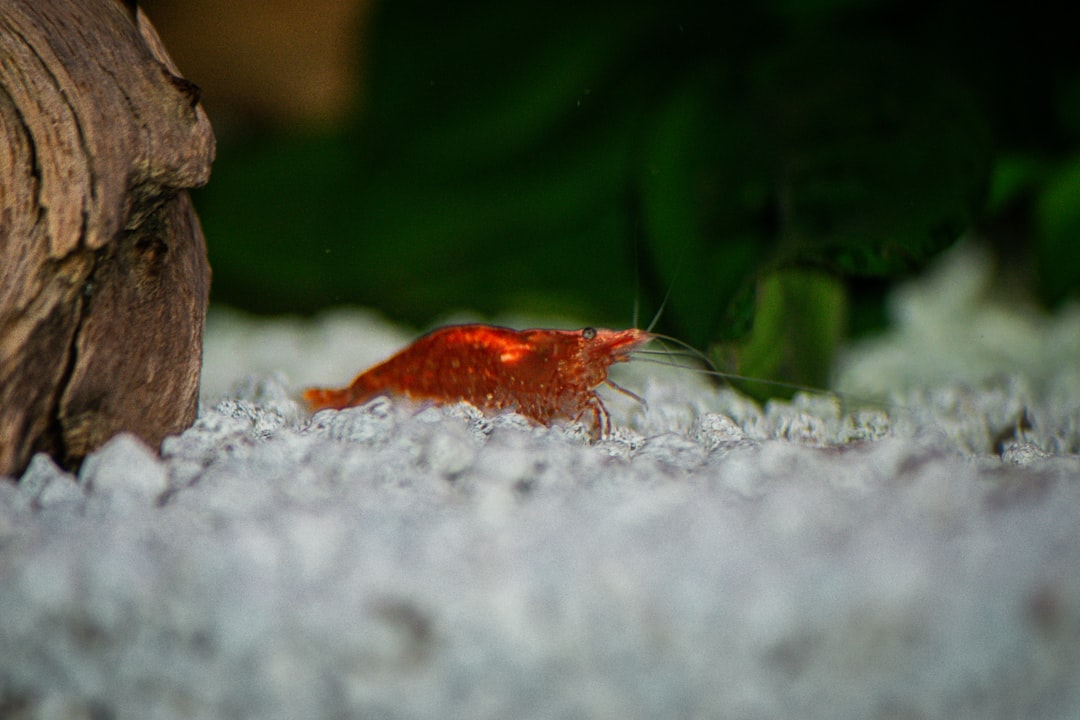
With their striking cobalt bodies and vivid orange eyes, OEBT shrimp are among the most visually arresting dwarf shrimp in the hobby. This orange eye blue tiger shrimp care guide from Gensou Aquascaping Singapore — backed by over 20 years of hands-on experience at 5 Everton Park — walks you through the parameters, diet, and breeding strategies that keep these Caridina shrimp at their best. Getting OEBT right requires more precision than Neocaridina, but the payoff is extraordinary colour.
Origin and Genetics
Caridina cantonensis “Orange Eye Blue Tiger” is a selectively bred colour morph originating from standard tiger shrimp lines. The blue colouration results from years of line breeding for intensity, while the signature orange eyes are a separate recessive trait fixed through careful pairing. Wild-type tigers carry faint stripes on a translucent body — OEBT represent the pinnacle of selective refinement from that base.
Because the orange-eye trait can dilute when crossed with non-orange-eye tigers, keeping your breeding colony pure is essential. Mixing OEBT with other tiger variants usually produces muddy offspring within two generations.
Water Parameters
OEBT sit in an interesting middle ground among Caridina. They tolerate slightly harder water than crystal shrimp but still prefer soft, mildly acidic conditions. Aim for pH 6.2–7.0, GH 4–7, KH 0–2, TDS 120–180, and temperature between 21–25 °C. Singapore’s PUB tap water is soft enough, though the chloramine treatment means you must use a quality dechlorinator every time.
Active buffering substrates like Brightwell Aquatics Rio Escuro or ADA Amazonia help maintain stable acidic conditions. Avoid inert substrates unless you are remineralising RO water to exact specifications — parameter drift is the number-one killer of OEBT colonies.
Tank Setup
A 30-litre tank comfortably houses a starter colony of 10–15 OEBT. Dense moss — java moss, Christmas moss, or Taxiphyllum sp. “flame” — provides grazing surface, biofilm habitat, and shelter for shrimplets. Add a sponge filter for gentle flow and safe mechanical filtration; powerheads or hang-on-back filters risk sucking in tiny juveniles.
Botanicals such as catappa leaves and alder cones leach tannins that mildly lower pH and offer antimicrobial benefits. Replace them every two to three weeks as they decompose. In Singapore’s humid climate, evaporation from open-top tanks concentrates minerals faster than in temperate regions — top off with RO or distilled water, never tap.
Feeding
OEBT graze biofilm constantly, but supplemental feeding keeps colour intensity high. Rotate among high-quality shrimp pellets, blanched spinach, mulberry leaves, and frozen foods like daphnia or cyclops. Feed sparingly — a pinch every other day for a colony of 20 is sufficient. Overfeeding fouls water quickly in small volumes.
Mineral-rich foods help with moulting. Snowflake pellets or bee pollen provide calcium and trace elements that support clean moults every three to four weeks.
Breeding OEBT
Females carry 20–30 eggs in their swimmerets for roughly 28–30 days at 23 °C. Shrimplets emerge as miniature adults — no larval stage — and reach sellable size in about three months. Maintaining a stable colony of 30 or more adults ensures continuous reproduction without excessive inbreeding.
Cull offspring that lack the characteristic blue saturation or show brown-tinted eyes. Ruthless selection over four to five generations visibly improves the line. Many Singapore hobbyists sell culls at $1–$2 each on Carousell, while high-grade OEBT command $5–$10 per shrimp.
Common Issues
Bacterial infections, often presenting as a milky white body or pink discolouration near the rostrum, hit OEBT colonies when parameters swing. Sudden drops in TDS after a large water change are a frequent trigger. Change no more than 15 % at a time and match the replacement water’s TDS to the tank.
Failed moults — where the shrimp cannot shed its old exoskeleton — indicate insufficient GH or mineral deficiency. Adding a GH-raising supplement like SaltyShrimp GH+ to your top-off water resolves most cases. Keep GH above 4 dGH at all times.
OEBT in a Community Setting
OEBT coexist peacefully with other dwarf shrimp, but housing them alongside Neocaridina risks unwanted hybridisation — the species cannot cross, yet visual confusion during sorting is common. Snails like Clithon nerites and small, peaceful fish such as Boraras brigittae work well as companions. Avoid any fish large enough to predate on shrimplets, which includes most tetras above 3 cm.
Following this orange eye blue tiger shrimp care guide closely should give your colony the stability it needs to display deep blue colour and breed reliably. For hobbyists in Singapore, the local water chemistry is actually an advantage — a little buffering goes a long way.
Related Reading
- Caridina vs Neocaridina Shrimp: Water, Care and Breeding Differences
- Freshwater Aquarium Shrimp Species Guide: Every Type Compared
- How to Breed Neocaridina Shrimp for Colour: Line Breeding Guide
- Sulawesi Cardinal Shrimp Care Guide: Pristine Water and High Heat
- Best Shrimp for a Planted Aquarium: Algae Eaters and Cleaners



