
Clownfish Breeding Project Guide: Pair to Hatchery Setup
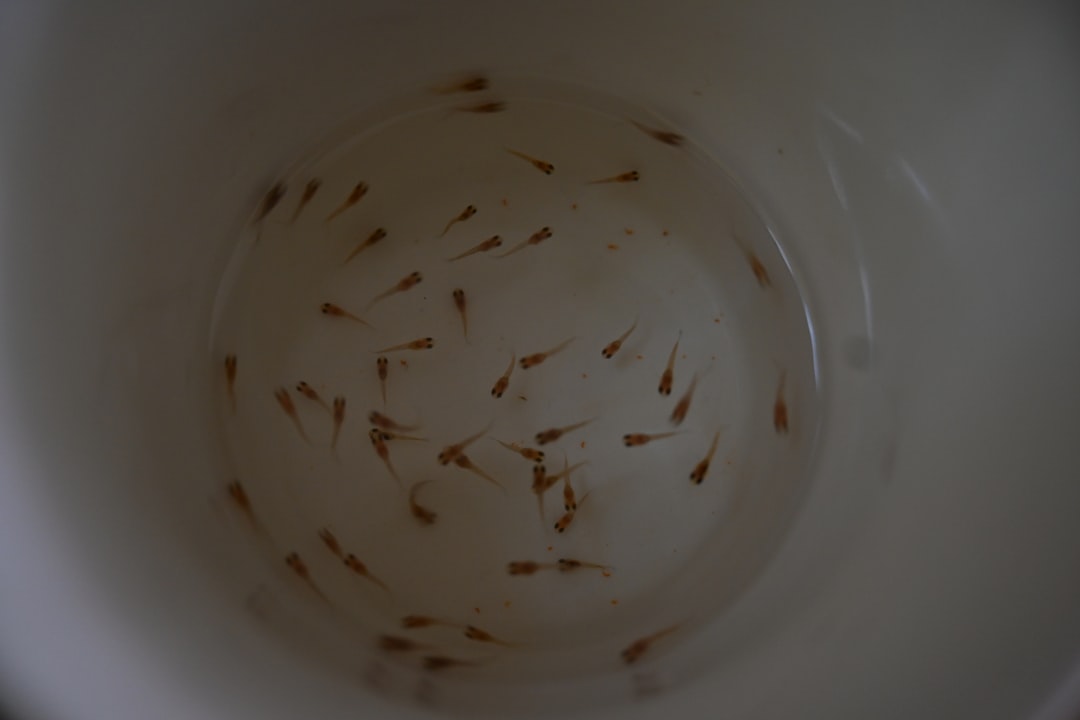
Clownfish are the only commonly available marine species a home hobbyist can realistically breed to harvest without starting a fish farm. This clownfish breeding project guide from Gensou Aquascaping at 5 Everton Park walks through the full arc — pair selection, broodstock conditioning, spawning tile, egg protection, and the decision point where you either commit to larval rearing or accept that the eggs are just for practice. Expect the first viable harvest around spawn number five or six, not the first.
Quick Facts
- Broodstock tank: 80-120 litres for a single pair
- Water parameters: 26-27 °C, salinity 1.025, pH 8.1-8.3
- Spawn interval: every 12-16 days once established
- Clutch size: 200-800 eggs depending on age and species
- Hatch timing: 7-9 nights after laying, always after lights out
- Realistic survival to metamorphosis: 5-40% on first attempts
- Budget: $500-800 for a complete hatchery rig
Selecting Broodstock
Buy a bonded pair rather than trying to pair adults yourself — Amphiprion ocellaris and A. percula are the reliable beginner choices. A bonded pair in Singapore runs around $80-150 through the Thomson and Pasir Ris marine shops, or $200+ for proven breeders on Carousell. The female is the larger fish; pairs that already squabble in the shop bag are not bonded. Look for clear fins, full body depth, and active colour.
Avoid designer morphs like Picasso and Snowflake for your first project. Wild-type fish lay more reliably and raise hardier fry.
Broodstock Tank Setup
Clownfish spawn against a vertical surface next to a host. A bare-bottom 80-120 litre tank with a small sump or a hang-on refugium works best — no sand means you can siphon debris without disturbing eggs. Provide a flowerpot laid on its side, a ceramic tile, or a piece of flat slate wedged vertically against the rockwork. A bubble-tip anemone is not required, and we recommend against one for first-time breeders because it complicates net access.
Run moderate flow, a small skimmer, and stable temperature. Light on a 10-hour cycle, dim to encourage spawning rather than blasting reef PAR.
Conditioning the Pair
Feed four to five times daily with a rotation: frozen mysis, enriched brine, Nutramar Ova, chopped clam, and a high-protein pellet. The goal is to fatten the female without polluting the tank. Expect first spawns within six to twelve weeks of a stable pair settling in. If a pair does nothing for three months despite heavy feeding, check nitrate (under 10 ppm), temperature stability, and whether the tile is positioned where they actually patrol.
Recognising a Spawn
Spawning behaviour is obvious once you see it. The pair cleans a patch on the tile for 24-48 hours beforehand, the female’s belly visibly swells, and the actual laying takes about two hours in the morning. The male fans the eggs immediately afterwards and continues until hatch. Eggs start orange, darken to deep red by day three, and show silver eyes by night six or seven.
Egg Management
You have two routes. Option one: leave the eggs with the parents and collect hatched larvae the morning after hatch by scooping water from the upper layer, where phototactic larvae gather under a single point light. Option two: remove the tile the evening of expected hatch to a separate larval tank with matched water and gentle air stone flow. We prefer the tile-transfer method once you have a reliable hatchery, because it avoids net stress on the larvae.
Larval Tank Basics
Set up a 20-40 litre black-walled larval tank with gentle air, no filtration other than a sponge filter you add on day three, and a single dim light overhead. Water must be matched to the broodstock tank exactly. Rotifer density must be live and rolling before hatch — this is where most projects fail, covered in the rearing guide linked below.
The Blackout and Why It Matters
Newly hatched larvae do not feed until daylight. A total blackout period from hatch until first-light feeding the next morning conserves yolk reserves. Skipping this single step drops survival dramatically. Cover the larval tank fully until you are ready to feed rotifers.
Planning for Failure and Scale
Your first three spawns are practice. Budget for 1500-3000 rotifer cultures, two brine shrimp hatcheries, and a patient spouse. A successful clownfish breeding project guide does not promise 100 juveniles on the first attempt; it builds the skill to harvest 30-50 juveniles per spawn by the sixth clutch. Sell or trade surplus through the Singapore marine hobbyist community rather than expecting retail uptake.
Related Reading



