
Copperband Butterflyfish Care Guide: Aiptasia Control
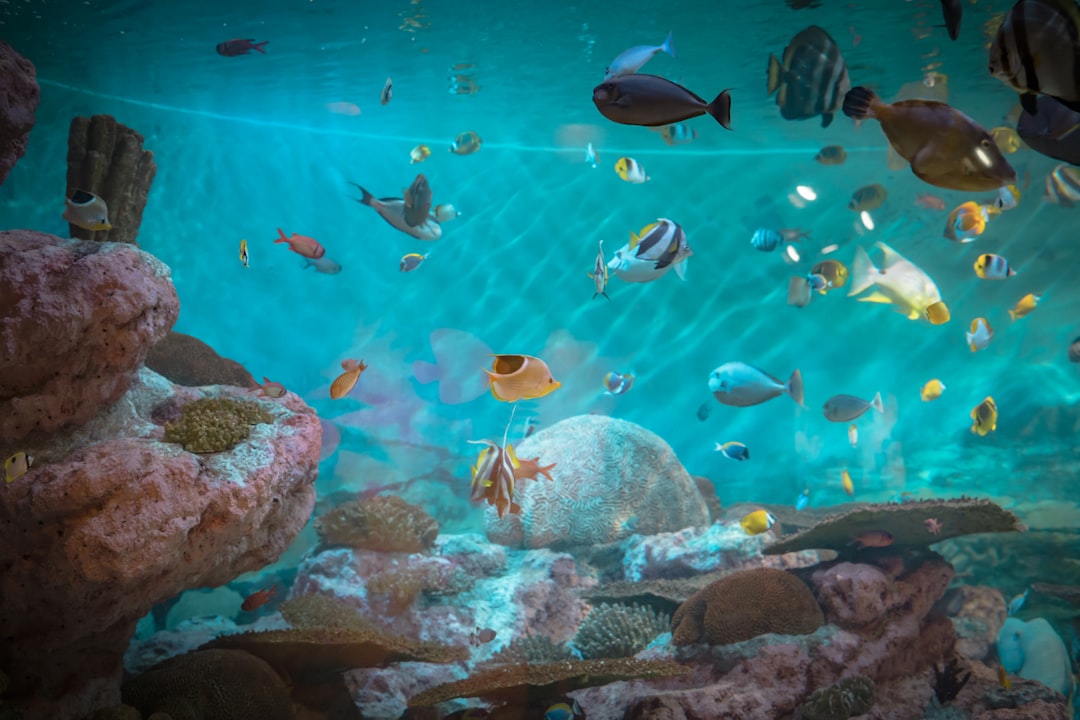
Reef keepers buy Chelmon rostratus for one reason — aiptasia — and then discover the fish they just paid $70 for refuses to eat anything else either. This copperband butterflyfish care guide from Gensou Aquascaping in Singapore is built from years of watching this species thrive or starve in equal measure. A well-acclimated copperband is one of the most elegant fish in the marine hobby; a poorly selected one is a slow-motion tragedy. The difference is almost always in the first ten days.
Quick Facts
- Adult size: 18-20 cm
- Minimum tank: 400 litres, 500+ preferred for long term
- Temperature: 24-26 °C, salinity 1.024-1.026, pH 8.1-8.4
- Diet: aiptasia, tubeworms, mysis once converted
- Reef compatibility: generally reef safe, occasional interest in feather dusters and clam mantles
- Expected lifespan: 5-7 years when stabilised
- Typical SG price: $60-85 depending on size and condition
Selecting a Healthy Copperband
Most copperbands fail before they reach your tank. Look for a specimen at least 10 cm long — smaller fish rarely adapt. The belly should be rounded between the pectorals, not concave. Fins held erect, eyes clear, and no redness around the snout. Ask to see it feed before purchase; a shop that refuses is telling you something. The best local source for conditioned specimens is still the cluster of marine stockists around Pasir Ris Farmway and a few dedicated Thomson shops that pre-quarantine for 14 days.
Tank Setup and Water Chemistry
A copperband wants peace, horizontal swimming space, and mature rock. We recommend a display of at least 120 cm length so the fish can establish a patrol route. Keep flow moderate — this is not a surgeonfish. Temperature stability matters more than the exact value; drift of more than 1 °C in a day provokes stress shedding. Nitrate under 10 ppm, phosphate under 0.05 ppm. Copperbands are sensitive to dissolved organics, so an oversized skimmer and weekly 10% water changes pay dividends.
Aiptasia Control Expectations
A copperband is a biological aiptasia control, not a guaranteed one. Some individuals eat every polyp in sight within a fortnight; others ignore them entirely. The probability is higher when the fish is hungry but not starving — a well-fed copperband loses interest. If your aiptasia problem is dense enough to matter, combine the fish with peppermint shrimp and spot treatment using Aiptasia-X on the larger colonies. Do not rely on the copperband alone for a heavy infestation, and never buy one purely for pest control if you are not prepared to keep it for life.
Breaking the Hunger Strike
The single most reliable first food is live aiptasia — if you have them, introduce the fish directly into the display after acclimation and watch. If not, try a split mussel wedged in the rockwork. Many specimens that ignore mysis for a week will strip a mussel in minutes. Once feeding, smear frozen mysis onto the mussel shell, then onto bare rock, then free in the water column. The transition usually takes two weeks. Live black worms work for stubborn cases.
Feed four times a day minimum for the first month. Thin frequent meals mirror the fish’s natural grazing pattern far better than one large feeding.
Long Term Diet
Mature copperbands eat mysis, enriched brine, chopped clam, small pieces of prawn, and some accept pellets after months of conditioning. Nutramar Ova and LRS Reef Frenzy are both well received. Keep feeding at least three times daily for life; this species does not store fat well and declines quickly on a twice-a-day schedule that suits other marine fish.
Tankmates and Compatibility
Copperbands are timid. House them with calm species — gobies, small wrasses, firefish, chromis, and most clownfish. Avoid aggressive tangs, damsels, triggers, and larger angelfish that will bully them off food. One copperband per tank unless you have a genuinely large system with distinct territories.
Common Problems in Singapore Tanks
Temperature swings from chiller failure are the single biggest killer. Our ambient 30-32 °C will cook a copperband within hours if the chiller stops. Invest in a backup fan on a thermostat and a temperature alarm. HLLE (head and lateral line erosion) appears on copperbands fed a monotonous diet — rotate foods, dose Selcon twice weekly, and use a refugium for grazing.
Related Reading



