
Crinoid Feather Star Aquarium Care: Filter Feeders
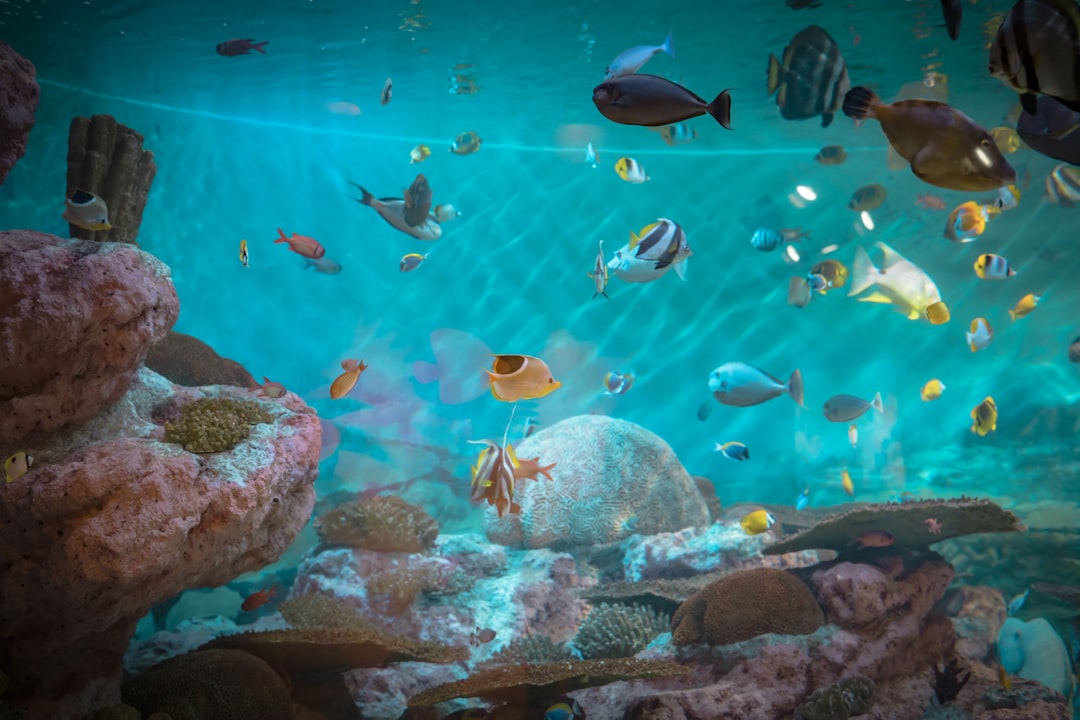
A crinoid is a living fossil with arms that unfurl like a slow firework at lights-out — and almost every one sold in the aquarium trade is dead within three months. This crinoid feather star aquarium care guide from Gensou Aquascaping in Singapore is another honest-assessment piece. We cover what crinoids actually eat, why standard reef feeding does not reach them, and the narrow set of conditions under which a feather star can be kept successfully. The short answer is: almost nobody is set up for this.
Quick Facts
- Common genera traded: Himerometra, Oxycomanthus, Comanthina
- Arm span: 15-35 cm depending on species
- Diet: suspended phytoplankton and particulate organic matter, 30-120 micron particles
- Feeding frequency needed: near-continuous, practically requires dosing pump
- Typical survival in reef tanks: 4-12 weeks, then slow decline
- Temperature: 24-26 °C, salinity 1.025, alkalinity 8-9 dKH
- Realistic success rate: under 5% past six months
Why Crinoids Starve in Reef Tanks
Crinoids are passive suspension feeders. They unfurl feathery arms at dusk and capture particles in the 30-120 micron range carried past them by current. A normal reef tank, even a well-fed one, does not maintain that particle density for more than minutes after a broadcast feeding. Without constant food, a crinoid catabolises its own tissue, drops arms, and wastes over weeks. It looks outwardly normal almost to the end, which is why hobbyists think they are succeeding until they are suddenly failing.
What Crinoids Actually Need
A feeding regime that works requires continuous or near-continuous delivery of live phytoplankton and fine particulates. We recommend a dosing pump delivering 10-20 ml of live Nannochloropsis and Isochrysis per 100 litres every hour, around the clock, with supplementary reef roids or oyster feast pulses at lights-out. This regime is not optional — reducing feed frequency kills the animal. It also tanks phosphate management unless the tank is enormous or unusually well-filtered.
Tank volume of 400 litres minimum gives enough dilution to make continuous feeding viable. A refugium stuffed with chaetomorpha and operating on a reverse light cycle helps consume residual phosphate.
Placement and Flow
Crinoids need moderate, multi-directional flow — enough to carry particles past the arms but not so strong that they tumble. They actively climb rockwork to find the flow profile they prefer. Do not superglue them down. They will detach if unhappy and can re-attach themselves to more than twenty pedal cirri. Leave flat rock surfaces near mid-tank flow where they can settle naturally.
Crinoids are also known to snag passing fish if the fish is small and clumsy. Keep tankmates large enough to avoid entanglement.
Tankmates to Avoid
Wrasses, shrimp (especially peppermint and coral banded), and many crabs will pick at crinoid arms. A crinoid missing arm tips regenerates slowly but loses feeding surface with each nip. Reef-safe fish that leave crinoids alone include small gobies, basslets, firefish, and most tangs. Butterflyfish, angelfish, and most triggers are immediate threats.
Acclimation
Drip acclimate over three hours. Crinoids are extremely sensitive to salinity and pH mismatch. During acclimation their arms remain curled; this is normal. Transfer the animal by gently cupping under the central disc — never pull on arms, which will detach and not regrow fully. Place in a low-flow area initially and let the crinoid migrate to its preferred spot over the first 48 hours.
Signs of Decline
Arm-dropping is the clearest early sign. A healthy crinoid may autotomise one or two arms under sudden stress, but continuous shedding means starvation. The central disc shrinks over weeks. Colour fades on many species. Once disc size has dropped noticeably, the animal is unlikely to recover even if feeding improves. Act early or not at all.
Who Can Keep a Crinoid Successfully
Realistically, hobbyists running dedicated filter-feeder-focused tanks with continuous phytoplankton dosing, stable parameters, and no predatory tankmates. We have seen long-term success in two or three private tanks in Singapore, each built specifically around non-photosynthetic corals and filter feeders. None of them were casual reef tanks with a crinoid added as an afterthought.
If your tank is not already a non-photosynthetic system with dosed feeds, do not buy a crinoid. No amount of spot-feeding with a turkey baster will replace continuous delivery.
Sourcing and Price Context
Feather stars appear periodically in Pasir Ris marine shops at $40-90 depending on size and colour. The low price relative to the difficulty is part of the problem — a $20 dwarf angel gets researched, a $60 crinoid gets impulse-bought. Ask yourself before purchase whether your tank already supports tridacnid clams, gorgonians, or dendronephthya without supplementation. If not, the crinoid will starve no matter what you do.
Related Reading



