
Cryptocoryne Wendtii Brown vs Green: Which Suits Your Tank?
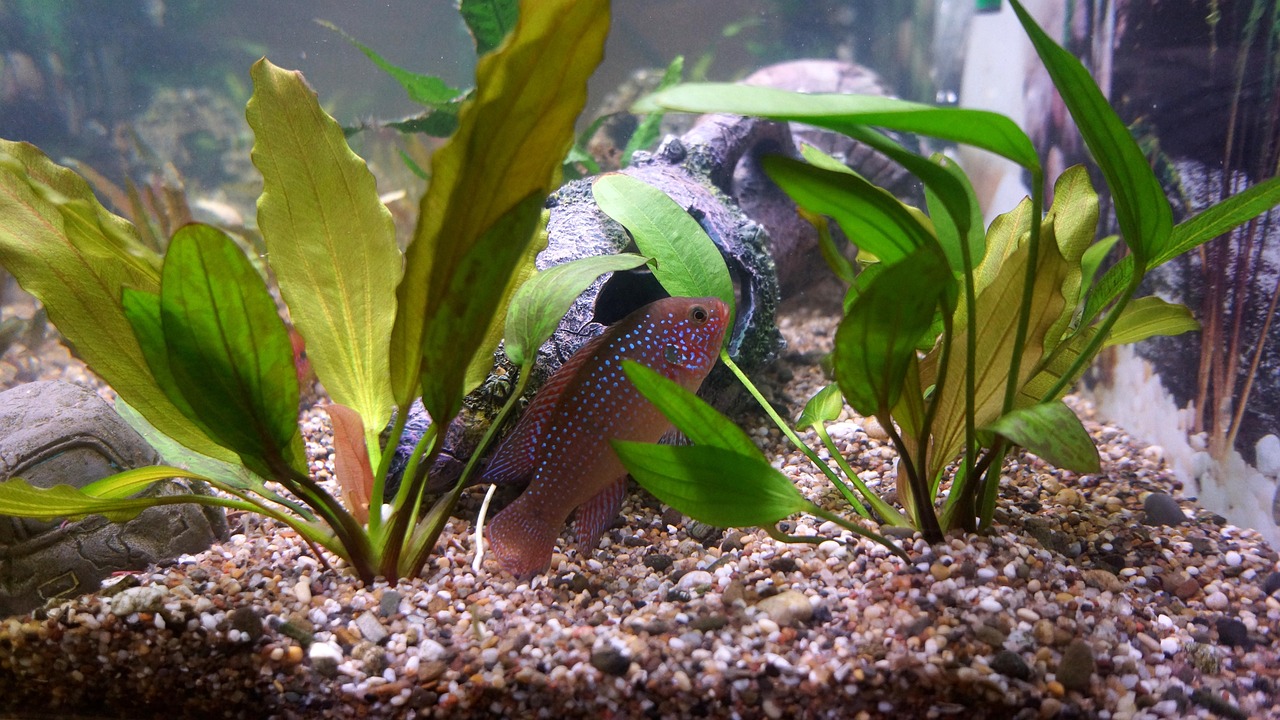
Among the most dependable aquarium plants available in Singapore, Cryptocoryne wendtii comes in a range of colour variants that confuse even experienced aquarists at the point of purchase. The two most commonly sold are simply labelled “Brown” and “Green” — but the difference between them goes beyond colour and affects how each fits into a tank layout. This guide on cryptocoryne wendtii brown vs green from Gensou Aquascaping at 5 Everton Park, Singapore explains the practical distinctions and helps you choose based on your tank design, lighting, and goals.
Are They Actually Different Plants?
Cryptocoryne wendtii is a highly variable species native to Sri Lanka, and the Brown and Green varieties represent two ends of a colour spectrum that many intermediary forms fall between. Both are the same species — the colour difference is primarily genetic but can be strongly influenced by light intensity, nutrient levels, and even the specific substrate batch used. This variability means plants sold as “Brown” may show green under low light, and “Green” specimens can develop brownish-red tones under intense illumination. Understanding this helps manage expectations after purchase.
Cryptocoryne Wendtii Green: Appearance and Growth
The Green variety maintains a fresh mid-green on both the upper and lower leaf surfaces under most lighting conditions. Leaves are long and wavy-edged, reaching 15–25 cm in a mature specimen. It tends toward a slightly faster growth rate than the Brown, particularly in nutrient-rich aqua soil substrates. The upright, open leaf structure of the Green variety catches light efficiently, making it one of the better Cryptocoryne choices for tanks with moderate lighting — around 20–40 PAR at the substrate level.
Cryptocoryne Wendtii Brown: Appearance and Growth
The Brown variety develops a rich bronze-brown to reddish-brown upper leaf surface with a distinctive hammered or bullate texture — a raised, bumpy surface pattern more pronounced than in the Green variety. The underside is typically pinkish-red. Under high light with iron supplementation, this colour deepens dramatically, producing leaves that approach dark burgundy. Growth rate is similar to the Green, though the Brown can appear to grow more slowly because individual leaves are often broader and shorter, giving a different visual impression despite similar biomass production.
Lighting and Colour Influence
Both varieties respond to light intensity in the same direction: more light shifts colour toward red and brown tones; less light shifts it toward green. A Brown variety in a very low-light tank may lose most of its brown pigmentation. Conversely, a Green variety in a high-light, iron-dosed tank may develop enough warm tones to be indistinguishable from a Brown variety at a casual glance. If colour fidelity matters for your aquascape design, replicate the tank conditions of where you purchased the plant, or allow several months for new growth to stabilise under your specific conditions.
Aquascape Application: Which to Choose?
The Green variety works beautifully as a mid-ground plant in Nature Aquarium-style layouts where the goal is a natural, forest-floor feel — it blends with stem plants and mosses without visually dominating. The Brown variety is more of a statement plant: the textured leaf and warm colouration create contrast against green stem plants and bright carpets. In a tank with a Japanese-inspired layout featuring dark substrate, the Brown variety against bright foreground plants like Monte Carlo creates a striking depth contrast. For pure functionality, both are equally easy — C. wendtii in either form is one of the most beginner-friendly plants available.
Care: What Both Varieties Need
Cryptocoryne wendtii is famously tolerant of low light and low CO2, making either variety appropriate for non-injected setups. Plant in nutrient-rich substrate — standard aqua soil or a pre-fertilised sand mix works well. Root tabs help maintain growth if the substrate is inert. Avoid frequent replanting; Cryptocoryne species resent root disturbance and may melt back temporarily after every move. Once established for two to three months in a stable tank, they are essentially indestructible in Singapore’s conditions. Water parameters of pH 6.0–7.5, GH 4–12, and temperature 24–28°C cover both varieties comfortably.
Crypt Melt: What to Expect When Buying
New purchases often experience “crypt melt” — a rapid die-back of existing leaves as the plant transitions from emersed farm conditions to your submerged aquarium environment. This is normal and not a sign of poor health. Remove the decomposing leaves as they fall and leave the rhizome in place. Both Brown and Green varieties will regrow from healthy roots with leaves adapted to your specific light, water, and temperature conditions within two to four weeks. The new growth is the plant in its permanent aquarium form, and it will be significantly more stable going forward.
Related Reading
- Cryptocoryne Wendtii Red Care Guide: Deep Bronze in Low Light
- Cryptocoryne Wendtii Varieties Compared: Green, Brown, Red and Tropica
- Malachite Green in Aquariums: Treating Ich and Fungus Safely
- Bucephalandra Green Wavy Care Guide: Ruffled Edges on Stone
- Cryptocoryne Albida Care Guide: Narrow Bronze Elegance



