
DIY Pleco Cave Terracotta Build Guide: Pot and Slate Method
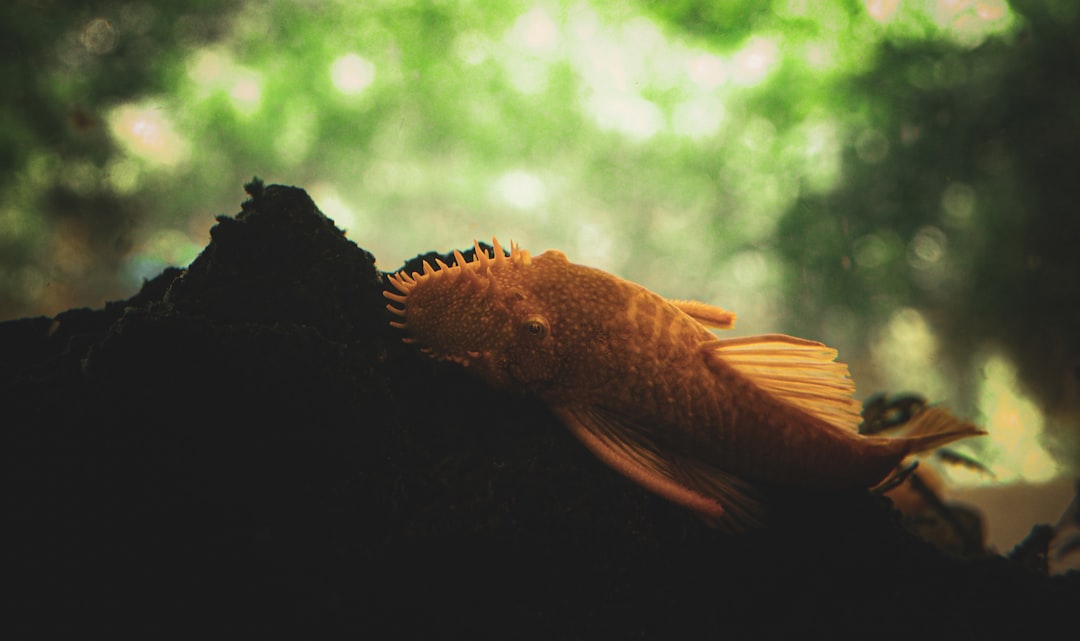
Serious pleco breeders across Singapore swear by terracotta caves over plastic for one reason — the rough clay surface gives males and eggs the grip plastic never will. A diy pleco cave terracotta build runs SGD 6-12 per cave versus SGD 25-40 for commercial breeder caves with comparable dimensions. This diy pleco cave terracotta walkthrough from Gensou Aquascaping at 5 Everton Park covers pot selection, cutting the entrance with a tile saw, capping with slate, and the sand coating that gives the cave the matte, weathered look hypancistrus prefer. Expect a quiet Saturday afternoon of work.
Materials and Singapore Pricing
A 5-7cm internal diameter unglazed terracotta pot from Far East Flora or any garden centre costs SGD 3-5. You also need a small piece of natural slate (SGD 4 from Sungei Road), a tile saw or angle grinder with diamond blade, fine-grained natural sand, food-grade aquarium silicone, and 240-grit sandpaper. Borrow the angle grinder if you do not own one — it gets the entrance cut done in two minutes.
Why Terracotta Beats Plastic for Plecos
Plastic caves are smooth, light and float when waterlogged inflows lift them. Terracotta clings to the substrate, holds eggs against the ceiling thanks to its porous surface, and absorbs minor pH swings without leaching anything. Cave-spawning species like Hypancistrus zebra (L46) and Hemiancistrus subviridis (L200) also accept terracotta faster — the matte finish reads as genuine rock to a fish that evolved in the Rio Xingu.
Step One: Pick the Right Pot Size
Internal diameter must match the species. L46 zebra needs 4-5cm internal width; L260 queen arabesque wants 5-6cm; L134 leopard frog and bristlenose accept 6-7cm. Length should let the male slide in fully with his tail just visible at the entrance — usually 12-15cm is right. Pick a pot with a matching saucer if you can; saucers make excellent additional hides.
Step Two: Cut the Bottom Open
Most terracotta pots have a drainage hole far too small for plecos. Mark a 4-6cm circle on what will become the entrance side, clamp the pot in a vise lined with cloth, and cut with a tile saw or angle grinder. Wear goggles — clay shards fly. Sand the cut edge smooth with 240-grit, working both inside and outside until no fingertip catches.
Step Three: Optional Slate Cap
For species that lay eggs on the cave ceiling, a flat slate cap gives a smoother surface than the curved terracotta interior. Cut a piece of slate to fit the pot mouth, silicone it in place across half the opening, and leave the other half open as the entrance. The slate cap also keeps the cave dim, which encourages males to stay put while fanning eggs.
Step Four: Sand-Coat the Exterior
Bare terracotta orange clashes with most planted scapes. Brush the outer surface with a thin coat of aquarium silicone and immediately roll in fine natural sand or aquasoil dust. Press to embed. After cure, the cave reads as natural river rock instead of garden centre clay. Skip this step on the inner walls — plecos graze biofilm off smooth interiors.
Step Five: Cure and Soak
Silicone needs a full 7-day cure. Park the cave on a wire rack so air reaches every surface. After cure, soak in dechlorinated water for 72 hours, replacing the water once at the 36-hour mark. This pulls out any kiln residue and confirms the silicone is fully cured. A whiff of vinegar means it needs longer.
Step Six: Position in the Tank
Place the cave with the entrance facing low to moderate flow — plecos pick caves where current keeps eggs oxygenated. Tuck it under driftwood from the decoration and substrate range for visual cover, but leave the entrance unobstructed. For breeders, install at least three caves so females can choose the male they prefer without forcing pairings. Pair with high-protein feeds from the freshwater fish food range at Gensou.
Maintenance and Replacement
Biofilm and detritus build inside used breeding caves and that is fine — male plecos use the gunge to glue eggs in place. Pull the cave only after a successful spawn for a gentle rinse in old tank water. Avoid scrubbing the interior. Terracotta lasts five-plus years before clay becomes brittle from constant immersion. Buy two spares and rotate. Pleco-specific tools and breeding supplies sit on the aquarium tanks and cabinets section shelf at Gensou.
Related Reading



