
Hammer Coral Care Guide: Euphyllia Ancora Flow and Feeding
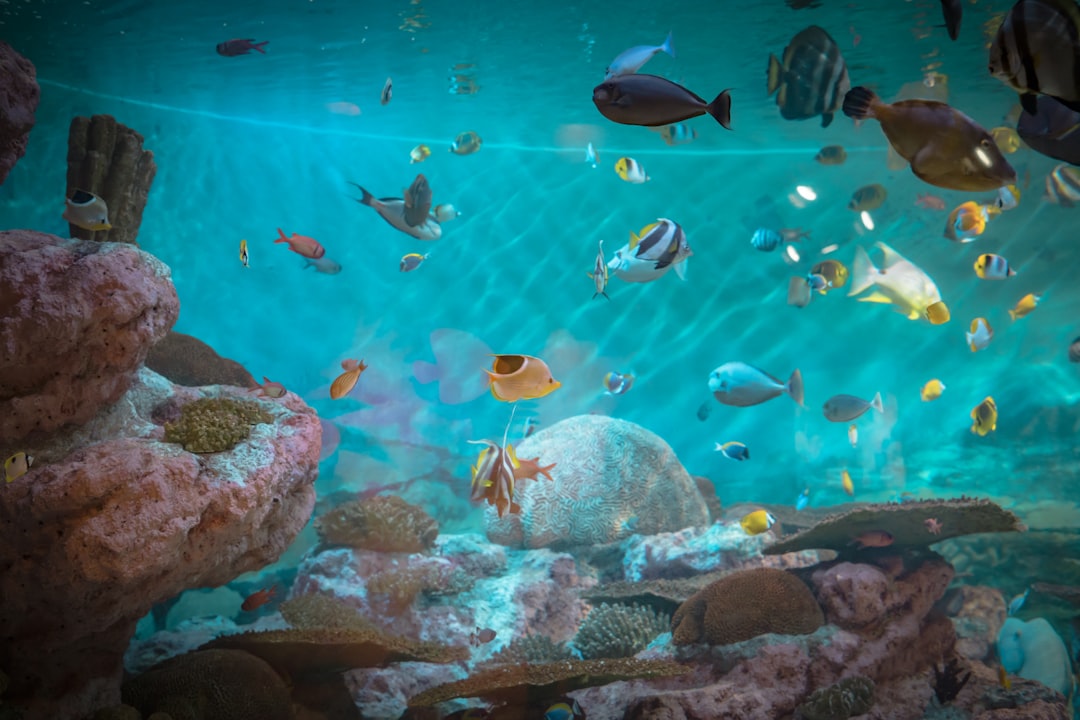
Few corals command attention quite like the hammer coral, and if you have been eyeing one at your local fish shop, you are not alone. A proper hammer coral Euphyllia ancora care guide is essential before you bring this large polyp stony coral home, because placement and flow can make or break your success. Here at Gensou Aquascaping Singapore, we have helped countless hobbyists keep thriving Euphyllia colonies in tanks of every size. With the right parameters and a little patience, Euphyllia ancora rewards you with mesmerising tentacle movement that becomes the centrepiece of any reef.
Species Overview and Varieties
Euphyllia ancora belongs to the family Euphylliidae and is commonly known as the hammer coral or anchor coral, named after the T-shaped tips of its tentacles. Colonies can be branching or wall-type, with branching varieties being easier to frag and more forgiving of minor flow inconsistencies. Colour morphs range from green and gold to more sought-after varieties like orange, purple-tipped and the coveted holy grail hammer, which can fetch upwards of $200 per head in Singapore.
Tank Placement and Flow
Getting flow right is arguably the single most important factor in hammer coral Euphyllia ancora care. These corals prefer low to moderate, indirect flow that allows their tentacles to sway gently without folding over or retracting. Aim for roughly 20 to 40 times turnover, but position the coral so it sits out of direct powerhead blast. A spot in the lower to middle third of your aquascape, slightly shielded by rockwork, usually works well.
Avoid placing hammer corals within stinging distance of other Euphyllia species or aggressive LPS like galaxea. While hammers can coexist with torch and frogspawn corals in some tanks, each colony has a temperament of its own, so allow at least 15 cm of space when starting out.
Lighting Requirements
Hammer corals are not demanding when it comes to light. A PAR range of 80 to 150 is ideal for most systems, making them well suited to the mid-level placement already recommended for flow. Under LED fixtures common in Singapore — brands like AI Prime, Kessil and Maxspect — start at a conservative intensity and ramp up over two to three weeks. Excessive light causes bleaching, while too little leads to recession at the base of the skeleton.
Water Parameters
Stable water chemistry matters more than hitting a perfect number. For Euphyllia ancora, target salinity at 1.025 specific gravity, alkalinity between 7.5 and 9.0 dKH, calcium at 400 to 440 ppm and magnesium at 1,250 to 1,350 ppm. Temperature in Singapore reef tanks typically sits at 25 to 27 °C with a chiller, which suits hammers perfectly. Nitrate between 2 and 10 ppm and phosphate around 0.03 to 0.08 ppm provide enough nutrients without fuelling nuisance algae.
Feeding for Faster Growth
Hammer corals gain most of their energy from photosynthesis through their zooxanthellae, but supplemental feeding noticeably boosts growth and colour. Target-feed each head once or twice a week with small meaty foods — mysis shrimp, reef roids or finely chopped prawn. Broadcast feeding with amino acids and phytoplankton also benefits the colony. Switch off your wavemaker briefly during target feeding so the food lands on the tentacles rather than drifting away.
Common Problems and Solutions
Brown jelly disease is the most feared issue with Euphyllia. It manifests as a brown, mucus-like substance spreading over the tissue and can kill a colony within days. Isolate the affected head immediately, perform a brief iodine dip and ensure your alkalinity has not swung more than 1 dKH within 24 hours. Rapid alkalinity fluctuations are a leading trigger for tissue recession in hammer corals.
Bubble algae, flatworms and Aiptasia can also pester hammer colonies. Regular coral dipping before adding new frags to your display tank is a simple preventive measure that saves heartache down the line.
Fragging Hammer Coral
Branching hammers are among the easiest LPS to frag. Use bone cutters to snip individual branches at the base, then mount each frag on a ceramic plug with reef-safe epoxy or super glue gel. Allow frags to recover in moderate flow and reduced light for a week before moving them to their permanent spot. Many Singapore reefers sell or trade hammer frags on Carousell, making this a rewarding coral to propagate at home.
Related Reading
Explore more Euphyllia and reef care guides from Gensou Aquascaping Singapore:



