
How to Breed Sterbai Corydoras: T-Position Spawning and Egg Care
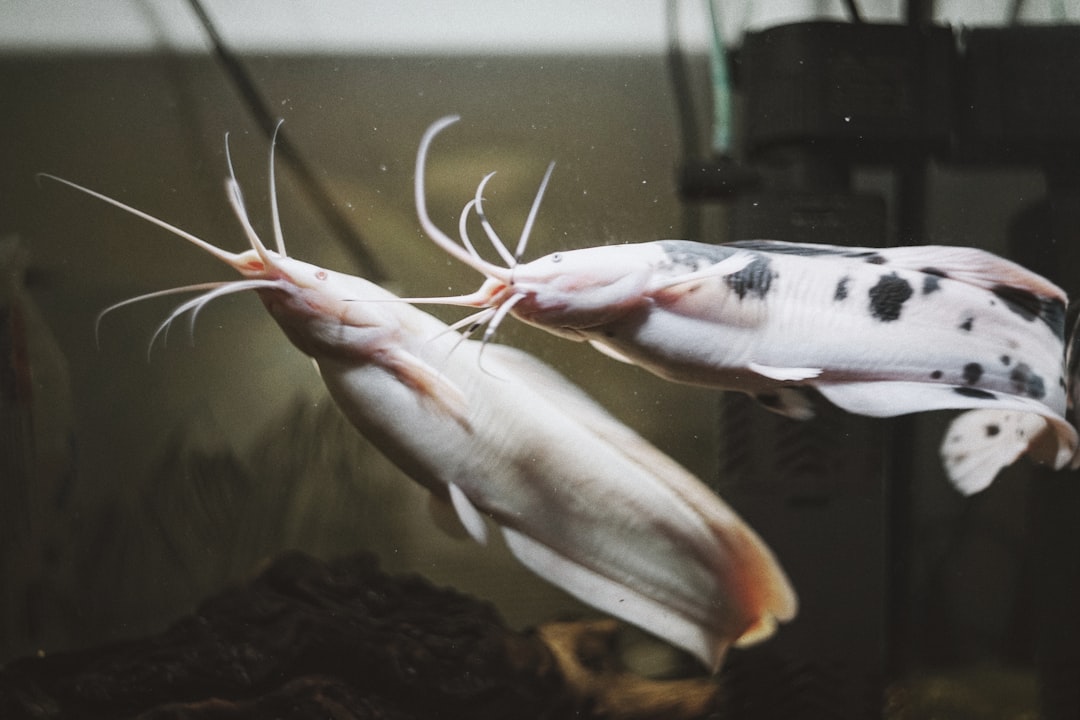
Sterbai corydoras (Corydoras sterbai) rank among the most popular and attractive catfish in the hobby, with their striking white spots on a dark body and vivid orange pectoral fins. Learning how to breed sterbai corydoras is more achievable than many hobbyists assume, provided you replicate the right environmental triggers. At Gensou Aquascaping, 5 Everton Park, Singapore, we have spawned this species repeatedly and share a proven approach that works in our tropical conditions.
Conditioning the Breeding Group
Corydoras breed best in groups rather than isolated pairs. Start with at least six adults, ideally with a ratio of two males to every female. Males are slimmer when viewed from above, while gravid females appear noticeably rounder. Condition the group for two to three weeks on a protein-rich diet of frozen bloodworms, live blackworms, and sinking pellets. Feed generously twice daily. Well-conditioned females develop a distinctly plump belly as eggs mature. Healthy adults cost $8-15 SGD each in Singapore, and sourcing tank-bred specimens improves your odds of successful spawning.
Spawning Tank Setup
A bare-bottom 60-litre tank simplifies egg collection and hygiene. Add a single sponge filter for gentle filtration, a few smooth river stones, and several broad-leaved plants like Anubias barteri or java fern tied to driftwood. Corydoras deposit eggs on hard surfaces, so include the glass walls themselves as potential sites. Keep the tank in a quiet location with dim lighting. Bare-bottom tanks also make it easier to spot the small, adhesive eggs once spawning occurs.
Triggering Spawning
In the wild, corydoras spawn at the onset of the rainy season when cool, fresh water floods their habitat. Simulate this by performing a large 50-70 percent water change with water 3-4 degrees Celsius cooler than the tank temperature. In Singapore, chilling replacement water to 22-23 degrees Celsius before adding it to a tank at 26 degrees Celsius creates the necessary temperature drop. Simultaneously, lower the water level by a few centimetres and increase aeration. Spawning typically begins within 12-24 hours of the trigger, often in the early morning.
The T-Position Mating Ritual
Corydoras mating is unmistakable. The female approaches a male and positions herself perpendicular to his body, forming a characteristic T-shape with her mouth near his ventral area. She collects milt in her mouth and simultaneously releases two to four eggs into a pouch formed by her pelvic fins. She then swims to a chosen surface, cleans it, and attaches the eggs with adhesive mucus. This process repeats over several hours, with the female visiting multiple males and depositing 80-200 eggs across the glass, plant leaves, and filter surfaces.
Egg Collection and Incubation
Remove the adults after spawning concludes to prevent egg predation. Alternatively, gently roll eggs off the glass using a finger or razor blade and transfer them to a separate hatching container with matching water parameters. Add a few drops of methylene blue to prevent fungus, maintaining a light blue tint. Moderate aeration near the eggs keeps water circulating without dislodging them. Fertile eggs appear tan and firm. White, fuzzy eggs are infertile and should be removed promptly to prevent fungus from spreading. Hatching takes four to five days at 25-26 degrees Celsius.
Raising the Fry
Newly hatched sterbai fry absorb their yolk sac over two to three days before becoming free-swimming. First foods should be micro-fine: powdered spirulina, commercial fry food, or freshly hatched baby brine shrimp. Feed small amounts three to four times daily and siphon waste carefully with airline tubing to avoid sucking up fry. Perform 10-15 percent daily water changes with temperature-matched, dechlorinated water. Growth is steady; fry develop their distinctive spotted pattern by four weeks and reach 2 cm by eight weeks. Maintain scrupulously clean conditions, as young corydoras are susceptible to bacterial infections in dirty water.
Common Breeding Challenges
Egg fungus is the biggest obstacle. High humidity and warm temperatures in Singapore accelerate fungal growth on infertile eggs, which then spreads to viable ones. Removing bad eggs immediately and maintaining gentle water flow around the clutch mitigates this. Another common issue is adults eating their own eggs. Spawning them in a tank with dense plant cover or using a mesh breeding trap gives eggs a better chance of survival. If your group refuses to spawn despite conditioning, try varying the trigger: a barometric pressure drop before a thunderstorm often coincides with successful breeding in our experience.
Related Reading
- How to Breed Corydoras Sterbai: Sticky Eggs and Cool Water Triggers
- How to Breed Amano Shrimp: The Brackish Water Challenge
- How to Breed Angelfish: Pairing, Spawning and Raising Fry
- How to Breed Aphyosemion Killifish: Non-Annual Egg Layers in Planted Tanks
- How to Breed Bristlenose Plecos: Cave Spawning and Fry Care



