
How to Protect Your Outdoor Pond From Birds and Cats
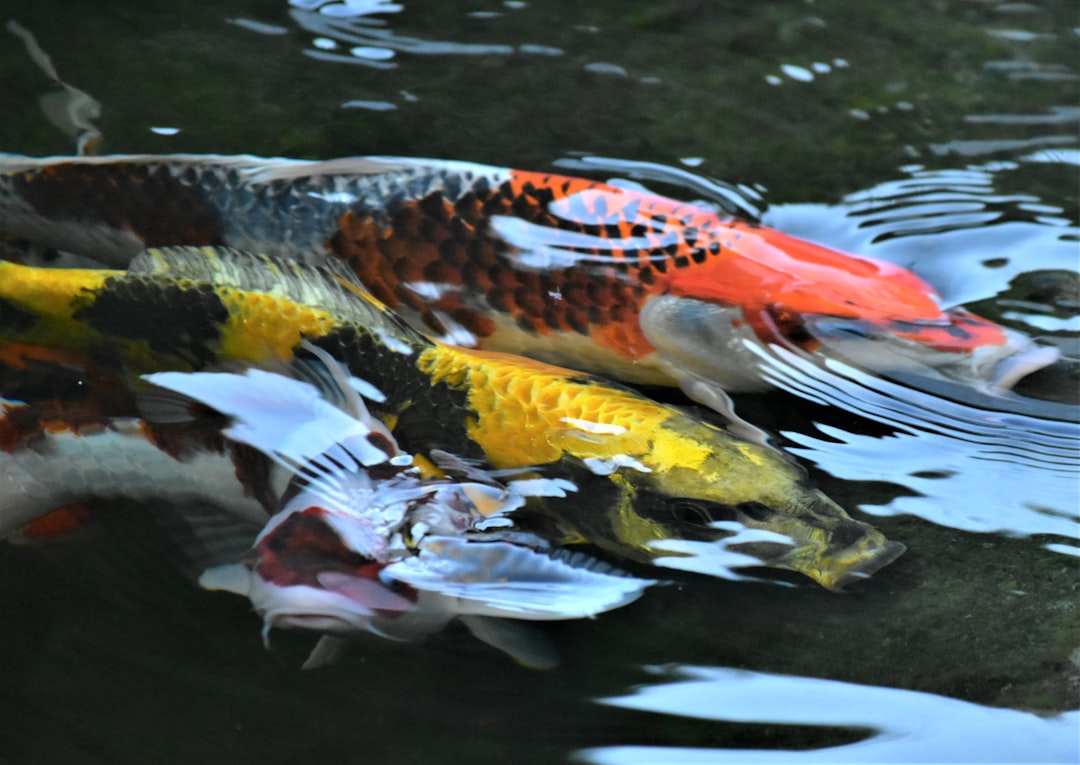
Nothing is more frustrating than waking up to find your prized koi missing or injured. Herons, mynahs, kingfishers and neighbourhood cats all target garden ponds, and in Singapore’s urban-wild interface these predators are a genuine daily threat. This protect outdoor pond birds cats guide covers proven deterrents and pond-design features that keep your fish safe without turning your garden into a fortress. At Gensou Aquascaping Singapore, predator-proofing is a standard part of every pond build we deliver across the island.
Know Your Predators
The grey heron is the most common pond raider in Singapore — these large wading birds visit gardens at dawn and dusk, standing motionless before striking. White-throated kingfishers target smaller fish from overhanging branches. Stray and pet cats patrol landed estates and ground-floor condo gardens, swiping at fish near the pond edge. Mynahs and crows occasionally pick off small fry in shallow water. Understanding the predator’s hunting method dictates which deterrent works best.
Pond Netting
A taut net stretched 15–20 cm above the water surface is the most reliable physical barrier. Use UV-stabilised polyethylene netting with a mesh size of 3–4 cm — small enough to stop herons but large enough to let debris fall through for easy removal. Secure the edges with tent pegs or heavy stones. Black netting is nearly invisible from a distance and does not spoil the pond’s appearance. Expect to pay $20–$50 for enough netting to cover a 3 x 2 metre pond, available at local hardware stores or Lazada.
Decoys and Deterrents
A plastic heron decoy placed beside the pond works on the principle that herons are territorial and avoid occupied feeding grounds. Move the decoy every few days — a static decoy quickly becomes ignored. Reflective tape, spinning pinwheels and motion-activated sprinklers also deter birds, though their effectiveness varies. In Singapore’s landed estates, motion-activated ultrasonic deterrents are popular because they are silent to humans and cover a wide arc.
Pond Design Features That Deter Predators
Depth is your first line of defence. A pond that is at least 60 cm deep, with steep vertical walls, prevents cats from reaching the water and forces herons to wade rather than strike from the bank. Overhanging rock ledges, submerged pipe shelters and dense marginal planting give fish hiding spots where predators cannot follow.
Avoid shallow beach-style entry slopes — they are beautiful but provide easy access for wading birds and cats. If you want a planted shelf, keep it less than 15 cm wide and surrounded by deeper water so fish can retreat quickly.
Cat-Proofing Strategies
Cats hunt by swiping from the pond edge. A raised pond wall of 45–60 cm makes it harder for cats to reach the water. Chicken wire or pebble strips around the pond perimeter deter cats from approaching, as they dislike walking on unstable or prickly surfaces. Citrus peel scattered near the pond edge is a low-cost, non-toxic cat repellent that needs refreshing weekly.
For ground-level ponds in landed homes, a low bamboo fence or border hedge creates a buffer zone. Keep nearby trees trimmed so cats cannot launch themselves directly over the water from an elevated branch.
Overnight and Dawn Protection
Most predator attacks in Singapore happen between 5.30 am and 7.30 am, when herons are most active and residents are still asleep. A permanent net or a motion-activated sprinkler provides passive protection during these vulnerable hours. If netting is impractical, a pond light on a timer that switches on at 5 am can startle nocturnal visitors and discourage early-morning herons.
Balancing Aesthetics and Security
The best predator deterrents are the ones you actually use. Heavy-duty netting works perfectly but may clash with a carefully landscaped garden. Compromise solutions — submerged fish shelters, raised walls, subtle black netting and well-placed plants — protect your fish without compromising the visual appeal that makes a pond worth having. At Gensou Aquascaping, we integrate these protect outdoor pond measures into the design phase so they feel like natural features rather than afterthoughts.
Related Reading
Koi Fish Care Guide: Pond and Tank
How to Build a Garden Pond in Singapore
Best Pond Fish for Singapore: Species That Handle Tropical Heat