
How to Treat Skin Flukes in Freshwater Fish
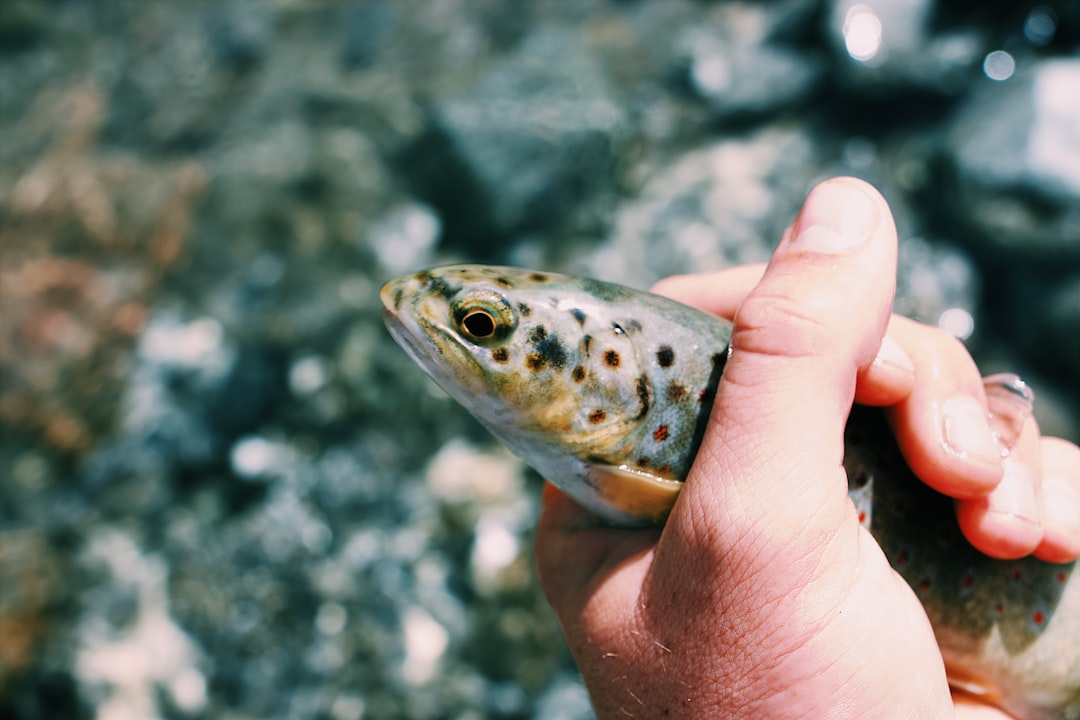
Skin flukes are among the most under-diagnosed parasites in freshwater aquariums, yet they cause persistent flashing, clamped fins and mucus overproduction that slowly weakens otherwise healthy fish. This treat skin flukes freshwater fish guide from Gensou Aquascaping at 5 Everton Park, Singapore, walks you through identification, medication and long-term prevention. Catching flukes early makes the difference between a quick cure and a tank-wide crisis.
What Are Skin Flukes?
Gyrodactylus and Dactylogyrus are the two genera responsible for most freshwater fluke infections. Gyrodactylus (skin flukes) are viviparous — they give live birth directly on the host, which means populations can explode without ever leaving the fish. Dactylogyrus (gill flukes) lay eggs that settle in substrate. Both are monogenean trematodes, visible under a microscope at 40x magnification as flat, elongated worms about 0.5-1 mm long with a distinctive opisthaptor (hooking disc) at the rear.
Recognising the Symptoms
Flashing — fish rubbing against rocks, wood or substrate — is the earliest and most reliable sign. You may also notice a greyish mucus film over the body, reddened patches where hooks have damaged the epithelium, and fins held tight against the body. Heavily infested fish become lethargic and lose appetite. In advanced cases, secondary bacterial infections set in at wound sites, producing white or fuzzy lesions that are often mistaken for fungus.
Gill flukes cause rapid opercular movement and gasping at the surface. If multiple fish show these signs simultaneously, flukes are a strong suspect — more so than water quality issues, which tend to affect species unevenly.
Confirming the Diagnosis
A skin scrape under a basic microscope gives a definitive answer. Gently scrape a glass slide along the fish’s flank (from head to tail), place a drop of tank water on the sample, and cover with a slip. At 40-100x magnification, flukes are unmistakable — their hooked attachment organ and undulating movement are unlike anything else. If you lack a microscope, many local fish shops along Serangoon North Avenue 1 can examine a scrape for you.
Medication Protocols
Praziquantel is the treatment of choice for skin flukes. Dose at 2.5 mg per litre for a bath treatment lasting 24 hours, or use a commercial formulation like PraziPro following label directions. A single dose kills adult flukes but not eggs, so a second treatment at day seven is essential to catch newly hatched larvae. For stubborn infestations, a third dose at day fourteen ensures complete eradication.
Formalin-malachite green combinations also work but are harsher on fish and plants. Reserve these for cases where praziquantel is unavailable. Dose formalin at 25 ppm for 30 minutes as a short bath in a hospital tank — never in the main display with invertebrates. Always increase aeration during any chemical treatment, as medications reduce dissolved oxygen.
Treating the Whole Tank
Because Gyrodactylus transfers between fish through direct contact, treating only symptomatic individuals is insufficient. Dose the entire tank with praziquantel. Remove activated carbon from your filter first, as it adsorbs the medication. Shrimp and snails tolerate praziquantel well at standard doses, making it safe for most community setups. Maintain normal feeding during treatment — healthy immune function helps fish recover faster.
Prevention and Quarantine
New fish are the primary vector. A two-week quarantine with prophylactic praziquantel at day one and day seven eliminates flukes before they reach your display tank. Singapore’s warm ambient temperatures of 28-30 °C accelerate parasite life cycles, meaning infections progress faster here than in temperate climates. Quarantine is not optional — it is your first line of defence.
Maintaining good water quality suppresses fluke populations even if a few parasites slip through. Weekly 25% water changes using dechlorinated PUB tap water, adequate filtration rated for your tank volume, and avoiding overcrowding all reduce stress that makes fish vulnerable to parasitic overload.
Recovery and Monitoring
After completing the treatment cycle, watch for flashing behaviour over the next two weeks. Flukes leave epithelial damage that takes 7-10 days to heal fully. Adding Indian almond leaf extract or a mild dose of aquarium salt (1 g per litre) supports mucus membrane recovery. If symptoms recur after three weeks, repeat the praziquantel protocol — persistent cases sometimes require a third full cycle to clear completely.
Related Reading



