
Indian Whisker Shrimp Care Guide: Macrobrachium Basics
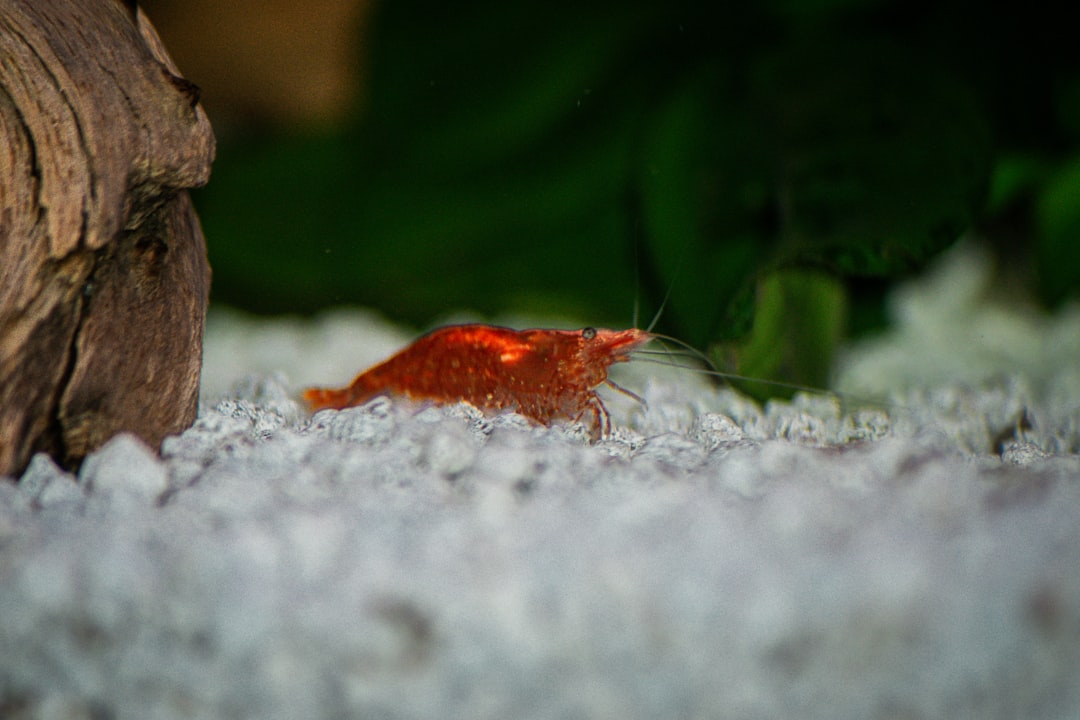
Sold cheaply in many local fish shops, the Indian whisker shrimp is often bought on impulse — and sometimes regretted just as quickly. This Indian whisker shrimp care guide from Gensou Aquascaping Singapore, with over 20 years of hands-on experience at 5 Everton Park, covers the realities of keeping Macrobrachium lamarrei so you know exactly what to expect before adding them to your tank.
Species Profile
Macrobrachium lamarrei belongs to the prawn family Palaemonidae, distinct from the dwarf shrimp most hobbyists keep. Adults reach 5–7 cm, with males developing noticeably larger claws than females. Their bodies are mostly translucent with faint blue or brown markings — not as colourful as Neocaridina, but their size and active behaviour make them visually interesting in their own right.
The species is native to freshwater rivers and ponds across South and Southeast Asia. In Singapore, they are frequently imported as feeder shrimp and sold for under $1 each, making them one of the most affordable crustaceans available.
Tank Requirements
A 40-litre tank is the minimum for a small group of four to six whisker shrimp. They are active foragers that claim territories around hiding spots — caves, PVC pipes, coconut shells, or driftwood crevices. Provide at least one hiding spot per shrimp to reduce aggression. Substrate is not critical; sand or fine gravel works well for their scavenging behaviour.
Filtration should be moderate. A hang-on-back filter or internal filter with a sponge pre-filter handles the bioload comfortably. Whisker shrimp tolerate a wider flow range than dwarf shrimp, so you have more flexibility with equipment choices.
Water Parameters
Indian whisker shrimp are remarkably adaptable — pH 6.5–8.0, GH 4–15, temperature 22–30 °C. Singapore’s PUB tap water suits them perfectly after basic dechloramination. They handle parameter fluctuations better than any Caridina species, which partly explains their success in the wild across diverse habitats.
Weekly 20–25 % water changes with a reliable water conditioner keep them healthy. Nitrate tolerance is higher than in dwarf shrimp, but levels above 40 ppm still cause stress over time.
Temperament: The Critical Warning
Here is what catches many beginners off guard. Macrobrachium species are semi-aggressive, especially at night. Whisker shrimp actively hunt small fish, catch sleeping nano species off perches, and will kill and eat dwarf shrimp — Neocaridina, Caridina, and even juvenile Amano shrimp are all potential targets.
They also fight among themselves. Males spar over territory, and subordinate individuals can lose limbs in disputes. Overcrowding without adequate hiding spots escalates aggression quickly. If you keep whisker shrimp, treat them as predators in the micro-community, not peaceful cleaners.
Feeding
Omnivores with a carnivorous lean, whisker shrimp eat almost anything: sinking pellets, algae wafers, blanched vegetables, frozen bloodworm, and deceased tank mates. Their willingness to scavenge makes them effective cleaners in a tank with robust mid-sized fish — but that same appetite drives the predatory behaviour toward smaller inhabitants.
Feed once daily, offering enough that each shrimp can claim a portion without excessive competition. Protein-rich foods like shrimp pellets or frozen brine shrimp keep them satisfied and may reduce predatory foraging — though it never eliminates it entirely.
Suitable Tank Mates
Keep Indian whisker shrimp with fish too large and fast to be caught — adult guppies, platies, mollies, and medium-sized barbs work reasonably well. Avoid housing them with any fish small enough to be grabbed, including neon tetras, endlers, and certainly any dwarf rasbora. Snails are generally safe, though very small specimens may be harassed.
A species-only setup is the most stress-free approach. A group of six in a 60-litre tank with plenty of hardscape showcases their natural behaviour — territorial posturing, scavenging, and occasional sparring — without risking losses among other livestock.
Breeding
Females carry clusters of small green eggs under their abdomen for three to four weeks. Larvae hatch at a very early stage and require brackish water to develop — similar to Amano shrimp, successful home breeding is difficult without a separate rearing tank with controlled salinity. Most hobbyists in Singapore rely on new purchases rather than captive breeding.
This Indian whisker shrimp care guide should help you decide whether Macrobrachium lamarrei suits your aquarium. They are hardy, affordable, and entertaining — but only in the right context. Pair them with appropriately sized tank mates, give them room, and respect their predatory instincts for a trouble-free experience.
Related Reading
- Freshwater Aquarium Shrimp Species Guide: Every Type Compared
- Vampire Shrimp vs Bamboo Shrimp: Filter Feeders Compared
- Shrimp-Only Tank vs Community Tank: Pros, Cons and Stocking
- Can Betta Fish Live With Shrimp? Risks, Species and Tank Size
- Best Shrimp for a Planted Aquarium: Algae Eaters and Cleaners



