
Vampire Shrimp vs Bamboo Shrimp: Filter Feeders Compared
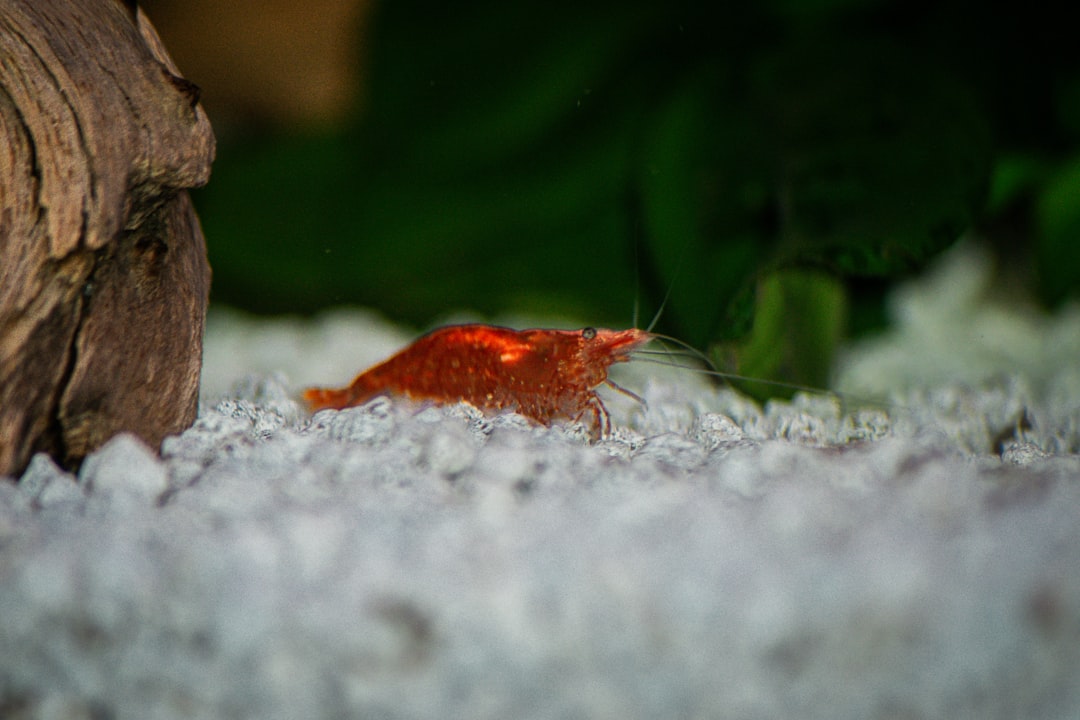
Filter-feeding shrimp bring a completely different dynamic to an aquarium — instead of grazing algae, they fan the current for microscopic food. A proper vampire shrimp vs bamboo shrimp comparison matters because despite looking superficially similar, these two species differ in size, temperament, and care demands. Gensou Aquascaping Singapore shares the practical distinctions from over 20 years of hands-on experience at 5 Everton Park.
Species at a Glance
The bamboo shrimp, Atyopsis moluccensis, originates from Southeast Asia and reaches 6–8 cm in length. Its body colour shifts between reddish-brown and tan depending on mood, diet, and moult stage. The vampire shrimp, Atya gabonensis, hails from West Africa and South America, growing substantially larger at 10–15 cm — making it one of the biggest freshwater shrimp available to hobbyists.
Both belong to the family Atyidae and share the distinctive fan-like chelipeds used for filter feeding, but the vampire shrimp’s heavier build and armoured appearance give it an altogether more imposing presence in the tank.
Tank Size and Flow Requirements
Bamboo shrimp manage well in 60-litre setups with moderate current from a hang-on-back or small canister filter. Vampire shrimp need more room — 100 litres minimum — along with stronger flow. Position the filter outlet or a powerhead to create a defined current channel where the shrimp can perch and feed comfortably.
In Singapore’s HDB flats, a 60-litre tank sits safely on most furniture, but a 100-litre setup calls for a proper aquarium stand rated for the weight. Factor in about 120 kg fully filled before choosing your spot.
Water Parameters
Both species tolerate a broad range — pH 6.5–7.8, GH 4–12, temperature 22–28 °C — which aligns nicely with Singapore’s PUB tap water after dechloramination. Vampire shrimp tend to prefer slightly warmer water toward the upper end of that range, which our ambient room temperatures of 28–30 °C naturally provide. A chiller is unnecessary; the challenge is more about keeping temperature stable during air-conditioned nights.
Weekly 20–25 % water changes with a reliable water conditioner keep both species healthy. Avoid copper-based medications in any shrimp tank — even trace amounts can be lethal.
Feeding Filter Feeders
This is where many keepers struggle. Filter feeders cannot survive on biofilm and leftover fish food alone. Supplement with powdered foods — spirulina powder, crushed algae wafers blended to dust, or commercial products like Bacter AE — dispersed upstream of their feeding perch. Feed small amounts two to three times daily.
A shrimp that abandons its perch to scavenge the substrate is almost certainly underfed. Bamboo shrimp show this behaviour sooner than vampire shrimp, which have larger energy reserves. If you spot either species foraging on the bottom regularly, increase powdered food immediately.
Behaviour and Temperament
Bamboo shrimp are shy, spending much of their time hidden behind hardscape until they locate a reliable feeding spot. They are entirely peaceful and ignore tank mates of every size. Vampire shrimp share this gentle disposition but are even more reclusive — expect them to vanish for days after introduction, emerging mainly at dusk or when food hits the water column.
Neither species threatens dwarf shrimp, snails, or small fish. They make excellent additions to planted community tanks where aggression is zero and visual interest is the goal.
Moulting and Lifespan
Vampire shrimp moult less frequently than bamboo shrimp but take longer to harden their new exoskeleton — keep calcium availability steady through mineral supplements or cuttlebone. Bamboo shrimp moult roughly every four to six weeks when well fed. Always leave the discarded moult in the tank; other invertebrates will consume it for minerals.
Lifespan differs noticeably. Bamboo shrimp typically live three to five years. Vampire shrimp, with proper care, can reach eight to ten years — a genuinely long-term commitment compared to most aquarium invertebrates.
Availability and Pricing in Singapore
Bamboo shrimp appear regularly in local fish shops, especially around Serangoon North and the Thomson area, priced between $5 and $8 each. Vampire shrimp are far less common and command $15–$30 depending on size. Carousell and Shopee occasionally list captive-held specimens, but verify the seller’s reviews before committing.
Choosing between them often comes down to tank size and patience. Bamboo shrimp suit smaller planted setups and reward you with visible feeding displays sooner. Vampire shrimp demand more space and patience but offer dramatic size and impressive longevity. Either way, this vampire shrimp vs bamboo shrimp comparison should point you toward the right filter feeder for your aquarium.
Related Reading



