
Lake Tanganyika Rocky Shore Setup: Shell Dwellers and Rock Piles
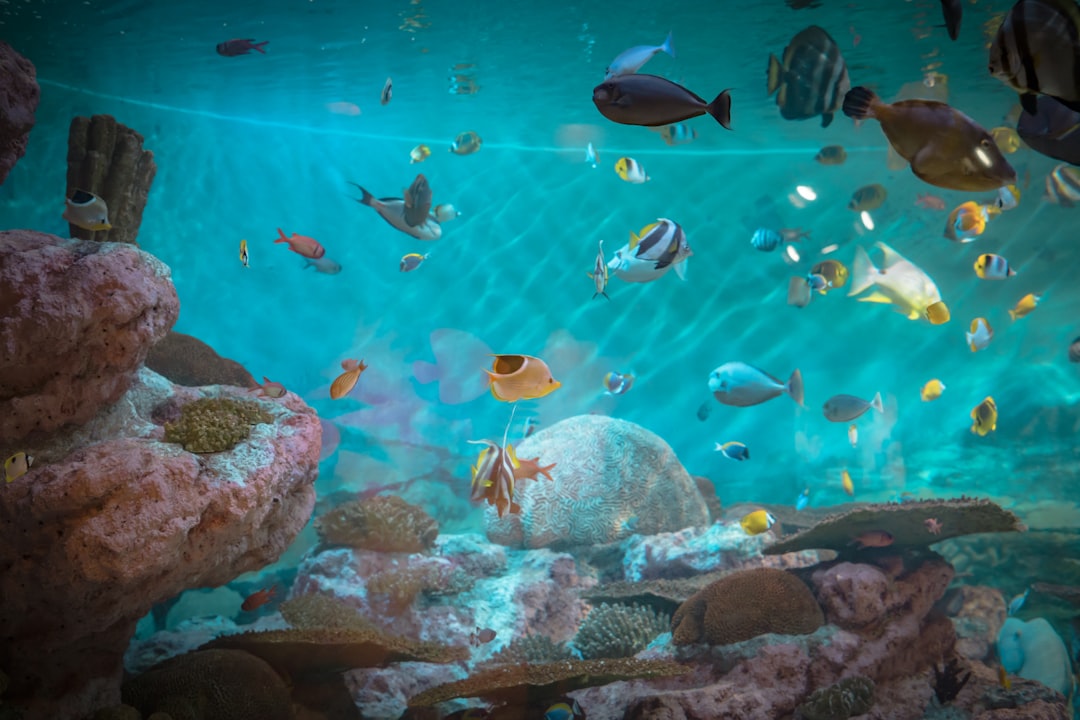
Tanganyika is the second-deepest lake on Earth, and its rocky shoreline packs more cichlid diversity per square metre than almost any freshwater habitat known to science. A well-planned lake tanganyika rocky shore setup recreates that vertical rubble zone where shell dwellers burrow into empty Neothauma shells and small Neolamprologus colonies defend crevices only a few centimetres wide. This guide from Gensou Aquascaping at 5 Everton Park covers hardscape, water chemistry, shell and rock selection, and the species combinations that actually work together in a Singapore home aquarium.
Quick Facts
- Minimum footprint: 90 cm (shellies alone); 120 cm for a mixed rocky community
- Target water: pH 8.4-9.0, GH 12-18, KH 14-20, TDS 500-700 ppm
- Temperature: 24-26 C (chiller essential in Singapore)
- Substrate: aragonite sand 3-5 cm deep for buffering and burrowing
- Rockwork: limestone, Texas holey rock, or ocean rock stacked to the waterline
- Stocking: shellies in the sand zone, rock dwellers above, open-water cyps in midwater
- Filtration: canister rated 6-8x turnover, polished with sponge pre-filter
Reading the Habitat
The rocky shore is not a random pile. In the lake, boulders sit on a bed of fine shell-rich sand that slopes down to silt. Fish occupy distinct vertical bands: shell beds at the sand interface, rock crevices at mid-depth, and open water above for the roving feeders. Replicating that layering is what separates a convincing biotope from a generic African cichlid tank.
Visibility in Tanganyika is famously clean, often 10 metres or more, so water clarity matters. Heavy filtration, weekly 20 percent changes, and careful feeding keep the tank looking like the lake rather than a murky rockery.
Water Chemistry and Buffering
Singapore PUB water sits around GH 2-4 and pH 7.2, which is the opposite of what these fish need. You have two practical paths: a Rift Lake salt mix (Seachem Cichlid Lake Salt plus Tanganyika Buffer) dosed to each water change, or aragonite substrate backed by crushed coral in the filter. Most local keepers combine both for stability.
Target KH above 14 dKH. Low KH is the single biggest cause of Tanganyikan fish looking washed-out and refusing to breed. Test alkalinity weekly during the first three months.
Hardscape: Rock Piles That Hold Up
Use limestone, Texas holey rock, or Seiryu offcuts. Avoid Ohko stone and anything slate-dark; they look wrong against aragonite and do nothing for buffering. Stack rocks directly on the tank base before adding sand, never on top, so burrowing shellies cannot undermine the pile. Aquarium-safe epoxy or cable ties on drilled rock give you sloping walls with shaded caves.
Leave an open sand flat of at least 30 x 30 cm at the front for a shell colony. Rock piles should run along the back and one side, peaking near the waterline to provide the vertical territory rock dwellers defend.
Shell Beds for Shell Dwellers
Empty escargot shells (Helix from any supermarket, boiled and dried) work as well as genuine Neothauma. Scatter 15-25 shells across the sand flat for a colony of 6-8 Neolamprologus multifasciatus or 4-6 N. similis. Lamprologus ocellatus is more aggressive and needs one shell per fish plus a metre of buffer between pairs.
Bury shells at a 30-45 degree angle with the opening half-exposed. Shellies will rearrange them anyway, sometimes moving an entire shell 20 cm overnight.
Species Combinations That Work
A proven 120 cm stocking plan: one colony of N. multifasciatus in the shell bed, a pair of Julidochromis transcriptus or Chalinochromis brichardi in the rocks, a pair of Altolamprologus calvus cruising the mid-rocks, and a shoal of 10-12 Paracyprichromis nigripinnis in open water. That gives you behaviour at every level without aggression overlap.
Skip featherfin Synodontis in anything under 150 cm; they will eat shellie fry. Avoid mixing Tanganyikan and Malawi cichlids despite what generic African tank guides suggest. The diets and behaviour differ enough to cause chronic stress.
Filtration, Flow, and Oxygen
Tanganyika is cold and oxygen-rich. A canister sized for 6-8x turnover plus a small powerhead aimed along the rock wall mimics the lake currents. Add an airstone on a timer during Singapore’s hottest afternoons; warm water holds less oxygen and these fish gasp quickly at 28 C and above.
A chiller is not optional in most Singapore homes. Budget $400-600 for a 1/10 HP unit suited to a 200-300 litre tank, and insulate the back and sides with foam to cut cycling.
Feeding and Long-Term Care
Tanganyikans are largely micro-predators and biofilm grazers. A quality pellet in the 1 mm range (Hikari Cichlid Excel, NLS Cichlid Formula) plus frozen cyclops and mysis twice weekly covers most species. Avoid bloodworm as a staple; it triggers bloat in Tropheus and is suspected in other rock dwellers.
Expect a well-run lake tanganyika rocky shore setup to hit its stride around month four, when shellie fry begin appearing and rock dweller pairs claim caves. These are decade-long fish if the water stays stable.
Related Reading
Lake Tanganyika Biotope Aquascape
Neolamprologus Multifasciatus Care Guide
Shell Dweller Cichlid Care Guide
Altolamprologus Calvus Care Guide
Paracyprichromis Nigripinnis Care Guide



