
Linckia Blue Starfish Care Reef Guide: Acclimation and Diet
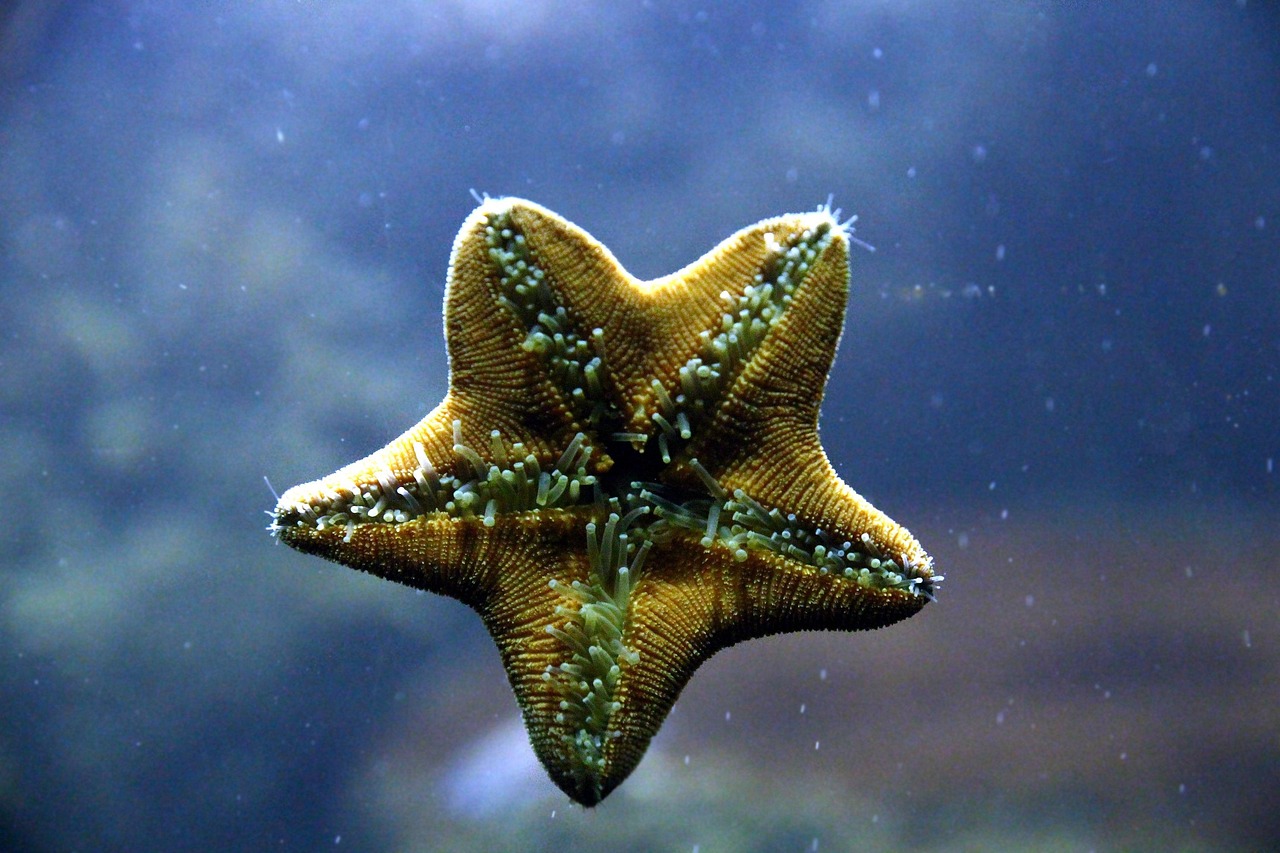
Few marine specimens disappoint new reefers more consistently than the blue Linckia, and the reason is almost always the same: the tank is too young, acclimation was too fast, and feeding strategy was non-existent. This linckia blue starfish care reef guide from Gensou Aquascaping at 5 Everton Park takes an honest view of a species that is widely sold but genuinely difficult to keep. With the right setup, however, a healthy Linckia laevigata can live five years or more in captivity, and we have shop clients running them successfully today.
Species Background
Linckia laevigata inhabits shallow Indo-Pacific reef flats, grazing microfilm off live rock and coral rubble. Adults reach 20 to 30 cm across five slender arms, and the electric blue colouration is photosynthetic pigment produced by the starfish’s own tissue, not symbiotic algae. They are slow-moving, crepuscular feeders that climb reef structure continuously when undisturbed.
Tank Maturity Requirements
The single most important factor in Linckia survival is tank age. Minimum twelve months of stable operation, ideally eighteen months, with mature live rock that carries a visible biofilm. Younger tanks simply do not produce the diversity of microfauna and biofilm Linckia needs. Our reef tank maturation stages guide explicitly calls out Linckia as a post-twelve-month addition, not an early CUC component.
Tank Size and Setup
Minimum 250 litres with ample live rock providing grazing surface. In smaller tanks Linckia exhausts available food quickly and starves regardless of supplementation. The rockscape should include multiple climbing routes and shaded overhangs; Linckia hides during daylight and emerges to graze at dusk. Our reef rock structure techniques piece covers how to build rockwork with surface area in mind.
The Acclimation Problem
Linckia is extraordinarily sensitive to salinity and osmotic shock. Standard twenty-minute drip acclimation is insufficient. We run a four-hour drip at a slow pace, starting around 30 percent bag water and targeting equilibration over the full window. During transfer, the starfish must remain submerged — a single exposure to air for more than ten seconds can trigger internal tissue damage that manifests as arm necrosis two weeks later. Our drip acclimation method guide is the baseline; extend the timing for Linckia.
Diet and Feeding Strategy
Linckia feeds on biofilm, microfauna and detritus. In a mature reef this nutrition is often adequate; in younger tanks or systems with aggressive cleanup crews, the starfish starves invisibly over two to three months. Signs of starvation include slight shrinking of the central disc, thinning arms, and reduced movement. Target-feed small pieces of krill, mussel or clam underneath the starfish once weekly; tuck food beneath the arms and observe whether it is drawn in.
Water Parameters
Linckia demands stable salinity at 1.025, temperature at 25 to 26 degrees, nitrate under 10 ppm, and zero copper. Singapore ambient temperatures make a properly sized reef chiller non-negotiable; a Linckia in a tank running at 29 degrees will not last three months. Alkalinity stability matters — avoid swings above 1 dKH per week.
Bacterial Infection and Melting
The most common Linckia failure mode is bacterial infection that appears as white patches on the arms, progressing to “melting” over one to two weeks as tissue liquefies. This is often a consequence of acclimation shock weeks earlier. Once visible it is usually fatal. Removing the specimen early to a dedicated quarantine with strong UV sterilisation occasionally saves the animal; our marine quarantine tank setup guide covers the hardware needed.
Harlequin Shrimp and Other Predators
Harlequin shrimp feed exclusively on starfish, and a Linckia in the same system will be consumed within weeks. Large angels, triggers and puffers will also attack Linckia. Reef-safe tankmates include gobies, wrasses, tangs and most shrimp species other than Harlequins. Avoid combining Linckia with sand-sifting starfish in the same tank as they compete for similar biofilm resources.
Singapore Sourcing and Pricing
Blue Linckias appear regularly at Reef Depot and Pasir Ris Farmway vendors, imported from Indonesia and the Philippines. Expect $35 to $70 per specimen depending on size and colour intensity. Inspect carefully before purchase — look for taut arm tips, smooth body surface free of white patches, and active movement. Any sign of flaccid limbs or discolouration is a hard pass. Our Pasir Ris Farmway vendor guide lists vendors that quarantine incoming stock properly.
Setting Realistic Expectations
Linckia is not a beginner reef animal, and honesty here saves the specimen. If your tank is under a year old, do not buy one. If you cannot guarantee four-hour drip acclimation, do not buy one. If your cleanup crew already strips the rock of biofilm, do not buy one. For the prepared reefer with a mature system, however, a thriving blue Linckia climbing rockwork at dusk is genuinely one of the most striking sights in the hobby.
Related Reading



