
Red Zebra Cichlid Care Guide: Metriaclima estherae Colour Morphs
Brilliant orange-red females and powder-blue males make Metriaclima estherae one of the most visually striking Mbuna in the hobby. This red zebra cichlid care guide from Gensou Aquascaping at 5 Everton Park, Singapore, covers the essentials of keeping these Lake Malawi natives healthy, colourful, and well-behaved. Despite their beginner-friendly hardiness, red zebras can be surprisingly aggressive, so proper planning is key.
Understanding the Colour Morphs
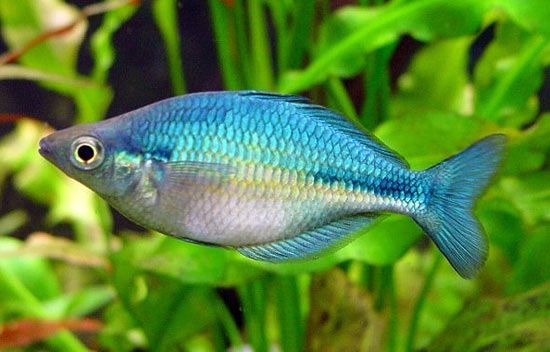
The common name “red zebra” is somewhat misleading. Wild females display a solid orange to red-orange body, while males are typically blue with faint vertical bars. In the aquarium trade, selective breeding has produced OB (orange blotch), albino, and intensified red-orange strains. When purchasing locally, whether from the Serangoon North fish shops or online via Carousell, ask the seller which morph you are getting. Expect to pay $5-$12 per juvenile depending on morph rarity and size.
Tank Requirements
Red zebras reach 12-14 cm as adults and are highly active swimmers. A 250-litre tank is the practical minimum for a group of eight to ten, though 350 litres is far more comfortable. Use coral sand or aragonite substrate to buffer your water toward the alkaline conditions these fish demand. Stack rocks to create multiple caves and line-of-sight breaks. Leave open swimming space in the upper third of the tank, as red zebras are less bottom-dwelling than many Mbuna.
Water Chemistry for Singapore Keepers
Aim for pH 7.8-8.5, GH 8-15, and KH 6-10. Singapore’s PUB tap water is far too soft for Malawi cichlids straight from the tap. Add a Rift Lake buffer or place crushed coral in a mesh bag inside your canister filter. Temperature should sit between 24 and 28 degrees C. Our ambient climate handles this naturally most of the year, though an aquarium fan helps during particularly hot spells when room temperatures exceed 31 degrees C.
Feeding for Optimal Colour
A spirulina-rich pellet should form the backbone of the diet. Red zebras are omnivores with a herbivorous lean, so keep protein-heavy foods to no more than 20 percent of weekly intake. Colour-enhancing foods containing astaxanthin can intensify the orange-red hue without harming the fish. Blanched spinach, nori sheets, and cucumber slices make excellent supplementary greens. Feed twice daily in portions consumed within 60 seconds to minimise waste and bloat risk.
Managing Aggression
Red zebras are among the more aggressive Mbuna, particularly dominant males. Keep one male per three to four females to spread harassment. If you run a mixed Mbuna community, avoid other orange or red species to prevent colour-triggered attacks. Good companions include Labidochromis caeruleus (electric yellow), Cynotilapia zebroides, and Pseudotropheus socolofi. Rearranging the rockwork when introducing new fish resets territorial claims and reduces fighting.
Breeding Red Zebras
Breeding is straightforward once a dominant male establishes a territory. The female lays 20-50 eggs and immediately takes them into her mouth for incubation, which lasts around 21-25 days. Fry are relatively large at release, about 8-10 mm, and can eat crushed flake or baby brine shrimp from day one. Separate brooding females into a 40-litre nursery tank if you want to maximise fry survival, as tankmates will readily prey on released juveniles.
Health and Maintenance
Weekly water changes of 30-40 percent are non-negotiable for Mbuna tanks. Malawi bloat remains the biggest killer and is almost always diet-related. Watch for lethargy, refusal to eat, and white faeces. Ich outbreaks are uncommon in Singapore’s warm climate but can occur after power outages that drop water temperature suddenly. Keep nitrate under 20 ppm and avoid overfeeding, and most health problems become a rarity.
Final Thoughts
Metriaclima estherae bring a splash of warm colour that few freshwater fish can rival. With the right water chemistry, ample space, and a well-considered stocking plan, a red zebra tank becomes a dynamic, endlessly watchable display. Use this red zebra cichlid care guide as your foundation, and reach out to the Gensou Aquascaping team if you need help designing a Malawi-themed setup.
Related Reading



