
Pseudotropheus Socolofi Care Guide: Powder Blue Mbuna
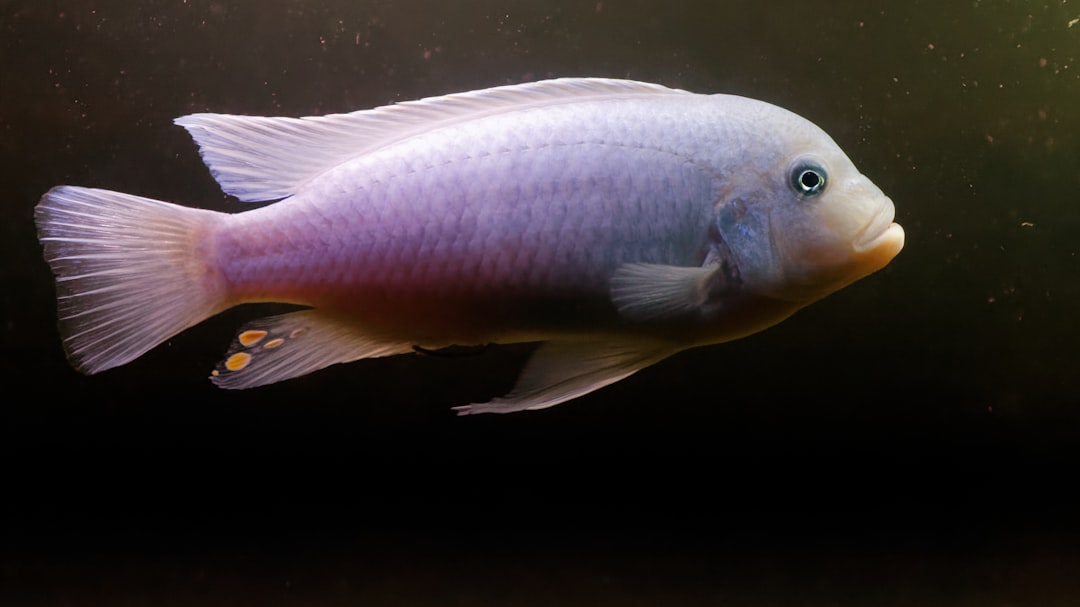
Few Mbuna cichlids match the striking, uniform powder-blue colouration of Pseudotropheus socolofi. This Pseudotropheus socolofi care guide from Gensou Aquascaping at 5 Everton Park, Singapore, walks you through everything needed to keep these Lake Malawi natives thriving in a tropical home aquarium. Hardy and visually rewarding, socolofi are an excellent entry point into the world of African cichlids, though their territorial temperament demands respect and planning.
Origin and Natural Habitat
Pseudotropheus socolofi hails from the rocky shoreline of Tumbi Point and Cobue in Lake Malawi’s Mozambican waters. In the wild, they occupy the intermediate zone between sandy substrates and jumbled rock formations at depths of 5-25 metres. Water in Lake Malawi is alkaline (pH 7.7-8.6) and moderately hard (GH 7-12), which differs significantly from Singapore’s soft PUB tap water. You will need to buffer your water to recreate these conditions.
Tank Size and Setup
A single-species group of six to eight socolofi requires at least a 200-litre aquarium, though 300 litres gives far better results for managing aggression. If you are keeping them in an HDB flat, verify that your cabinet can handle the filled weight, roughly 250-320 kg for tanks in this range. Use a fine coral sand substrate to maintain alkalinity passively, and build plentiful rock caves from ocean rock or Texas holey rock. Each fish needs at least two potential hiding spots to reduce territorial conflict.
Water Parameters and Singapore Considerations
Target a pH of 7.8-8.4, GH of 8-15, and temperature of 24-28 degrees C. Singapore’s ambient temperature of 28-32 degrees C means you rarely need a heater, but a small fan or chiller may be necessary during extended heatwaves to prevent temperatures from creeping above 30 degrees C. Since PUB tap water is soft and slightly acidic, add crushed coral to your filter or dose a Rift Lake salt mix. A 50 kg bag of crushed coral costs roughly $15-$25 on Shopee and lasts months.
Diet and Feeding
Socolofi are omnivores that lean herbivorous in the wild, scraping aufwuchs from rocks. Offer a high-quality spirulina-based pellet as the staple, roughly 60-70 percent of their diet. Supplement with blanched vegetables such as zucchini and the occasional treat of frozen brine shrimp or daphnia. Feed small portions twice daily rather than one large meal. Overfeeding protein-rich foods risks bloat, a common and often fatal issue in Mbuna.
Aggression and Tank Mates
Mbuna are notoriously feisty, and socolofi are no exception. Keep them in a ratio of one male to two or three females to spread aggression. Avoid housing them with similarly coloured species like Pseudotropheus demasoni or Metriaclima callainos, as males will direct heightened aggression toward look-alikes. Suitable companions include yellow Mbuna such as Labidochromis caeruleus and barred species like Melanochromis auratus. Overstocking slightly, while maintaining excellent filtration, is a proven strategy to dilute territorial behaviour.
Breeding Behaviour
Socolofi are maternal mouthbrooders. A dominant male will display intensely, flaring his fins near a flat rock to attract a receptive female. After a brief egg-laying and fertilisation dance, the female scoops 15-40 eggs into her mouth and incubates them for approximately 21 days. She will not eat during this period. If you wish to raise the fry, strip the female at day 18 into a separate 40-litre grow-out tank with gentle sponge filtration.
Common Health Issues
Malawi bloat is the primary concern with any Mbuna. Symptoms include loss of appetite, white stringy faeces, and abdominal swelling. Prevention is straightforward: maintain a vegetable-heavy diet and keep nitrate below 20 ppm with regular 30-40 percent weekly water changes. Ich can also appear after sudden temperature drops, though Singapore’s stable climate reduces this risk. Treat mild outbreaks by raising the temperature to 30 degrees C for three days before reaching for medication.
Why Socolofi Deserve a Spot in Your Collection
With their electric powder-blue body, manageable adult size of 10-12 cm, and engaging social dynamics, Pseudotropheus socolofi deliver outstanding value for Mbuna enthusiasts. This pseudotropheus socolofi care guide should give you the confidence to set up a proper Rift Lake environment. If you need personalised advice on stocking or hardscape design for an African cichlid tank, the team at Gensou Aquascaping is always happy to help.
Related Reading



