Negative Space in Aquascaping: The Power of Emptiness in Tank Design
The most powerful element in a competition-winning aquascape is often what is not there. Open water, bare substrate and deliberate gaps between plant masses give the eye room to breathe, establish scale and direct attention to the layout’s strongest features. Mastering negative space aquascaping is what separates cluttered hobbyist tanks from refined, gallery-quality compositions. At Gensou Aquascaping, 5 Everton Park, Singapore, we have been teaching and applying this principle for over 20 years, and it remains one of the most transformative concepts for aquascapers at every skill level.
What Negative Space Actually Means
In visual design, negative space (also called white space) is the area around and between the subjects of a composition. In aquascaping, it includes open water columns, unplanted substrate, visible sand pathways and gaps between plant groupings. Positive space is everything else — rocks, wood, plants and livestock. The relationship between positive and negative space defines a layout’s character. A tank where every surface is covered with plants and hardscape feels dense and claustrophobic. One where deliberate open areas frame the planted sections feels expansive and intentional.
The Ratio That Works
Competition-level nature aquascapes typically maintain 40-60% negative space. That may sound like a lot of “wasted” tank volume, but the visual impact is remarkable. A single, beautifully grown tree-shaped driftwood arrangement occupying the right third of a tank, with open sand and water filling the remaining two-thirds, creates far more emotional impact than wall-to-wall planting. Start with a 50/50 ratio if the concept feels uncomfortable, and resist the urge to fill empty areas as plants grow. Restraint is the hardest skill in aquascaping.
Open Water Columns
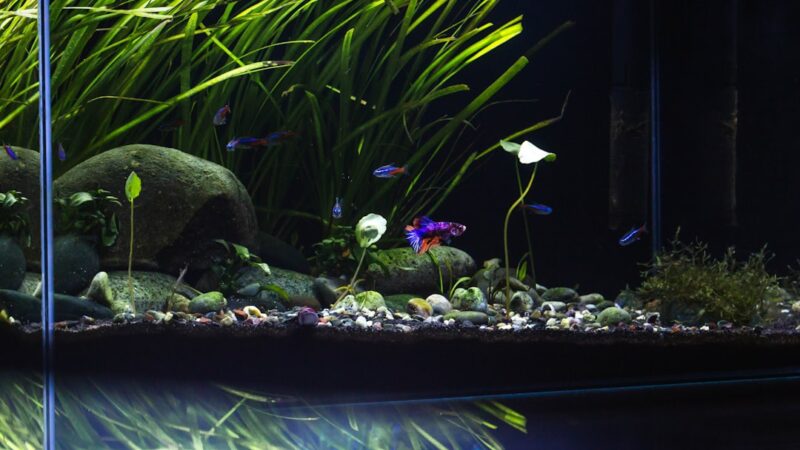
The space above your hardscape and between plant clusters is one of the most overlooked negative space opportunities. Keeping the top third of your tank free from floating plants or overgrown stems creates a sense of sky or atmosphere above the landscape. Trim stem plants to maintain a consistent canopy height that leaves clear water above. This open column also improves light penetration to lower-growing plants and provides swimming space that makes fish more visible. Schools of small tetras or rasboras become dramatic features when they have uncluttered water to move through.
Sand Paths and Open Substrate
Sand pathways are the most recognised application of negative space in aquascaping. A band of white or cream cosmetic sand winding through darker planted areas creates a river-like visual that draws the eye through the layout from front to back. The path itself contains nothing — no plants, no rock, just clean substrate — and that emptiness provides essential visual relief. Maintenance of sand paths requires occasional cleaning to prevent detritus accumulation and gentle redistribution when fish or shrimp disturb the borders. Use a turkey baster or small siphon during water changes to keep paths pristine.
Framing With Emptiness
Negative space frames positive elements the way a picture frame borders a painting. A prominent rock formation surrounded by open sand reads as more significant than the same rock buried in a thicket of plants. A solitary Anubias on a small stone, surrounded by bare substrate, becomes a focal point that an identical plant lost in a crowd never could. This framing effect amplifies the visual weight of whatever you choose to highlight. Decide what your layout’s hero element is and give it room to command attention.
Avoiding Common Mistakes
The biggest mistake is losing patience. New aquascapers plant sparsely, achieve beautiful negative space during the first month, then gradually fill every gap as they acquire more plants. Set boundaries early and stick to them. Mark mental or physical borders for planted zones and resist planting outside them. Another common error is accidental negative space — empty patches caused by plant die-off or failed growth rather than deliberate design. The difference is immediately visible; intentional negative space has clean edges and purposeful positioning, while accidental gaps look neglected.
Negative Space in Different Aquascaping Styles
Iwagumi layouts are the purest expression of negative space in aquascaping, with stone arrangements and a single carpet species surrounded by vast open areas. Nature-style aquascapes use negative space more subtly, incorporating open passages and water columns within denser plantings. Dutch-style tanks, by contrast, minimise negative space intentionally, filling the tank with meticulously arranged plant streets. Understanding which style you are pursuing clarifies how much negative space is appropriate. Attempting to force heavy negative space into a Dutch layout undermines the style’s fundamental aesthetic.
Practical Tips for Singapore Hobbyists
In Singapore’s compact living spaces, tanks are often viewed from close range, making negative space even more critical for preventing visual overwhelm. A 60 cm tank on an HDB flat desk benefits enormously from 40-50% negative space. Locally available cosmetic sands from ADA, GEX and generic brands ($8-15 SGD per kg) provide the clean, bright substrate that makes open areas visually effective. When planning your layout, photograph the empty tank from your primary viewing angle and sketch planted zones onto the image before buying a single plant. This simple exercise prevents the most common pitfall in aquascaping — filling space because it is there, not because it serves the design.
Related Reading