
Nerite Snail FAQ: Eggs Lifespan Algae Eating
Nerite snails are the most-recommended algae cleaner for Singapore planted tanks because they eat what nothing else will, including the green spot algae glued to glass and slow-growing leaves. The nerite snail faq below answers the questions keepers raise after the first month, including the puzzling white egg dots that never hatch. This nerite snail faq reflects ongoing customer conversations at Gensou Aquascaping in 5 Everton Park. Each question is a standalone reference; this guide answers the ten questions Singapore aquarists ask most about nerite snails.
What Are Nerite Snails?
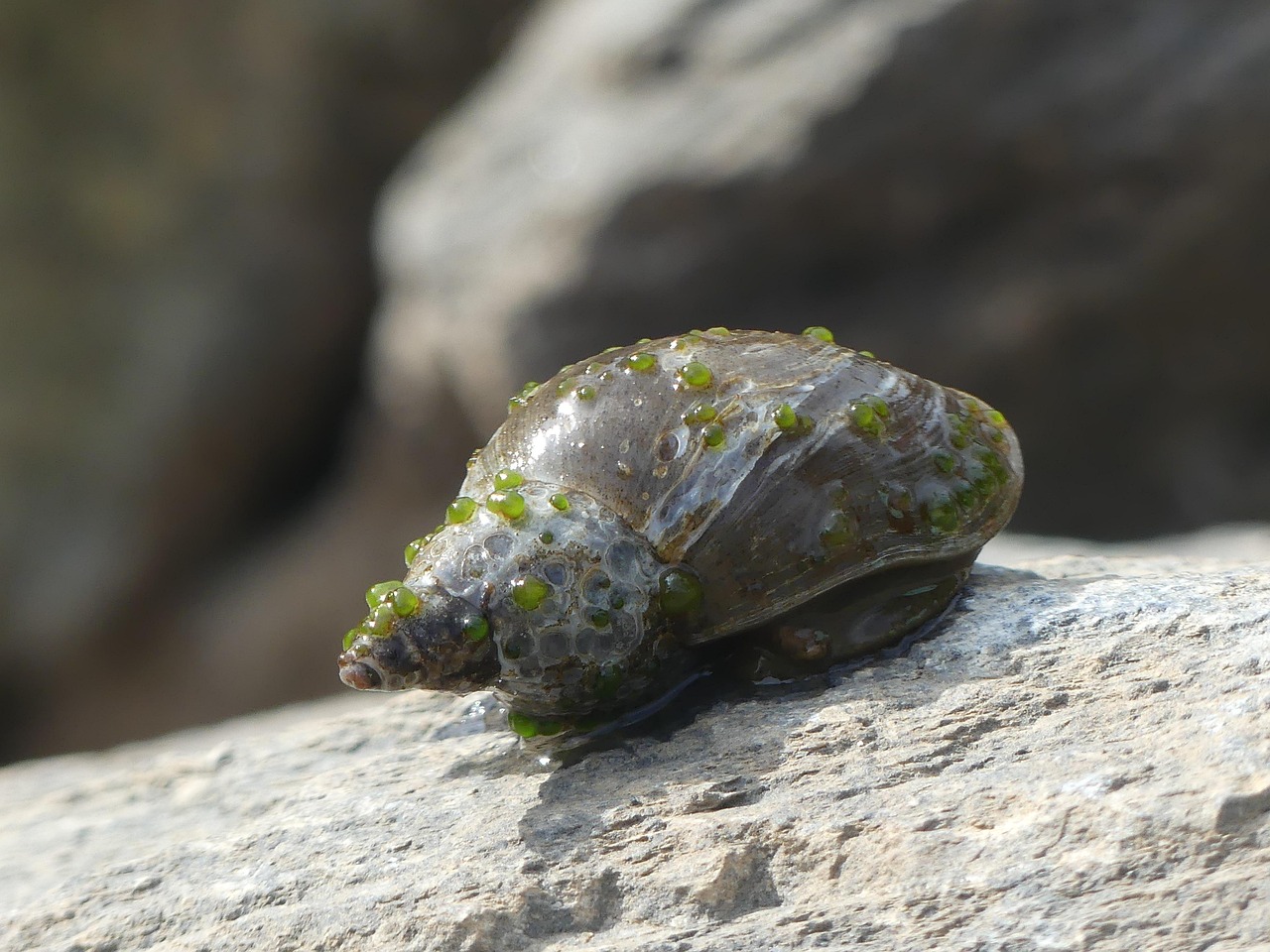
Nerite snails are saltwater-origin gastropods adapted to freshwater life. Common species include zebra nerite (Neritina natalensis), tiger nerite, horned nerite, olive nerite and red racer nerite. All are 1.5-3cm at maturity, plant-safe, and exceptional algae grazers. Their saltwater origin explains why their eggs cannot hatch in freshwater — a feature that prevents population explosion.
How Long Do Nerite Snails Live?
One to two years is typical, occasionally stretching to three. They outlive mystery snails noticeably. Adults sold in shops are typically six to twelve months old, leaving twelve to eighteen months of expected life. Cool 22-25°C tanks see longer-lived nerites than warm Singapore HDB ambient at 28-31°C.
Why Are Nerite Eggs Sterile?
Nerite larvae require brackish water with specific gravity around 1.005-1.010 to develop. The eggs themselves can be fertilised by males but the larvae die within hours of hatching in pure freshwater. This is the species’ greatest selling point: nerites cannot overpopulate a freshwater tank no matter how many you keep.
The White Dots on My Glass — What Are Those?
Those are nerite egg capsules, deposited on glass, hardscape and plant leaves. They look like tiny white sesame seeds and are aesthetically annoying because they stick stubbornly. They will not hatch — but they do not dissolve either. Scrape with a credit card, magnetic glass cleaner, or simply learn to ignore. Reducing snail density slightly reduces egg laying but never eliminates it.
What Algae Do Nerites Eat?
Nerites are the best green spot algae and brown diatom eaters in the hobby, and they handle soft green algae and biofilm well. They will not touch black beard algae, blue-green algae, or hair algae. Pair them with Amano shrimp for full algae coverage. The water care range handles types nerites cannot eat.
How Many Nerites Per Tank?
One nerite per 20-30 litres is the sustainable density. Higher concentrations strip algae faster than it regrows, leading to nerite starvation. A 60-litre tank with two nerites and one Amano per ten litres gives balanced cleanup without starvation. Add supplemental algae wafers if visible algae becomes scarce.
Do Nerites Need Calcium?
Yes — soft Singapore tap water at GH 2-4 produces shell pitting and edge erosion within months. Add cuttlebone, crushed coral in the filter, or remineralise with Salty Shrimp GH+. Target GH 6-10. Damaged shells regrow only if the calcium issue is fixed promptly. Use the water care range remineraliser.
Why Do My Nerites Keep Climbing Out of the Tank?
Nerites are escape artists. Tight-fitting glass lids are mandatory because climbing nerites desiccate within hours on the floor. Check water parameters when escapes start — sudden ammonia, pH crash or temperature spike triggers escape behaviour. Most escape losses happen at night.
What Tank Mates Work With Nerites?
Almost all peaceful community fish and shrimp coexist well with nerites. Avoid loaches, pufferfish, large goldfish and assassin snails — all eat nerite flesh. Cichlids harass them. Tetras, rasboras, corydoras, otocinclus, bettas and most peaceful gouramis ignore them entirely. The fish food range covers their tank mates.
Why Is My Nerite Not Moving?
Nerites have variable activity patterns and can stay motionless for 12-24 hours, especially after a heavy graze session. Confirm death by smell (sulphurous within 24 hours) and operculum position (loose or detached on dead snails). Many keepers prematurely declare nerites dead during digestive rest periods.
Related Reading



