
Orange Laser Corydoras Care Guide: Bright Stripe on the Bottom
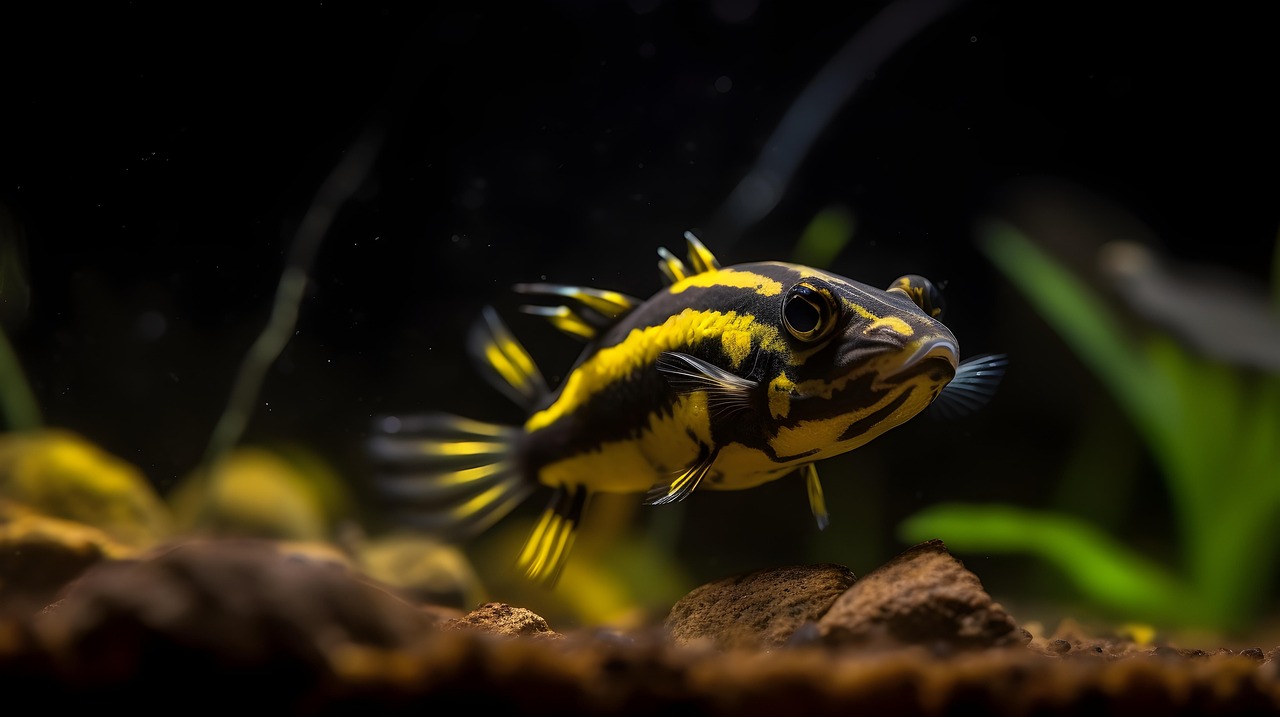
This orange laser corydoras care guide explores the care requirements of Corydoras sp. CW010, a stunning bottom-dwelling catfish known for the vivid orange-gold stripe running along its flanks. At Gensou Aquascaping, based at 5 Everton Park, Singapore, we regard this species as one of the most eye-catching corydoras for planted community tanks.
Species Profile
The orange laser corydoras originates from tributaries of the Rio Negro and upper Amazon basin in South America, where it inhabits sandy-bottomed streams shaded by overhanging vegetation. Adults reach approximately 4 to 5 cm in length and display a bold fluorescent orange stripe from the snout to the caudal peduncle, set against a grey-green body.
This species has not yet received a formal scientific description and is traded under the code CW010. Despite the provisional classification, it has become a firm favourite among aquascapers worldwide for its striking appearance and characteristic corydoras personality.
Tank Size and Environment
A 60-litre aquarium suits a group of six orange laser corydoras comfortably. As with all corydoras, they must be kept in groups, and six is the recommended minimum to encourage natural social behaviour. A larger tank of 80 litres or more allows for a bigger shoal and additional tank mates.
Use a fine sand substrate to protect their delicate barbels. Rough gravel can abrade and damage these sensory organs, leading to bacterial infections. Include driftwood, smooth stones, and shaded areas created by broad-leaved plants or floating vegetation. Open sandy patches give the fish space to forage, which is one of their most endearing behaviours.
Water Parameters for Singapore
Orange laser corydoras prefer slightly acidic to neutral, soft water. Maintain the temperature between 24 and 27 degrees Celsius. Singapore’s warm climate means a heater is seldom needed in non-air-conditioned spaces, though monitoring with a reliable thermometer is advisable to catch any unusual temperature spikes.
Target a pH of 6.0 to 7.2 and general hardness of 2 to 10 dGH. Consistent parameters matter more than hitting exact numbers. Perform weekly water changes of 25 per cent, matching temperature and chemistry carefully. These catfish are sensitive to ammonia and nitrite, so a well-cycled filter is non-negotiable.
Feeding and Nutrition
Corydoras are omnivorous bottom feeders that scavenge for food across the substrate. Offer sinking pellets or wafers as a staple diet, ensuring they reach the bottom before mid-water fish consume them. Supplement with frozen bloodworms, brine shrimp, and tubifex worms for protein variety.
Blanched vegetables such as zucchini or cucumber slices provide additional nutrition and fibre. Feed once or twice daily, ideally in the evening when corydoras are most active. In community setups, using a feeding dish or target-feeding near their resting spots helps guarantee they receive their share.
Behaviour and Social Habits
Orange laser corydoras are peaceful, gregarious fish that spend much of their time resting together in shaded spots or actively foraging across the sand. Their constant nose-down shuffling through the substrate is both charming and functional, as they sift for edible morsels.
Like other corydoras, they occasionally dart to the surface to gulp air, a normal supplementary breathing behaviour. Frequent air gulping, however, may indicate low dissolved oxygen, so ensure adequate surface agitation. Their calm disposition and bottom-dwelling habit make them excellent community citizens that rarely interact negatively with other species.
Suitable Tank Mates
Pair orange laser corydoras with peaceful mid-water and surface-dwelling species. Small tetras, rasboras, pencilfish, and dwarf gouramis are all compatible. Other corydoras species can cohabitate, though each species tends to school primarily with its own kind.
Shrimp and snails are safe companions. Avoid housing them with aggressive cichlids, large predatory fish, or species that compete aggressively for bottom space. In a planted aquascape, the orange stripe of these corydoras provides a warm colour accent that contrasts beautifully with green foliage and dark hardscape.
Health and Disease Prevention
Corydoras are susceptible to bacterial infections, particularly if kept on rough substrates or in poorly maintained tanks. Red, eroded barbels are a telltale sign of substrate-related damage or deteriorating water quality. Address the root cause promptly by switching to fine sand and improving water conditions.
Quarantine new arrivals for two weeks, observing for signs of ich, fungal infections, or unusual behaviour. Avoid copper-based medications, as corydoras and other scaleless or armoured catfish can be sensitive to these compounds. Salt treatments should also be used cautiously and at reduced concentrations.
Why Orange Laser Corydoras Shine in Planted Tanks
The orange laser corydoras combines the beloved corydoras temperament with a colour pattern that rivals the most vibrant tropical fish. Their bottom-dwelling lifestyle ensures they complement rather than compete with mid-water show fish, while their foraging habit helps keep the substrate tidy. For Singapore hobbyists wanting a lively, colourful clean-up crew with genuine personality, this species is an exceptional pick. Speak with the team at Gensou Aquascaping, 5 Everton Park, for stocking recommendations and substrate advice.
Related Reading
- Corydoras Habrosus Care Guide: The Salt and Pepper Micro Cory
- How to Breed Corydoras Panda: Conditioning, Spawning and Fry Care
- How to Breed Corydoras Sterbai: Sticky Eggs and Cool Water Triggers
- Orange Rili Shrimp Care Guide: Neocaridina Colour Morph
- Orange Sakura Shrimp Care Guide: A Bright Neocaridina Colour



