
Pink Ramshorn Snail Care Guide: Rosy Shell, Easy Keeper
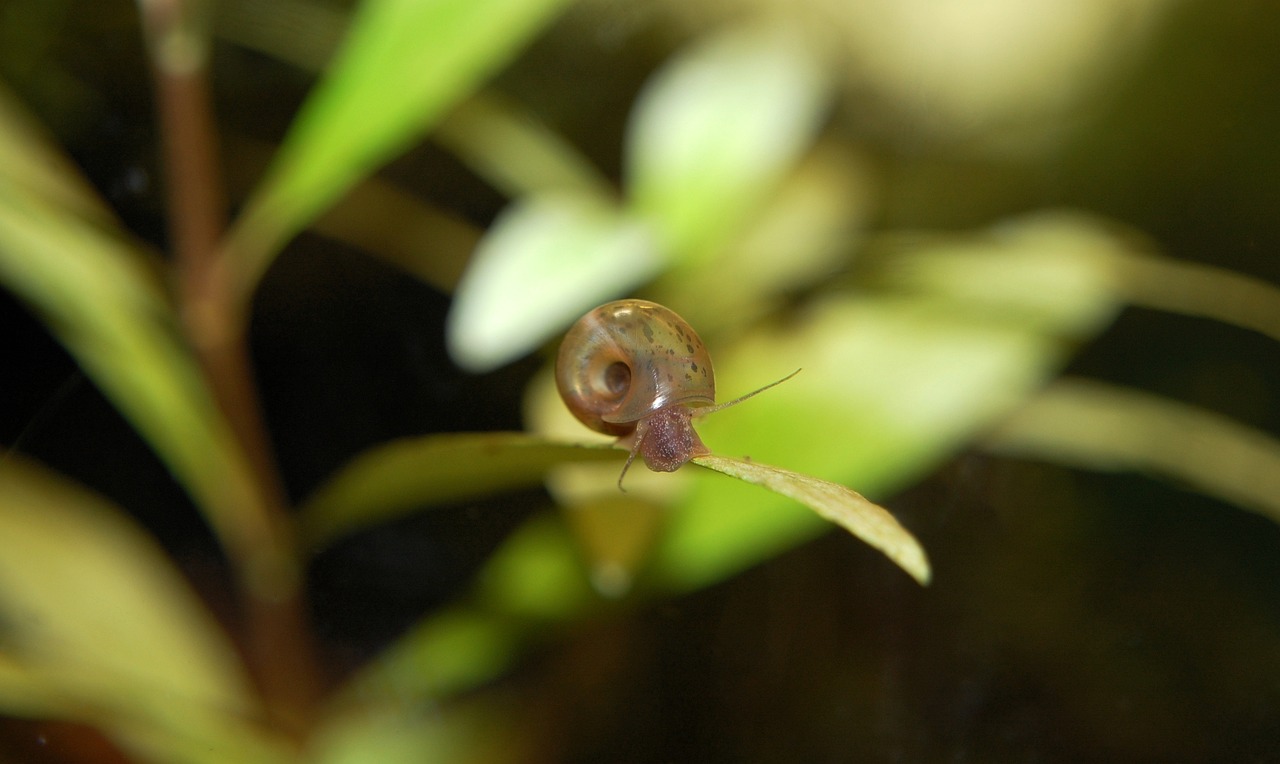
With their translucent rosy shells and tireless appetite for algae and detritus, pink ramshorn snails bring both beauty and utility to any aquarium. These small gastropods rarely exceed 2 cm in diameter, yet they work around the clock keeping glass, plants and hardscape surfaces clean. This pink ramshorn snail care guide from Gensou Aquascaping at 5 Everton Park, Singapore, explains how to keep them healthy — and how to manage their prolific breeding if numbers get out of hand.
Species Background
Pink ramshorn snails are a colour morph of Planorbella duryi (sometimes classified under Planorbarius). Their pink colouration results from a lack of dark pigment in the body, allowing the red haemoglobin in their blood to show through the translucent shell. Unlike most snails that use copper-based haemocyanin for oxygen transport, ramshorns use haemoglobin — the same oxygen-carrying molecule found in human blood. This gives them a slight edge in lower-oxygen environments.
Tank Requirements
Ramshorns thrive in virtually any freshwater setup, from a 5-litre jar to a 500-litre planted display. They are commonly added to shrimp tanks, nano planted tanks and breeding setups as a clean-up crew. No special substrate is required, though they appreciate surfaces to graze on — glass, rocks, driftwood and broad-leaved plants all work. Avoid strong current that can dislodge smaller snails; gentle sponge filtration is ideal for dedicated snail or shrimp tanks.
Water Parameters
Ramshorns tolerate pH 6.5-8.0 and temperatures from 18-28 °C. Singapore’s ambient 28-30 °C is manageable, though snails at the warmer end of their range tend to live shorter lives (12-15 months versus 18+ months in cooler water). The critical factor is calcium. Ramshorn shells erode and become pitted in soft, acidic water — our local tap water at GH 2-4 can be marginal. Supplement with a cuttlebone fragment placed in the tank, crushed coral in the filter or a weekly pinch of calcium carbonate powder. Aim for GH 6-12 for strong shell growth.
Diet and Feeding
Pink ramshorns are detritivores and algae grazers. In a well-stocked planted tank, they often find enough natural food without supplementation. In leaner setups, offer blanched vegetables — zucchini, spinach and lettuce are readily accepted — along with sinking algae wafers broken into small pieces. Calcium-enriched snail foods are available on Shopee for around $5-10 and promote shell integrity. Remove uneaten vegetables after 12 hours to prevent water quality issues.
Population Control
Ramshorns are hermaphroditic and breed enthusiastically. A single snail can lay gelatinous egg clusters containing 10-30 eggs on glass, plants and hardscape. Eggs hatch in 10-14 days. Population explosions happen when food is abundant — overfeeding fish in the same tank is usually the trigger. To manage numbers, reduce feeding, manually remove egg clusters when spotted and introduce a natural predator such as an assassin snail (Clea helena). Two or three assassin snails in a 60-litre tank keep ramshorn numbers stable without eliminating them entirely.
Tank Mates
Ramshorns coexist peacefully with virtually all community fish and shrimp. They are excellent companions for neocaridina and caridina shrimp colonies because they consume leftover food and biofilm without competing aggressively. Be cautious with known snail predators — pufferfish, large loaches like Botia species and certain cichlids will treat ramshorns as a food source. If you keep bettas, individual temperament varies; some bettas ignore snails while others nip at their tentacles relentlessly.
Health and Shell Issues
Shell erosion is the most visible health problem — thin, pitted or crumbling shells indicate calcium deficiency or excessively low pH. Correct by raising GH and adding a cuttlebone. Parasites like Ribeiroia can infect ramshorns in outdoor or pond setups, causing shell deformities, but this is rare in indoor aquaria. Copper-based medications are lethal to all snails and must be avoided in any tank housing ramshorns. Always check medication labels for copper content before dosing.
Why Keep Pink Ramshorns?
They are inexpensive (often given away free among hobbyists in Singapore or sold at $0.50-1.00 each), endlessly useful as part of a clean-up crew and genuinely attractive with their rose-tinted shells gliding across green plants. For planted and shrimp tanks, they are arguably the ideal companion invertebrate. If you are setting up a nano planted tank and want advice on balancing your clean-up crew, the team at Gensou Aquascaping is happy to share recommendations.
Related Reading
- Blue Ramshorn Snail Care Guide: Colourful and Prolific
- Ramshorn Snail Colour Genetics: Blue, Pink, Red and Leopard Morphs
- How to Breed Assassin Snails: Slow but Steady Reproduction
- Assassin Snail vs Pest Snails: How Effective Are They Really?
- Black Devil Snail Care Guide: Faunus ater in Planted Tanks



