
Pond Seasonal Maintenance in Singapore: Monsoon, Dry Season and Year-Round Care
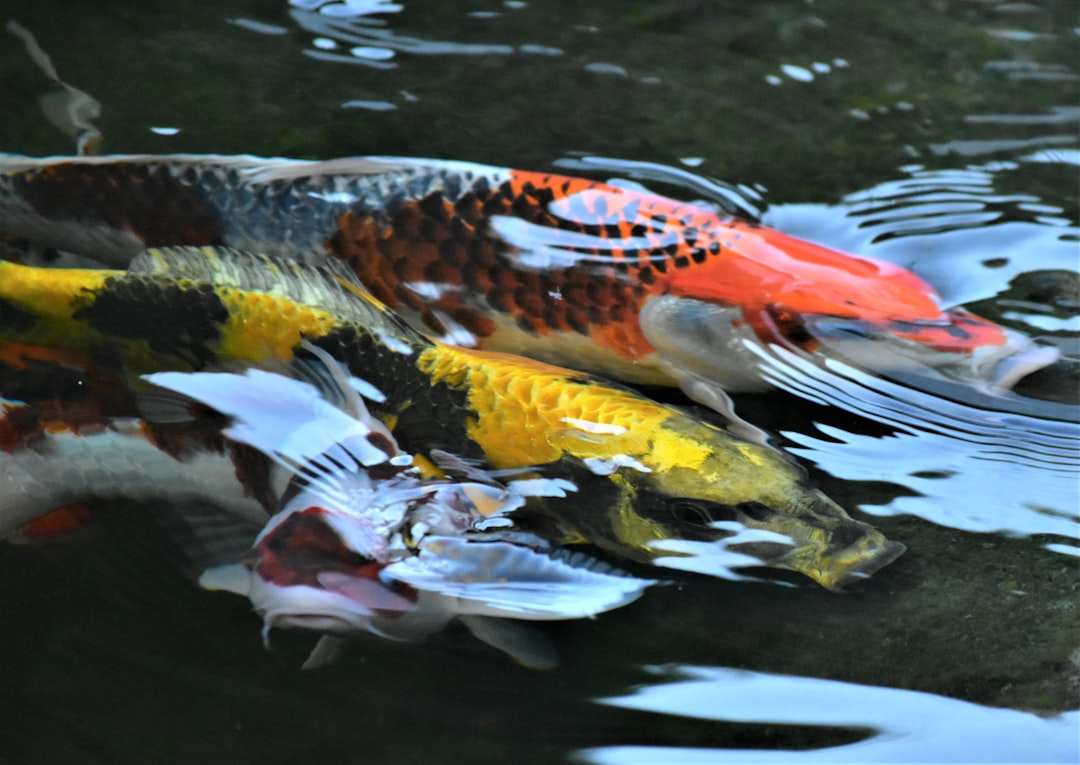
Singapore does not have the dramatic four-season cycle that defines pond keeping in temperate countries, but our tropical climate presents its own distinct maintenance rhythms. Understanding pond seasonal maintenance singapore keepers need to follow ensures your fish stay healthy and your water stays clear throughout the year. At Gensou Aquascaping, 5 Everton Park, Singapore, we have managed ponds across every weather pattern the island throws at us and learned what truly matters season by season.
Singapore’s Two-Season Climate
Rather than spring, summer, autumn, and winter, Singapore operates on a northeast monsoon season (December to early March) and a southwest monsoon season (June to September), separated by inter-monsoon periods of variable weather. Temperatures remain consistently warm at 24-32 degrees Celsius year-round. For pond keepers, the key variables are rainfall intensity, cloud cover, and occasional dry spells. Each pattern affects water chemistry, evaporation rates, and fish behaviour differently.
Northeast Monsoon: December to March
This is Singapore’s wettest period, with prolonged heavy rain often lasting hours. Rainwater is essentially pure, with a pH of around 5.5-6.0, and large volumes pouring into an outdoor pond can crash your pH and dilute mineral levels rapidly. Install an overflow drain positioned 5-10 cm below the pond rim to prevent uncontrolled flooding. After heavy downpours, test pH and KH immediately. If pH drops below 6.5, buffer gradually with sodium bicarbonate at 1 gram per 100 litres until levels stabilise. Keep filter media stocked with crushed coral to provide ongoing buffering throughout the monsoon.
Inter-Monsoon Periods: April to May, October to November
These transitional months bring unpredictable thunderstorms, intense afternoon heat, and occasionally still, humid days. Temperature swings between daytime and nighttime can be more pronounced than during the monsoon proper. Ensure your aeration system is running continuously, as warm, stagnant water holds less dissolved oxygen. Algae growth often peaks during these periods due to the combination of strong sunlight and nutrient-rich water from preceding rains. Increase mechanical filtration cleaning to twice weekly and consider adding a UV clarifier if green water persists.
Southwest Monsoon and Dry Spells: June to September
Although called the southwest monsoon, this period is often drier than the northeast monsoon, with occasional Sumatra squalls bringing brief but intense rain. Prolonged dry spells cause evaporation to outpace rainfall, concentrating dissolved solids and potentially raising salinity in ponds topped up with treated tap water over time. Monitor TDS monthly and perform larger water changes of 15-20 percent if readings climb significantly. Top-up water should always be dechlorinated, as PUB adds chloramine year-round to Singapore’s supply.
Year-Round Temperature Management
With pond temperatures sitting between 27 and 31 degrees Celsius for most of the year, Singapore pond keepers face unique challenges. Dissolved oxygen decreases as temperature rises, so robust aeration is essential. Shade at least 40-50 percent of the pond surface using plants, shade cloth, or structural covers. This reduces direct solar heating and slows algae growth simultaneously. If you keep species that prefer cooler water, such as certain goldfish or temperate koi bloodlines, a chiller rated for your pond volume is the only reliable solution, though running costs are significant.
Filtration Maintenance Calendar
Regardless of season, filtration demands consistent attention. Rinse mechanical media (brushes, foam, filter mats) in pond water every week during heavy feeding periods and fortnightly during lighter periods. Never rinse biological media in tap water, as chloramine will kill beneficial bacteria instantly. Inspect pump impellers monthly for debris. Replace UV bulbs every 8,000 hours or annually, whichever comes first. During the monsoon, check filter chambers after every heavy rain for dilution and flow rate changes caused by debris washing into the system.
Feeding Adjustments Through the Year
In temperate climates, koi feeding drops dramatically in winter. Singapore’s constant warmth means koi metabolism stays high all year, so there is no need for a winter feeding reduction. However, during periods of extended cloud cover and heavy rain, fish may eat less due to lower light levels and slight temperature dips. Reduce portions by about 20 percent during prolonged overcast weather and resume normal feeding when conditions brighten. Always remove uneaten food within ten minutes to prevent it from decomposing and spiking ammonia.
Annual Deep Clean
Once a year, typically during a dry stretch in July or August, perform a thorough pond cleanout. Drain the pond to about 30 percent, temporarily housing fish in a holding tank with aerated pond water. Vacuum the bottom, scrub algae from walls, inspect liner or concrete for cracks, service pumps, and replace worn airline tubing. Refill with dechlorinated water, match temperature to within 2 degrees of the holding tank, and reintroduce fish slowly. This annual reset keeps your pond in top condition and is far easier than dealing with accumulated problems later.
Related Reading
- Best Pond Plants for Singapore: Hardy Species That Thrive
- Best Pond Plants for Singapore: Tropical Species That Thrive Outdoors
- How to Build a Garden Pond in Singapore: Planning, Lining and Filling
- How to Keep Pond Water Cool in Singapore: Shade, Depth and Aeration
- Pond Filtration System Guide: Mechanical, Biological and UV



