
Primary School Class Tank Curriculum Guide
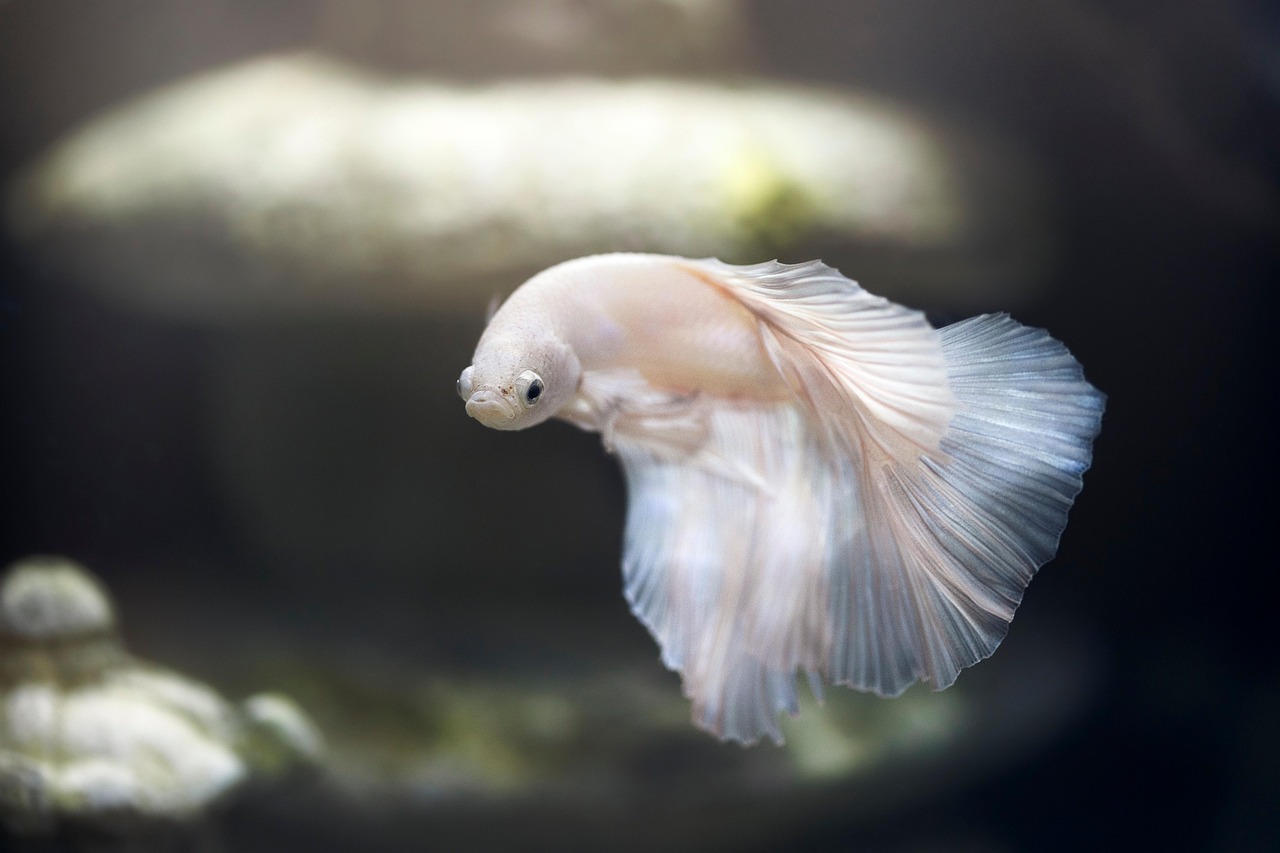
A classroom aquarium is one of the rare objects that can carry real teaching value from Primary 1 to Primary 6, if the setup matches the pupils’ developmental level and curriculum touchpoints. This primary school class tank curriculum guide from Gensou Aquascaping at 5 Everton Park is written for SG primary school teachers, parent volunteers, and enrichment coordinators setting up a tank that has to survive both the school holidays and the energetic attention of seven-year-olds. Expect concrete MOE syllabus hooks, hardy species recommendations, and a maintenance schedule that fits around term time.
MOE Curriculum Touchpoints
The MOE primary science syllabus threads through the aquarium naturally at multiple levels. Primary 3 covers diversity of living things and life cycles; the tank provides direct observation. Primary 4 addresses systems and matter; water chemistry and filtration link cleanly. Primary 5 introduces cycles in nature and energy; the nitrogen cycle, photosynthesis, and food chains all play out in a 60-litre planted tank. Primary 6 consolidates with environmental and ecosystem topics. One tank supports four years of teaching if documented well.
Tank Size for Classroom Use
A 60-litre rectangular glass tank is the sensible default. Smaller tanks are unstable in parameter and harder for 30 pupils to view simultaneously; larger tanks exceed classroom weight and space allowances, and need more maintenance than teachers have time for. Place the tank on a sturdy stand at pupil eye level, away from direct window sun and not above any electrical equipment. Dimensions around 60 cm long by 30 cm deep by 35 cm high suit most classroom corners.
Species Selection for Resilience
Choose species that tolerate school-holiday fasting, mild parameter swings, and occasional curious pupils tapping the glass. White cloud mountain minnows, zebra danios, and harlequin rasboras are the proven shortlist; all three are hardy, active, visible, and inexpensive. Add six to eight neocaridina cherry shrimp as a clean-up crew that also opens conversations about moulting and invertebrate diversity. Avoid bettas, goldfish, and any species requiring a heater or chiller. Our best fish for children first aquarium guide covers the selection rationale.
Plant Choices for Low Maintenance
Easy plants handle classroom conditions better than showy ones. Anubias barteri on driftwood, Java fern on rockwork, and a carpet of Cryptocoryne wendtii give three-layer interest with no CO2 supplementation and minimal trimming. Avoid demanding stem plants that need weekly trimming; a teacher does not have time for aquascaping during term. A single amazon sword provides visual centrepiece and forgives low light. Total plant budget sits around $35 to $50 at C328 or Green Chapter.
Filtration and Equipment
A basic hang-on-back filter rated for 200 to 300 litres per hour suits a 60-litre classroom tank with the reduced stocking density appropriate for school display. Sponge pre-filters protect shrimp. LED lighting on an 8-hour timer prevents pupil interference with the light schedule. No heater needed in SG classrooms; ambient 26 to 28 °C is fine for the recommended species. A simple thermometer on the outside glass gives pupils a parameter to read and record.
Pupil Involvement Without Risk
Assign supervised roles rather than unsupervised access. Feeding rotates among class monitors with a single pre-portioned food scoop; no opening the food container. Photography duty tracks fish growth and plant changes with the class tablet. Water parameter reading, once a week under teacher supervision, uses test strips that are fast and safer than liquid reagents. The tank lid must lock or clip securely; pupils will otherwise reach inside. Our teaching kids fishkeeping guide expands on supervised involvement.
Holiday Maintenance Planning
SG school terms leave tanks unattended for two one-week term breaks, one five-week June break, and six weeks in November-December. The June gap is the challenge. Options include a staff maintenance volunteer, a paid service visit weekly, or a holiday-proof automated setup with auto-feeder, ATO, and dimmed lighting. A well-planted, lightly stocked 60-litre tank survives a week unfed; five weeks unfed is not acceptable even with low bioload. Budget $40 to $60 per service visit in SG.
Water Changes and Testing Schedule
Weekly 25 percent water changes are overkill for lightly stocked classroom tanks; fortnightly 20 percent suits the bioload. Use dechlorinated PUB tap water matched to tank temperature, age it overnight in a bucket if possible. Pupils can help draw water, pour dechlor, and refill under teacher supervision. Test water monthly for ammonia, nitrite, and nitrate; log the readings publicly to integrate with data-handling in Primary 5 and 6 mathematics.
Budget Breakdown
A complete setup suitable for a primary school classroom costs $180 to $280 depending on tank quality. Glass tank with lid $60 to $90, HOB filter $35 to $50, LED light $40 to $60, substrate and hardscape $25 to $40, plants $35 to $50, fish and shrimp $25 to $40. Ongoing costs run $15 to $25 monthly for food, dechlor, and occasional plant trimming. Many schools fund through enrichment budget or parent-teacher association grants; some shops offer school discounts on request.
Integrating Across Subjects
The tank serves more than science. English writing prompts around fish observation, art lessons drawing the tank inhabitants, mathematics with parameter graphing and water-change calculations, and mother-tongue vocabulary for the species all slot naturally around the display. Character education discussions about care, responsibility, and life cycles emerge without forcing. One tank, done well, enriches a school year across the curriculum.
Long-Term Sustainability
The typical classroom tank lasts three to five years before the original fish reach natural end-of-life and restocking is needed. Document the tank with photos, parameter logs, and pupil journals; these become class heritage that future cohorts inherit. Plan a transition protocol for handover between teachers when class assignments rotate. A tank abandoned when its founding teacher moves on is worse than no tank at all.
Related Reading



