Setting Up an Aquarium for a Preschool Classroom
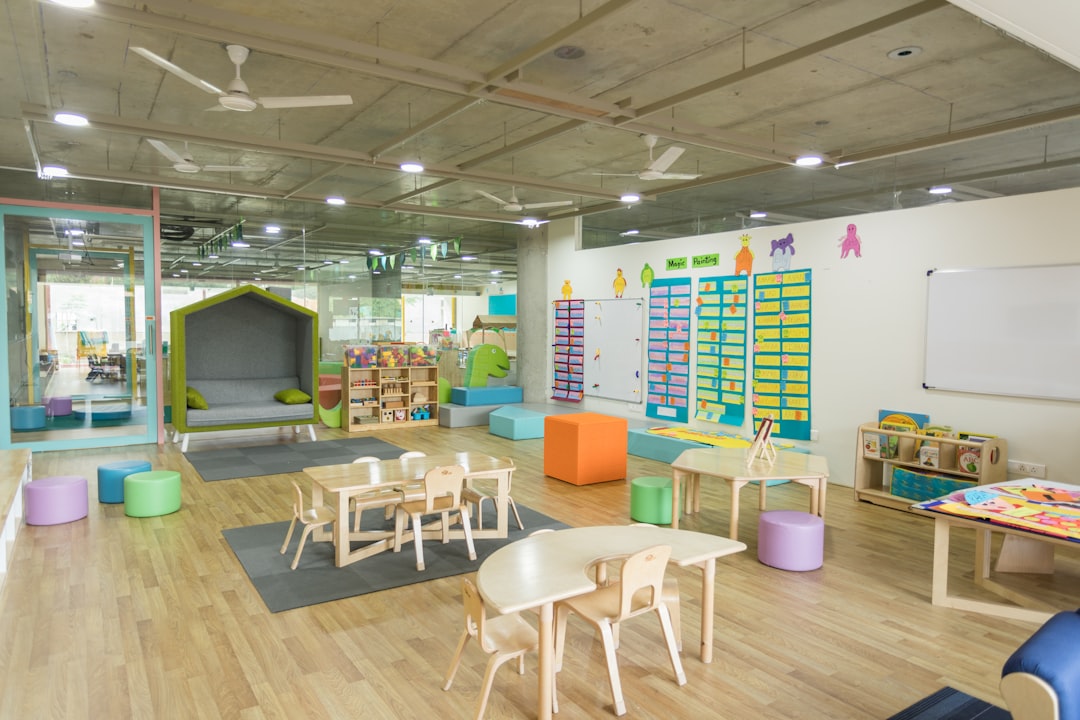
This aquarium preschool classroom guide will help educators set up a safe, engaging and low-maintenance fish tank that young children will love. A classroom aquarium teaches responsibility, sparks curiosity about nature and provides a calming focal point during the school day. At Gensou Aquascaping, located at 5 Everton Park in Singapore, we have supplied and maintained aquariums for several local preschools and enrichment centres.
Choosing the Right Tank Size and Position
A 40- to 60-litre tank strikes the best balance between stability and manageability. Smaller tanks are harder to keep clean and more prone to sudden water quality swings, while larger setups require more maintenance than busy teachers can realistically handle. Place the tank on a sturdy, low cabinet at children’s eye level—around 60–70 cm from the floor—so they can observe without climbing. Position it away from windows to avoid direct sunlight and algae blooms, and away from doors to minimise vibrations and drafts from air conditioning. Ensure the power outlet is behind the cabinet and cables are secured out of reach.
Safety Considerations for Young Children
Safety is the top priority. Use a tank with a secure, locking lid to prevent small hands from reaching into the water. Avoid glass lids in favour of acrylic or polycarbonate covers that will not shatter if knocked. Conceal all electrical cords with cable management clips. Use a residual current device (RCD) on the power strip—these are inexpensive and available at hardware shops across Singapore for under $20 SGD. Establish clear classroom rules: look but do not touch, no tapping the glass, and only the teacher feeds the fish. Laminate a simple care chart with pictures so children can follow the routine visually.
Best Fish for a Preschool Setting
Choose hardy, peaceful and visually appealing species that can tolerate occasional care lapses. Guppies are excellent—colourful, active and resilient. Platies and swordtails are similarly robust and come in bright colours children enjoy. A small group of corydoras catfish adds bottom-dwelling activity and teaches children that different fish live at different levels. Avoid delicate species, aggressive fish or anything that grows large. Bettas can work as a single specimen in a smaller tank, and their flowing fins captivate young observers. Steer clear of goldfish, which produce excessive waste and require more space than most classroom setups allow.
Filtration, Heating and Lighting
A hang-on-back filter or small internal sponge filter provides adequate filtration for a classroom tank. Sponge filters are quieter and have no intake slots that could trap tiny fingers. In Singapore, a heater is generally unnecessary since indoor temperatures remain within the tropical range, but if the classroom is heavily air-conditioned below 24 °C, a preset 26 °C heater is a worthwhile addition. LED lighting on a timer—eight hours on, sixteen hours off—keeps the tank bright during school hours and reduces electricity costs. Budget around $100–$200 SGD for the complete equipment setup.
Low-Maintenance Planting and Decoration
Live plants improve water quality and make the tank more interesting, but choose species that require no CO2 injection or special fertilisers. Java fern, Anubias and Java moss are virtually indestructible and thrive under basic LED lighting. Attach them to driftwood or smooth stones rather than planting them in substrate, which simplifies cleaning. Avoid sharp decorations or anything with small detachable parts. A few colourful, child-safe ceramic ornaments can add visual interest, but keep the scape simple so the fish remain the main attraction.
Feeding Routine and Holiday Care
Overfeeding is the number one cause of water quality problems in classroom tanks. Feed a tiny pinch of high-quality micro pellets or flake food once a day, five days a week—skip weekends. Assign feeding duty to a different child each day as a classroom responsibility. During school holidays, an automatic feeder loaded with a conservative portion will keep fish fed for up to two weeks. Alternatively, arrange for a staff member to check in once or twice a week. Before long breaks, perform a water change and clean the filter to ensure the tank enters the holiday period in optimal condition.
Incorporating the Aquarium into Learning
A classroom aquarium is a living teaching tool. Use it for science lessons on habitats, life cycles and food chains. Encourage children to draw the fish and describe their colours, shapes and behaviours—this builds observation skills and vocabulary. Create a simple logbook where children record water temperature, feeding times and any changes they notice. If guppies breed, the arrival of fry provides an unforgettable lesson in reproduction and growth. Discuss responsible pet ownership and the importance of clean water, linking the aquarium to broader environmental awareness.
Ongoing Maintenance and Support
Aim for a 25 per cent water change every week using dechlorinated tap water. Wipe the inside glass with an algae pad monthly. Test ammonia and nitrite levels with a simple liquid test kit—local shops carry these for around $20–$30 SGD. If levels spike, perform an immediate water change and reduce feeding. For schools that prefer a hands-off approach, professional maintenance services are available in Singapore on a weekly or fortnightly basis. Gensou Aquascaping at 5 Everton Park offers setup consultations and ongoing support for educational institutions looking to bring the wonder of aquatic life into their classrooms.
Related Reading