
Macropharyngodon Meleagris Leopard Wrasse Care Guide
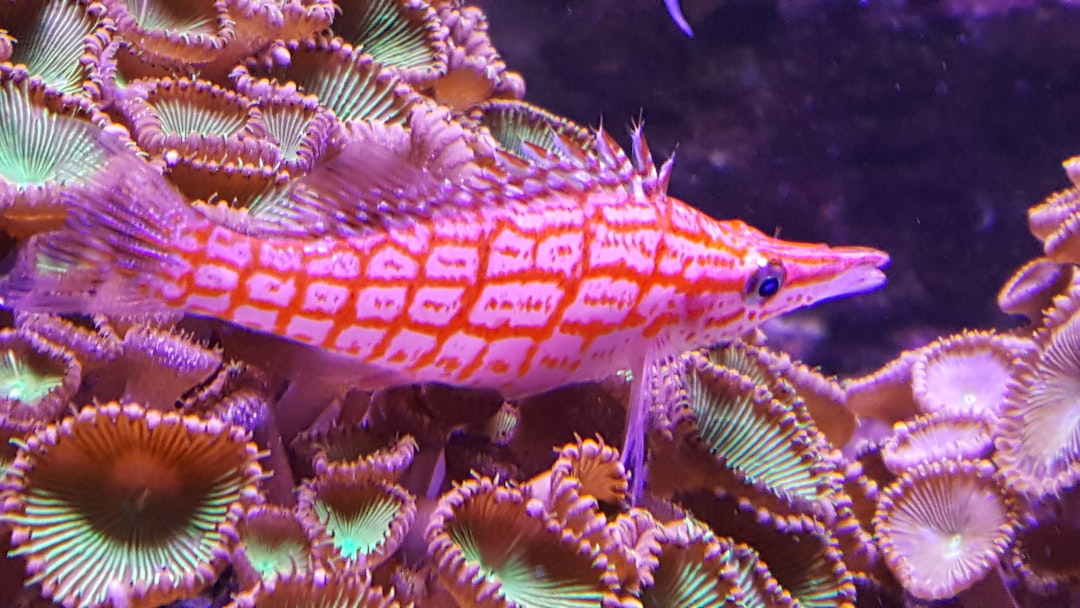
Few marine fish test an aquarist’s patience like the leopard wrasse; gorgeous in the shop tank and dead within a month if bought on impulse. Thoughtful macropharyngodon meleagris leopard wrasse care turns a notoriously difficult species into a long-lived showpiece, but only when the reef is pod-rich, the sand bed is deep and the acclimation is unhurried. This guide from Gensou Aquascaping at 5 Everton Park unpacks what actually matters: pre-tank preparation, feeding triggers and the small signals that separate a thriving specimen from one on a terminal decline. Singapore sourcing and quarantine reality are covered without sugar-coating.
Species Profile and Identification
Macropharyngodon meleagris, the guineafowl or leopard wrasse, inhabits rubble slopes and coral-rich drop-offs from East Africa through the western Pacific. Females display white bodies with black spots, while males develop green-blue patterning with yellow highlights. Adults reach 15 cm. The common trade name covers several regional colour forms; Christmas Island and Western Australian imports often show the strongest colour intensity and the best shipping survival.
Pre-Tank Preparation and Maturity
Leopard wrasses require a reef that has been running for at least 12 months with a thriving copepod and amphipod population. Adding one to a new or sterile system virtually guarantees starvation within weeks because they feed primarily on microcrustaceans rather than pellet or flake. Seed copepods from Tigriopus or Tisbe cultures for six weeks before acquisition; our marine copepod phytoplankton culture guide covers the sustained culture workflow.
Tank Size and Aquascape Demands
A minimum 300 litre reef with a 100 cm length suits a single leopard wrasse, while a pair needs 400 litres. Aquascaping should emphasise live rock rubble zones, caves and sand patches for nocturnal burrowing. A deep sand bed of 5-8 cm fine aragonite is non-negotiable because leopards dive into sand nightly and when threatened. Bare-bottom or crushed-coral tanks kill the species outright.
Water Parameters and Temperature Stability
Target 24-26°C, salinity 1.025, pH 8.1-8.3, alkalinity 8-9 dKH. The species shows reduced vigour above 27°C and stops feeding under 22°C, so a reliable chiller is essential in Singapore’s climate. A 1/10 HP unit cools a 300 litre reef adequately; see the best aquarium chiller marine singapore comparison. Minimise parameter swings because leopard wrasses declining from stress become anorexic before any visible pathology.
Feeding Strategy During Establishment
The first six weeks determine long-term success. Offer live black worms, live brine shrimp enriched with Selcon, and finely chopped fresh seafood at least four times daily. Introduce frozen mysis alongside the live food from week two; most specimens transition within 10 days. Pellet acceptance is rare and should not be the target diet. Feed small amounts frequently rather than large meals; leopard wrasses graze constantly in the wild.
Introduction and Acclimation Protocol
Slow drip acclimation over 90-120 minutes is standard, but the critical step is introducing the wrasse at lights-out so it can bury into sand without being chased. Turn off all pumps, float the bag 20 minutes, then release directly into the sand bed. Leave the lights off for 12 hours. The wrasse typically emerges on day two, circles cautiously and begins feeding by day four if the pod population is strong. Our how to acclimate marine fish drip method article covers the full drip workflow.
Quarantine Considerations
Leopard wrasses tolerate copper poorly; even therapeutic doses suppress feeding and cause rapid decline. The tank-transfer method addresses ich without chemical stress; two transfers over 12 days work well. Use a bare-bottom quarantine with PVC pipe hides rather than sand, because a sand-bottomed quarantine complicates parameter management. Keep quarantine under three weeks because extended isolation weakens the fish more than it kills pathogens.
Temperament and Tank Mate Selection
Leopard wrasses are peaceful and non-aggressive, often bullied by assertive tankmates during the fragile establishment period. Avoid six-line wrasses, aggressive damsels and dominant tangs until the leopard is confirmed feeding reliably. Suitable companions include Bartlett anthias, firefish, small clownfish pairs and peaceful dottybacks. Multiple leopard wrasses work in 500-plus litre tanks if added simultaneously; sequential addition usually triggers territorial aggression.
Reef Safety Notes
The species is fully reef safe with corals, clams and larger shrimp. They will eat pyramidellid snails, flatworms and small bristleworms, which is a welcome bonus for LPS keepers. Tiny ornamental shrimp and micro-fauna like sexy shrimp may be targeted; assess your priorities before stocking. Pair with the pest-control strategy in our how to quarantine marine fish complete guide.
Singapore Sourcing and Quality Indicators
Leopard wrasses arrive at Pasir Ris and Serangoon North marine shops every few weeks from Indonesian and Australian transshippers. Prices range $70-140 SGD depending on sex and colour morph. Only buy specimens that have been at the shop for at least 5 days and are visibly feeding. A thin, sunken-belly specimen is unlikely to recover regardless of home-tank quality. Christmas Island imports command premium pricing but show the best acclimation success rates.
Long-Term Health Signals
Expect a well-acclimated leopard wrasse to live 5-8 years. Watch for active daytime swimming, full body weight and responsive feeding as health indicators. The first warning sign of decline is reduced feeding followed by increased time spent buried in sand. Act within 48 hours by offering live food and checking pod populations; delayed intervention usually fails.
Related Reading



