
Puntius Titteya Wild Cherry Barb Care Guide
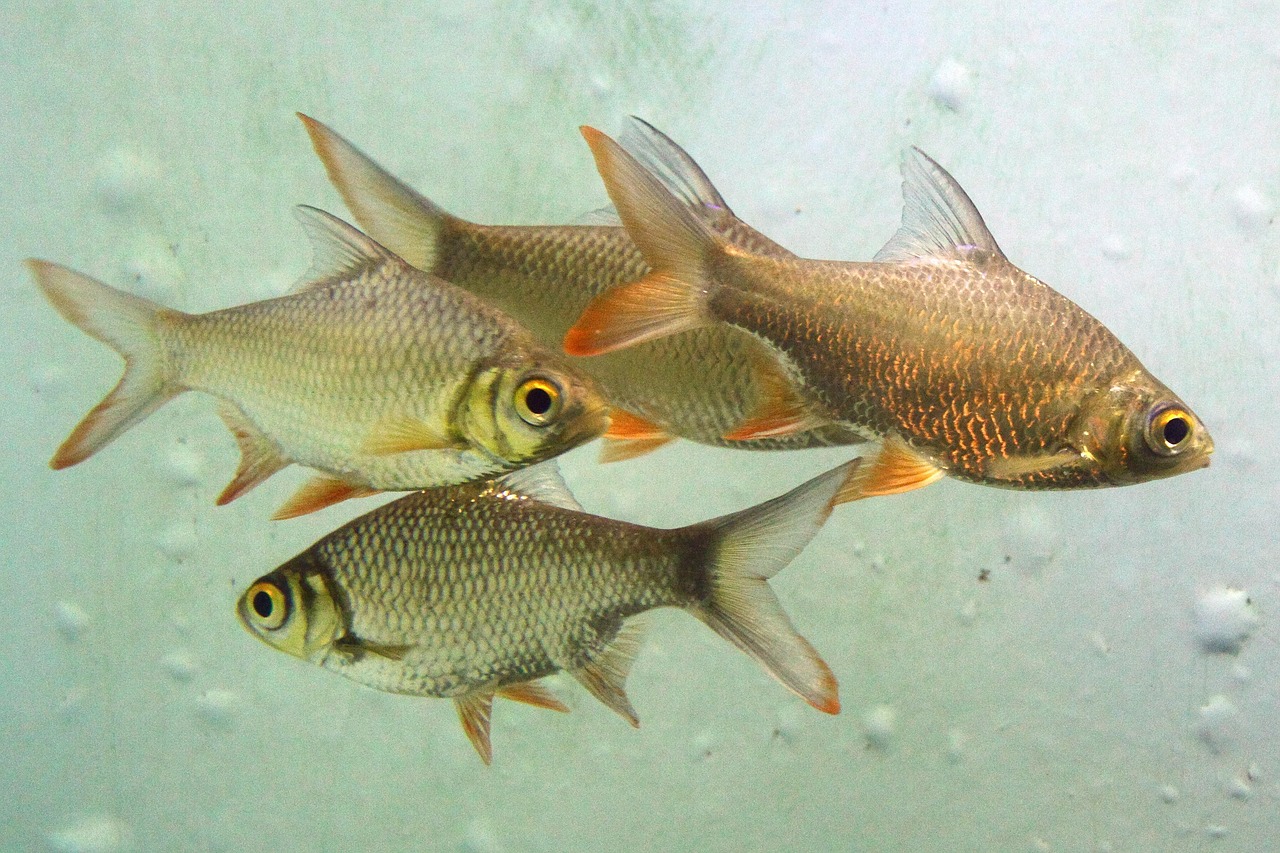
Wild-strain cherry barbs are visibly redder, slightly smaller and considerably more shy than the farmed bloodlines stocking most Singapore aquarium shops, and they reward keepers who source them carefully. This puntius titteya wild cherry barb care guide from Gensou Aquascaping at 5 Everton Park draws on direct experience with wild Sri Lankan stock against tank-bred farm stock, including notes on the parameter sensitivity that catches keepers used to the hardy farmed line. Expect specific water targets and sourcing reality.
Wild vs Farmed Distinction
Most cherry barbs sold in Singapore originate from Czech, Thai or local farm hatcheries, bred over many generations into hardier, slightly larger and dietarily flexible variants. Wild Puntius titteya from Sri Lankan streams are smaller (3.5 to 4 cm vs farm 5 to 5.5 cm), more vivid red in display males, and noticeably warier. Wild stock also demands stricter water chemistry. The species was originally described in 1929 by Deraniyagala from Kelani basin streams and remains endemic to Sri Lanka.
Habitat and Wild Parameters
Native habitat is shaded forest streams with overhanging vegetation, leaf litter substrate and slow flow. Wild water tests at pH 6.0 to 6.8, GH 2 to 6, and 24 to 27 degrees Celsius. Heavy tannin staining from leaf decay is the norm rather than exception. Fish in these conditions show the maximum red intensity for which the species is famous. Replicate this carefully in captive setups for wild stock.
Tank Size and Layout
A 45 to 60 litre tank with footprint 60 cm by 30 cm holds a healthy shoal of eight to twelve. Aquascape with shaded driftwood, leaf litter (Indian almond, banana, oak), fine sand substrate and dense edge planting (java moss, microsorum, anubias). Leave a clear central swimming corridor while providing dense edge cover. Wild fish use the cover constantly; without it they hug the back glass and rarely display. Our blackwater setup guide covers leaf litter management.
Singapore Water Conditions
PUB tap at GH 2 to 4 and pH 7.0 to 7.5 sits acceptably for wild titteya after a small acidification step. Aim for pH 6.5 to 6.8 by running a peat media bag in the filter or rotating Indian almond leaves weekly. Temperature 25 to 27 degrees works without heating in HDB ambient, though sustained 30+ degrees during heatwaves stresses wild stock. Our catappa leaf guide covers dosage rates.
Diet and Feeding
Wild fish accept dry food but show meaningfully better colour on a varied live and frozen diet. Newly hatched brine shrimp, daphnia, microworm and small frozen bloodworm form the rotation. Crushed quality flake or micropellet covers the daily backbone. Feed twice daily in small amounts cleared within thirty seconds. Live food two or three times weekly is the difference between mediocre and stunning red intensity in mature males.
Tank Mates
Pair with peaceful soft-water nano species: celestial pearl danio, Boraras, dwarf Corydoras, sparkling gourami, peaceful loaches like Pangio kuhlii. Avoid larger barbs, danios and tetras that out-compete at feeding and intimidate wild stock. Neocaridina coexist well with adults but shrimp fry are picked. Avoid combining wild titteya with farm cherry barbs; the larger farmed stock dominates.
Schooling and Behaviour
Cherry barbs are loose shoalers; eight to twelve gives stable behaviour. Below six, individuals turn nervous and males stop displaying. Provide horizontal swimming corridor and dense edge planting. Mature males flag-display to one another with raised fins and chasing along open water; females ignore most of this and forage at the substrate level. Wild stock takes two to three weeks to settle and begin display behaviour after introduction.
Breeding Notes
The species is an egg-scatterer over fine-leaved plants or marbles. Condition pairs on live food for two weeks at 26 degrees, then move to a 10 to 15 litre breeding tub with java moss. Spawning typically follows within a week. Remove adults after 24 hours; eggs hatch in 36 to 48 hours and fry require infusoria before microworm. Fry colour up at 6 to 8 weeks. Our cherry barb breeding guide covers full methodology.
Lighting and Plant Pairing
Soft, dimmer overhead light brings out the best red. Run LEDs at 40 to 60 percent and use floating plants such as Salvinia or Phyllanthus fluitans to shade the upper third. Heavy direct lighting causes wild fish to wash out and hide. Pair with dark substrate and tannin-tinted water for visible colour depth. Our planted tank LED guide covers dimmable options.
Common Health Issues
Wild titteya is more parameter-sensitive than farm stock. Quarantine new arrivals for two weeks because farm stock often carries fungal infections that bloom under stress, and wild stock occasionally arrives with parasitic flukes. Avoid sudden temperature changes; even a four-degree shock can trigger ich. Use double-strength dechlorinator on water changes; wild stock reacts more strongly to chloramine spikes than farm equivalents.
Sourcing and Why Choose Wild Titteya
Standard farm cherry barbs stock at every major shop including C328 Clementi at SGD 2 to 3 per fish, while wild stock is harder to source; specialist Shopee importers occasionally list Sri Lankan-collection groups at SGD 6 to 12 per fish, typically around Aquarama in May and June. Confirm provenance because some sellers misrepresent farm stock as wild; genuine wild fish show smaller adult size, deeper red and more pronounced wariness. For Singapore keepers running a soft-water blackwater nano scape and wanting a colourful mid-water shoaler with genuine biotope authenticity, wild Puntius titteya delivers visible red intensity that farm bloodlines rarely match, and a mature wild shoal in a tannin-tinted scape is one of the most visually rewarding nano fish setups available locally.
Related Reading



