
Rabbit Snail Care Guide: Slow, Elegant and Easy to Keep
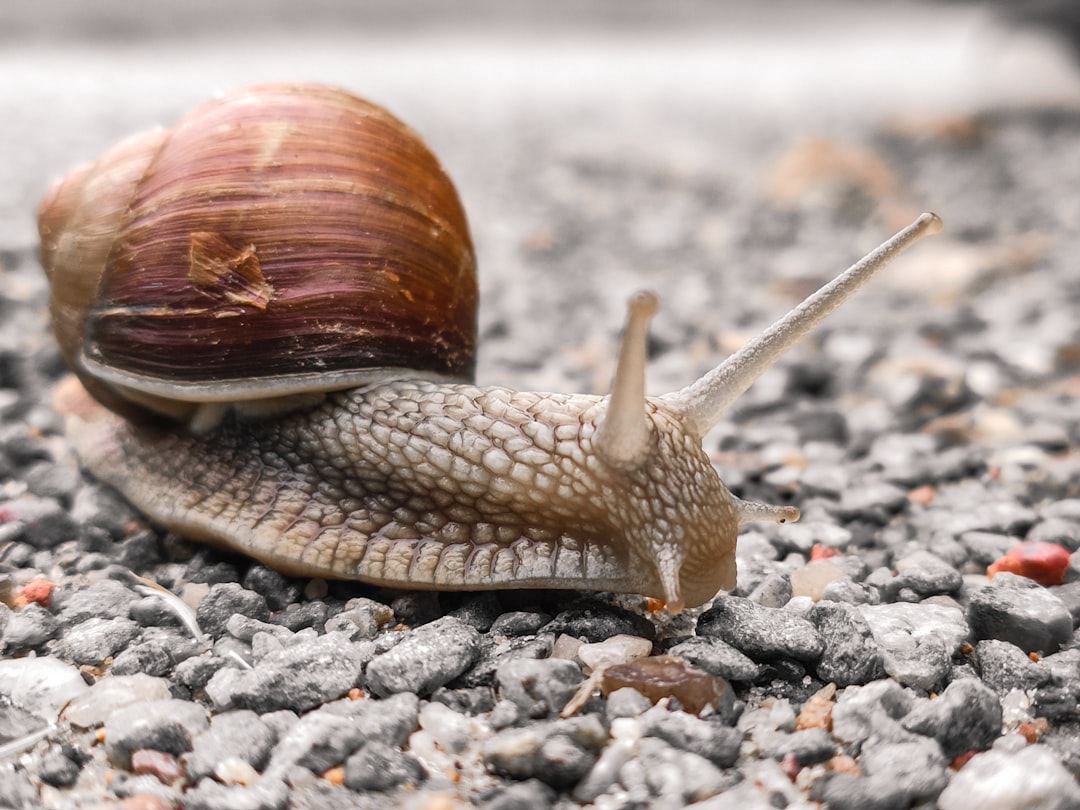
Rabbit snails (Tylomelania spp.) are the gentle giants of the freshwater snail world. Originating from the ancient lakes of Sulawesi, Indonesia, these elegant gastropods are prized for their elongated spiral shells, expressive rabbit-like faces and relaxed, deliberate pace of life. At 5–12 cm, they are significantly larger than nerite or mystery snails, yet they are among the most peaceful and manageable invertebrates in the hobby. This guide sits inside our broader Tropical Fish Species Master Index reference.
Best of all, rabbit snails are slow breeders — releasing just one fully formed baby at a time — so they will never overrun your tank the way pest snails do. This rabbit snail care guide covers species, colour varieties, feeding, breeding and why Singapore’s warm water makes them exceptionally easy to keep.
Table of Contents
Species Overview
| Attribute | Detail |
|---|---|
| Genus | Tylomelania |
| Origin | Sulawesi, Indonesia (Lake Poso, Lake Matano, Lake Towuti and surrounding waterways) |
| Adult Size | 5–12 cm (depending on species) |
| Lifespan | 3–5 years |
| Temperament | Peaceful, slow-moving |
| Diet | Omnivore — algae, vegetables, commercial food, calcium supplements |
| Minimum Tank Size | 40 litres |
| Breeding | Slow — one baby at a time |
The common name “rabbit snail” comes from their elongated, drooping face with two long tentacles that resemble floppy rabbit ears. Combined with their inquisitive, unhurried exploration of the tank, they have an endearing personality that few invertebrates can match.
Colour Varieties
Several Tylomelania species and colour morphs are available in the hobby. Shell shape and body colour vary, but all share the characteristic elongated, conical shell and rabbit-like face.
| Variety | Shell Colour | Body Colour | Notes |
|---|---|---|---|
| Chocolate | Dark brown, smooth | Dark chocolate brown | The most common variety; hardy and affordable |
| Orange (Poso) | Dark brown to black | Bright orange | Striking contrast; from Lake Poso region |
| Yellow | Medium brown | Golden yellow | Vibrant; sometimes called “golden rabbit snail” |
| Spotted / White Spotted | Dark with light spots or ridges | Dark with cream/white spots | Unique patterning; less common |
| Black | Very dark brown to black | Dark grey to black | Sleek, understated appearance |
Chocolate Rabbit Snail
The default variety for beginners. Chocolate rabbit snails are hardy, widely available in Singapore and display the classic rabbit snail silhouette beautifully. Their uniform dark colouring makes them easy to spot against light substrates and green plants.
Orange Rabbit Snail
The showpiece of the genus. The vivid orange body against a dark shell is genuinely eye-catching, especially in a planted tank with green foliage. Orange rabbit snails from the Lake Poso region tend to be the most intensely coloured. They are slightly more expensive than chocolate varieties but well worth the premium.
Yellow Rabbit Snail
Similar in appeal to the orange variety, with a warm golden-yellow body. Some specimens show a gradient from pale yellow at the head to deeper gold toward the tail. Yellow rabbit snails are less commonly stocked than chocolate or orange but appear regularly in Singapore specialist shops.
Spotted Rabbit Snail
The spotted or white-spotted variety displays cream or white markings on a darker body and shell. The patterning varies between individuals, giving each snail a unique appearance. These are among the less common varieties and tend to command higher prices.
Tank Setup
Rabbit snails are undemanding in terms of aquascaping, but a few elements make a meaningful difference to their comfort and activity level.
Recommended Setup
- Substrate: Fine sand is ideal. Rabbit snails burrow into the substrate to rest and search for food. Coarse gravel can impede burrowing and trap waste. A layer of fine sand 3–5 cm deep accommodates their digging behaviour.
- Driftwood and rocks: Provide surfaces for biofilm grazing and visual interest. Rabbit snails will slowly explore every surface.
- Plants: Generally safe with rabbit snails, though some hobbyists report occasional nibbling on soft-leaved plants like Vallisneria and Hygrophila. Hardy plants such as Anubias, Java fern and Bucephalandra are not touched.
- Filtration: Standard filtration appropriate for the tank size. Rabbit snails produce moderate waste for their size, so adequate filtration and regular maintenance are important.
Tank Size
A 40-litre tank is the minimum for two to three rabbit snails. Given their adult size of 5–12 cm, they need more space than typical nano snails. A 60–80 litre planted tank comfortably houses a small group and gives them room to roam. For HDB and condo setups, a 60 cm tank on a sturdy surface is a practical choice.
Water Parameters
Rabbit snails come from the warm, alkaline lakes of Sulawesi. They prefer conditions that are warmer and harder than many typical tropical fish, which is actually an advantage in Singapore.
| Parameter | Ideal Range | SG Notes |
|---|---|---|
| Temperature | 26–30 °C | Singapore’s 28–32 °C is perfect; no heater needed |
| pH | 7.5–8.5 | Alkaline; add crushed coral or limestone if SG tap water is too soft |
| GH | 6–15 dGH | Moderate to hard; calcium is essential for shell growth |
| KH | 4–12 dKH | Moderate to high buffering helps maintain stable pH |
Singapore’s warm ambient temperatures are a genuine advantage for rabbit snails. While many tropical fish struggle with our heat, rabbit snails actively thrive in it — they are among the few aquarium inhabitants that genuinely prefer water at 28–30 °C.
Always treat PUB tap water with a conditioner that neutralises chloramine. Copper-based medications are lethal to all snails, including rabbit snails — never use copper treatments in a tank containing invertebrates.
Calcium
Adequate calcium is essential for healthy shell growth. If your water is soft, supplement with:
- Crushed coral mixed into the substrate or placed in the filter
- Cuttlebone pieces placed in the tank
- Calcium-enriched snail foods
- Mineral blocks designed for invertebrates
Signs of calcium deficiency include thin, pitted or eroded shells and slow growth. Browse our online shop for calcium supplements and quality snail foods.
Feeding
Rabbit snails are enthusiastic omnivores that accept a wide range of foods. Their large size means they eat more than small snails — budget accordingly.
Recommended Foods
- Blanched vegetables — courgette (zucchini), cucumber, spinach, kale, carrots, sweet potato. These form the core of the diet. Blanch briefly to soften, then weigh down with a clip or fork.
- Algae wafers — a convenient staple; one wafer per two to three snails every other day.
- Sinking pellets — bottom-feeder tablets and shrimp pellets are accepted eagerly.
- Calcium-enriched foods — snail-specific foods with added calcium support shell health.
- Cuttlebone — place a piece in the tank; snails rasp at it as needed.
- Biofilm and algae — naturally grazed from surfaces in a mature tank.
- Fallen leaves — Indian almond leaves, mulberry leaves and dried nettle leaves are slowly consumed.
Feeding Schedule
Feed once daily or every other day. Rabbit snails are not greedy — they eat slowly and methodically. Remove uneaten vegetables after 24 hours to prevent water quality issues. In a well-established planted tank, they supplement their diet continuously with biofilm and microalgae.
Breeding
Rabbit snail breeding is one of their most appealing features for aquarists who have been burned by pest snail explosions. Tylomelania species reproduce extremely slowly compared to other freshwater snails.
How They Breed
- Rabbit snails are live-bearing — they do not lay eggs.
- A female produces one fully formed baby snail at a time, enclosed in a small, white egg sac.
- The gestation period is approximately four to six weeks.
- Babies are born at around 0.5–1 cm and are immediately independent.
- A well-fed female may produce one baby every four to eight weeks.
Why This Matters
This glacial reproduction rate means rabbit snails will never overrun your tank. Unlike Malaysian trumpet snails, ramshorn snails or bladder snails — which can produce dozens or hundreds of offspring in a short period — a rabbit snail colony grows at a pace that is easy to manage. For hobbyists who want snails without the population explosion, rabbit snails are the answer.
Baby rabbit snails need no special care. They eat the same foods as adults (in smaller quantities) and grow slowly over several months. Ensure calcium is available for proper shell development.
Substrate Burrowing
Rabbit snails are known for their substrate burrowing behaviour. They partially or fully bury themselves in sand, sometimes for hours at a time. This is completely normal and should not cause alarm.
Why They Burrow
- Resting: Rabbit snails often bury themselves to sleep, especially during the day.
- Searching for food: They sift through sand looking for organic particles and detritus.
- Temperature regulation: Burrowing into cooler substrate layers may help during warmer periods.
- Stress response: Newly introduced snails may burrow for several days while acclimatising.
Fine sand is essential to accommodate this behaviour. Coarse substrates prevent burrowing and can cause irritation to the snail’s soft body. A 3–5 cm sand bed gives them adequate depth for comfortable digging.
Tank Mates
Rabbit snails are completely non-aggressive and get along with nearly everything that will not actively harm them.
Excellent Tank Mates
- Community fish — tetras, rasboras, corydoras, livebearers
- Shrimp — Neocaridina, Amano, Sulawesi shrimp (share similar water preferences)
- Other snails — nerites, mystery snails, Malaysian trumpet snails
- Peaceful bottom dwellers — kuhli loaches, otocinclus
Avoid
- Snail-eating fish — loaches (especially clown loaches and yo-yo loaches), pufferfish and large cichlids will attack and eat rabbit snails.
- Aggressive fish — anything that nips at the snail’s long tentacles.
- Crayfish — will attack and consume snails.
Rabbit snails make a particularly lovely pairing with pencilfish and other gentle mid-water schoolers. The snails handle the substrate level while the fish animate the upper zones.
Common Issues
- Shell erosion: Pitting, thinning or whitening of the shell indicates calcium deficiency or excessively acidic water. Raise KH and GH, add cuttlebone, and ensure the pH stays above 7.0.
- Inactivity: Rabbit snails are naturally slow, but prolonged inactivity (not moving for 48+ hours with no burrowing) may indicate poor water quality or stress. Test parameters and perform a water change.
- Plant nibbling: Some individuals nibble soft-leaved plants. Increase vegetable supplementation to redirect their appetite. Hardy plants like Anubias and Java fern are rarely damaged.
- Copper exposure: Even trace amounts of copper from medications, fertilisers or tap water additives can be lethal. Use invertebrate-safe products only.
Frequently Asked Questions
Will rabbit snails eat my plants?
Rabbit snails occasionally nibble on soft-leaved plants, particularly if hungry. Hardy, thick-leaved species such as Anubias, Java fern and Bucephalandra are safe. If nibbling occurs, increase vegetable supplementation — a piece of blanched courgette every other day usually satisfies their appetite and diverts them from live plants.
How many rabbit snails can I keep in my tank?
As a general rule, allow 15–20 litres per rabbit snail. A 60-litre tank comfortably houses three to four adults. Their moderate bioload means filtration capacity is also a factor — ensure your filter can handle the waste output alongside other tank inhabitants.
My rabbit snail has been buried for two days. Is it dead?
Probably not. Rabbit snails frequently burrow for extended periods, especially after being introduced to a new tank. Gently uncover the snail and check for responsiveness — a living snail will slowly retract or begin moving when touched. A dead snail produces a distinctly unpleasant odour and will not respond to touch. If in doubt, place the snail on the substrate surface and observe over a few hours.
Do rabbit snails need a heater in Singapore?
No. Singapore’s ambient temperature of 28–32 °C falls squarely within the rabbit snail’s preferred range. In fact, rabbit snails are among the few aquarium species that actively benefit from our warm climate — they are more active and breed more readily at higher temperatures. A heater is unnecessary in any standard HDB or condo setup.
Add Elegance to Your Tank Floor
Rabbit snails bring a unique combination of beauty, personality and practicality to the freshwater aquarium. Their stunning colour varieties, slow-breeding nature and gentle temperament make them ideal for planted community tanks — and Singapore’s warm water ensures they thrive without any special temperature management.
Whether you are looking for a chocolate rabbit snail to complete a simple community setup or a vivid orange specimen as a feature invertebrate, visit us at 5 Everton Park or browse our online shop. Our team has over 20 years of aquascaping experience and can help you choose the right snails for your tank.
Related Reading
- Golden Rabbit Snail Care Guide: Sulawesi’s Slow-Moving Beauty
- Rabbit Snail Species Compared: Orange, Yellow and Chocolate
- How to Breed Assassin Snails: Slow but Steady Reproduction
- Assassin Snail vs Pest Snails: How Effective Are They Really?
- Black Devil Snail Care Guide: Faunus ater in Planted Tanks



