
Golden Rabbit Snail Care Guide: Sulawesi’s Slow-Moving Beauty
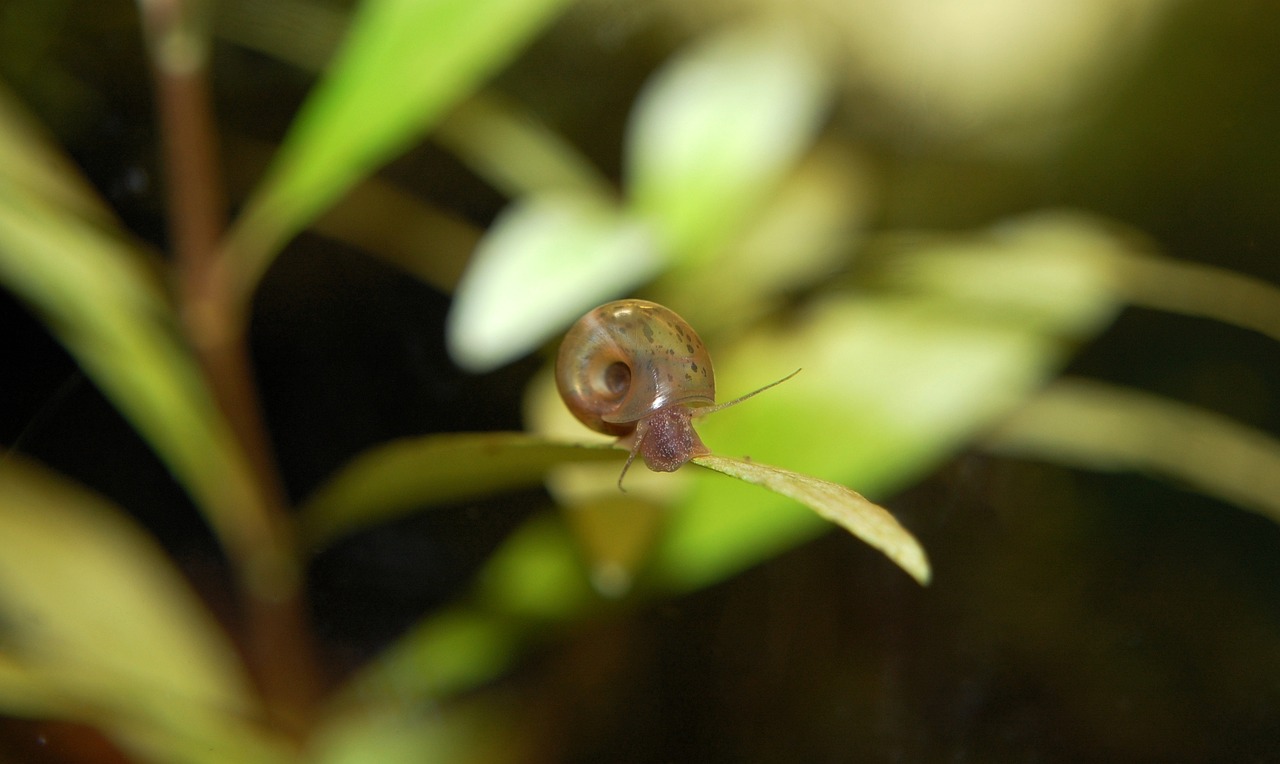
With their elongated spiral shells and droopy rabbit-ear tentacles, golden rabbit snails are among the most charismatic gastropods in the freshwater hobby. This golden rabbit snail care guide from Gensou Aquascaping at 5 Everton Park, Singapore, explains how to provide the warm, alkaline conditions these Sulawesi natives require. Tylomelania zemis and related species move with a leisurely grace that brings a calming presence to any aquarium. Their golden-yellow shell and dark, textured body create a striking contrast that few other snails can match.
Origin and Identification
Rabbit snails originate from the ancient lakes of Sulawesi, Indonesia — primarily Lake Poso and the Malili lake system. The golden variant features a smooth to lightly ridged amber-yellow shell reaching 7-12 cm in length. Their soft body is typically dark brown to black, with a distinctively wrinkled, elephant-skin texture. The long, drooping tentacles that give them their common name are sensory organs used to navigate the substrate. Several colour morphs exist — chocolate, orange, yellow and spotted — but the golden form remains one of the most sought-after.
Tank Requirements
Golden rabbit snails need a minimum of 40 litres, with larger tanks preferred for groups. A soft sand substrate is essential — these snails burrow partially and will injure their foot on sharp gravel. Provide driftwood, smooth rocks and leaf litter for grazing surfaces. They are slow movers and poor climbers, so an open-topped tank is less risky than with other snails, though a lid still helps maintain humidity. Plant choices should lean towards hardy species like Anubias and Java fern, as rabbit snails may rasp on softer-leaved plants when hungry.
Water Parameters
Sulawesi species require warm, hard, alkaline water: pH 7.5-8.5, GH 6-15 and temperatures of 26-30 °C. Singapore’s naturally warm climate helps maintain appropriate temperatures year-round without a heater. The tap water, however, is too soft and will need buffering with crushed coral, limestone chips or a dedicated mineral supplement to raise GH and KH. Calcium is particularly important for shell growth — without adequate calcium, shells erode and become pitted. A cuttlebone placed in the tank slowly dissolves and provides a steady calcium supply.
Diet and Feeding
Golden rabbit snails are detritivores and omnivores that graze on biofilm, decaying plant matter and leftover fish food. Supplement their diet with blanched vegetables — zucchini, carrot, spinach and sweet potato are all accepted readily. Sinking wafers designed for bottom feeders make a convenient staple. They also benefit from occasional calcium-rich foods like snail-specific mineral pellets. Feed once daily, offering enough that the snails can graze over several hours. Remove uneaten vegetables after 12 hours to prevent water fouling.
Behaviour and Temperament
Patience defines the rabbit snail experience. They move slowly, eat slowly and react slowly. A golden rabbit snail may take 20 minutes to traverse the length of a 60 cm tank. Despite this unhurried pace, they are surprisingly active — constantly probing the substrate with their tentacles and methodically working across surfaces. They are completely peaceful and ignore other tank inhabitants entirely. Groups of three or more show the most natural behaviour, often congregating near food sources in a leisurely social gathering.
Tank Mates
Avoid housing rabbit snails with any species known to prey on snails — loaches (especially clown and yoyo loaches), pufferfish and large cichlids are all off the list. Good companions include small peaceful fish like rasboras, tetras and Otocinclus. Neocaridina and Caridina shrimp coexist perfectly. Other snail species like nerites and Malaysian trumpet snails can share the tank without conflict. The gentle nature of rabbit snails makes proper golden rabbit snail care primarily about water chemistry rather than social management.
Breeding
Unlike prolific pest snails, rabbit snails reproduce slowly — a significant advantage for hobbyists who dislike population explosions. They give live birth, producing one to three fully formed baby snails every four to six weeks. The babies emerge encased in a milky white egg sac that they consume as their first meal. Newborns are about 5 mm long and immediately begin grazing. In a well-maintained tank with adequate food, survival rates are high. No special breeding setup is required; simply keep a group of adults in good conditions and nature takes its course.
Buying in Singapore
Golden rabbit snails are moderately available in Singapore, typically priced at $5-$15 each depending on size and colour intensity. Check shops around Serangoon North Avenue 1 and online sellers on Carousell and Shopee. Because they come from Sulawesi — geographically close to Singapore — imported specimens tend to arrive in better condition than those shipped to more distant markets. Choose snails with intact, smooth shells and an active foot. Cracked or heavily pitted shells indicate calcium deficiency in the seller’s tank, and recovery with this golden rabbit snail care guide starts with proper mineralisation from day one.
Related Reading



