
Medaka Rice Fish Care Guide: Hardy, Beautiful and Easy
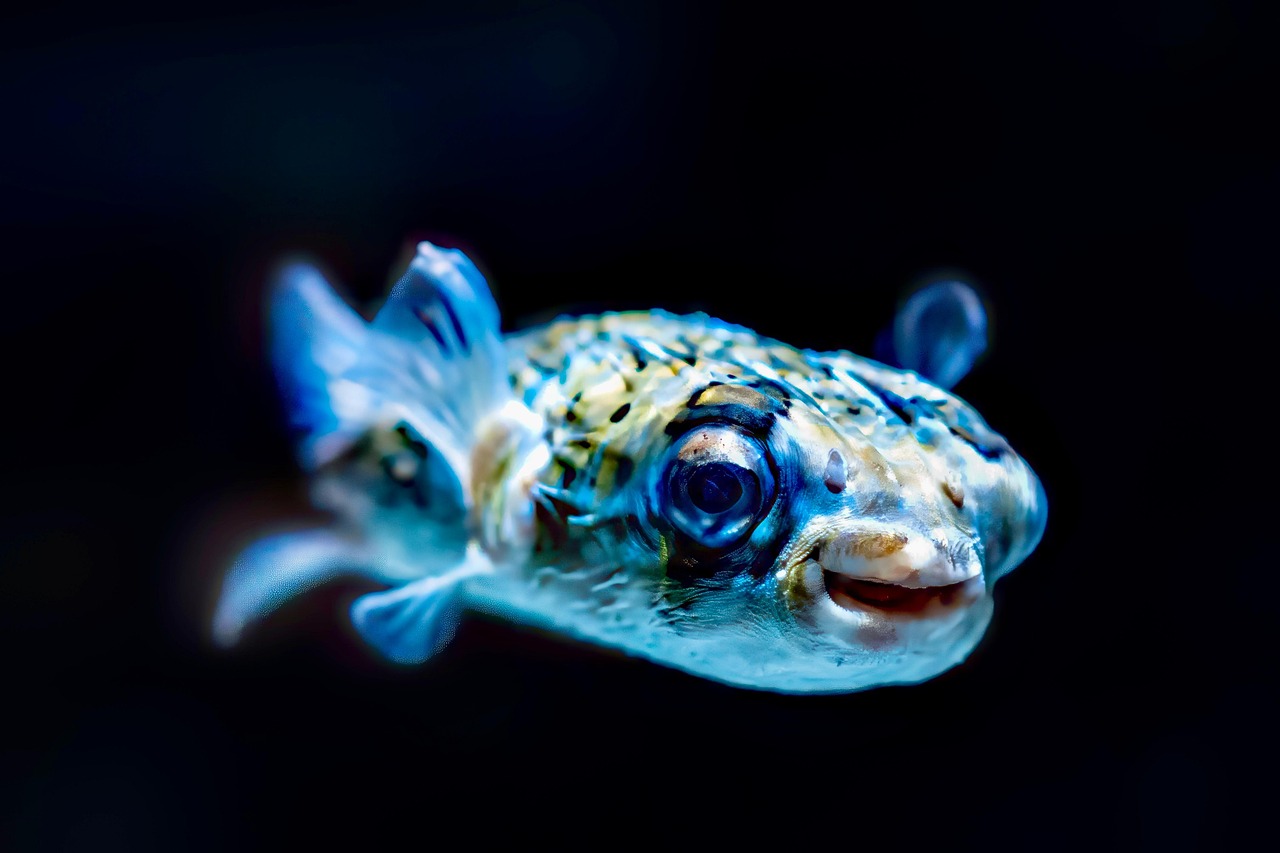
The medaka rice fish (Oryzias latipes) is having a moment. Once overshadowed by flashier species, this unassuming Japanese native has quietly built a devoted global following — and for good reason. Medaka are hardy, stunningly varied in colour, easy to breed and perfectly suited to Singapore’s warm climate. They are equally at home in a planted aquarium and an outdoor balcony tub, making them one of the most versatile fish in the hobby.
This medaka rice fish care guide covers everything from colour varieties and tank setup to breeding and outdoor keeping in Singapore conditions.
About Medaka Rice Fish
Medaka are small freshwater fish native to Japan, Korea, China and parts of Southeast Asia. In Japan, they have been kept as pets for centuries — the earliest records of medaka keeping date back to the 17th century. The name “rice fish” comes from their historical association with Japanese rice paddies, where they were commonly found.
Adults reach a modest 3–4 cm, making them ideal for nano tanks and small containers. Despite their diminutive size, they are remarkably hardy, tolerating temperature swings, varying water chemistry and conditions that would stress most tropical fish. In Japan, they survive outdoor winters near freezing; in Singapore, they handle our 28–32°C heat without complaint.
Medaka are surface-dwelling fish, spending most of their time in the upper third of the water column. They are peaceful, social and best kept in groups of six or more. With proper care, they live 2–4 years.
Colour Varieties
The medaka hobby has exploded with colour varieties, particularly in Japan where competitive breeding has produced an astonishing range of morphs. Here are the main categories:
| Variety | Description | Availability in SG |
|---|---|---|
| Orange (Himedaka) | Classic orange/gold, the most common variety | Very common |
| Platinum (Miyuki) | Metallic silver-white, highly reflective | Common |
| Lame/Sparkle | Glittering scales, iridescent sheen | Moderate |
| Blue (Aomedaka) | Steel blue colouration | Moderate |
| Black (Kuromedaka) | Dark black body | Common |
| Youkihi | Deep red-orange, more intense than standard orange | Moderate |
| Tricolour | Red, white and black (kohaku-style) | Less common, premium |
| Lame Miyuki (Full Body) | Platinum with full-body sparkle coverage | Premium, $10–$30+ per fish |
Prices range from $1–$3 SGD for common varieties to $10–$50+ SGD per fish for premium Japanese imports. The Singapore medaka community is growing rapidly, with dedicated breeders and sellers on Carousell and Facebook groups.
Tank and Tub Setup
Indoor Aquarium
Medaka are nano-friendly. A group of six can thrive in a 20-litre tank, though 40 litres or more gives better stability and room for breeding.
- Filtration: gentle — sponge filter ideal; medaka dislike strong currents
- Substrate: any — sand, gravel or aquasoil
- Plants: floating plants (Salvinia, duckweed, water lettuce) provide shade and egg-laying surfaces; submerged plants like Java moss and Hornwort give fry hiding spots
- Lighting: moderate; medaka appreciate some natural light
Outdoor Tub or Container
This is where medaka truly shine in Singapore. A simple outdoor container setup requires minimal equipment and produces vibrant, naturally coloured fish.
- Container: any waterproof vessel — ceramic pots, plastic tubs, styrofoam boxes (Japanese breeders traditionally use dark-coloured containers to enhance colour)
- Volume: minimum 10 litres, ideally 20–40 litres
- No filter needed — live plants and regular water changes handle waste
- Plants: floating plants are essential for shade and biological filtration
- Partial shade: direct Singapore sun heats small containers dangerously — use a partially shaded balcony spot
Water Parameters for Singapore
Medaka are extraordinarily tolerant. They accept a wide range of conditions, making them one of the easiest species to keep in Singapore.
| Parameter | Ideal Range |
|---|---|
| Temperature | 15–32°C (SG ambient is fine) |
| pH | 6.5–8.0 |
| Ammonia / Nitrite | 0 ppm |
| Nitrate | Below 30 ppm |
| GH | 5–20 dGH |
As always, treat PUB tap water with a chloramine-neutralising conditioner. For outdoor tubs, you can age water in a separate container for 24–48 hours with conditioner before adding it.
Medaka tolerate Singapore’s warm temperatures well, but in outdoor setups, prevent water from exceeding 34°C. Small dark containers in full sun can reach dangerous levels. Partial shade and floating plants are your best tools for temperature management.
Feeding
Medaka are omnivorous surface feeders with small mouths. Feed accordingly.
Recommended Foods
- Crushed flake food — the daily staple; crush finely for their small mouths
- Medaka-specific pellets — available from Japanese brands (tiny floating pellets)
- Live baby brine shrimp — excellent for conditioning breeders and raising fry
- Frozen daphnia and cyclops — good supplemental food
- Powdered spirulina — sprinkled on the surface, enhances colour
In outdoor tubs, medaka supplement their diet with mosquito larvae, algae and microorganisms that naturally develop in the container. This live food diversity contributes to excellent colouration and health.
Feed once or twice daily in small amounts. Medaka have tiny stomachs — overfeeding fouls water quickly, especially in small containers.
Breeding
Medaka are prolific and easy breeders. In Singapore’s warm climate, they breed virtually year-round.
The Breeding Process
- Mature females develop a rounded belly when carrying eggs
- After fertilisation, the female carries a cluster of eggs attached to her belly for several hours — this distinctive “grape cluster” appearance is unmistakable
- She eventually deposits the eggs on fine-leaved plants, moss or a spawning mop
- Eggs hatch in 7–14 days depending on temperature (faster in Singapore’s warmth)
- Fry are tiny but free-swimming immediately
Raising Fry
- Separate eggs or fry — adult medaka will eat their own fry
- Feed fry with powdered food, infusoria or crushed spirulina for the first week, then transition to baby brine shrimp
- Fry grow quickly in warm water and can reach adult size in 2–3 months
- Colour develops fully over several weeks — patience is needed for colour-bred varieties
Breeding specific colour strains is where the hobby gets addictive. Separating different varieties prevents crossbreeding, which reverts offspring to wild-type colouration over generations.
Outdoor Keeping in Singapore
Medaka keeping on HDB balconies and condo patios is a growing trend in Singapore. The setup is simple, attractive and low-maintenance.
Balcony Tub Setup Tips
- Use dark-coloured containers — enhances medaka colour (Japanese breeders swear by black containers)
- Position in partial shade — morning sun with afternoon shade is ideal
- Add floating plants generously — water lettuce, Salvinia or Azolla provide shade, filtration and breeding surfaces
- Cover with mesh — prevents birds, cats and debris; also keeps mosquitoes from becoming a NEA concern
- Monitor water level — evaporation is rapid in Singapore; top up with conditioned water regularly
- Add snails — Malaysian trumpet snails or ramshorn snails help control algae and break down waste
The Walstad method (soil-based, low-tech planted container) works beautifully for outdoor medaka keeping. A well-established tub with healthy plant growth can go weeks between water changes.
Health Concerns
Medaka are among the hardiest freshwater fish, but they are not invincible.
Columnaris
A bacterial infection causing white, cotton-like patches on the mouth or body. Common in warm water (above 28°C) with poor hygiene. Treat with antibacterials and improve water quality.
Parasites
Ich and velvet can affect medaka, though they are more resistant than many tropical species. Quarantine new fish before adding them to established colonies.
Overheating
In outdoor containers, temperatures above 34°C cause lethargy and can be fatal. Shade, adequate water volume and floating plants prevent this.
Frequently Asked Questions
Are medaka the same as guppies?
No. Despite superficial similarities in size and ease of care, medaka (Oryzias latipes) and guppies (Poecilia reticulata) are entirely different species from different continents. Medaka are egg-layers; guppies are livebearers. Medaka are surface-dwellers; guppies occupy all levels. Both are excellent beginner fish.
Can I keep medaka with shrimp?
Yes. Medaka are excellent tank mates for cherry shrimp and other Neocaridina species. They may eat very small baby shrimp, but dense moss and hiding spots allow enough shrimp fry to survive for a self-sustaining colony. This combination works brilliantly in both indoor tanks and outdoor tubs.
How many medaka can I keep in a small container?
A rough guideline is one medaka per 2–3 litres in a filtered setup, or one per 3–5 litres in an unfiltered outdoor container with plants. A 20-litre tub comfortably houses 5–8 medaka. Overstocking leads to poor water quality and disease, so err on the side of fewer fish.
Do medaka need a heater in Singapore?
No. Singapore’s ambient temperature of 28–32°C is well within the medaka’s tolerance range. No heater is needed for indoor or outdoor setups. If anything, the concern in Singapore is overheating in small outdoor containers — manage this with shade and floating plants.
If you are interested in another small, colourful species for nano setups, our stiphodon goby care guide covers a fascinating alternative with very different requirements.
Start Your Medaka Journey
Medaka rice fish are the perfect entry point for aquarium hobbyists and a deeply rewarding species for experienced keepers exploring colour breeding. Whether you want a desktop nano tank or a balcony tub garden, visit Gensou at 5 Everton Park or get in touch. Our team has over 20 years of experience helping Singapore hobbyists at every level.
Related Reading



