
Rio Xingu Biotope Tank Setup: Pleco and Tetra Hotspot
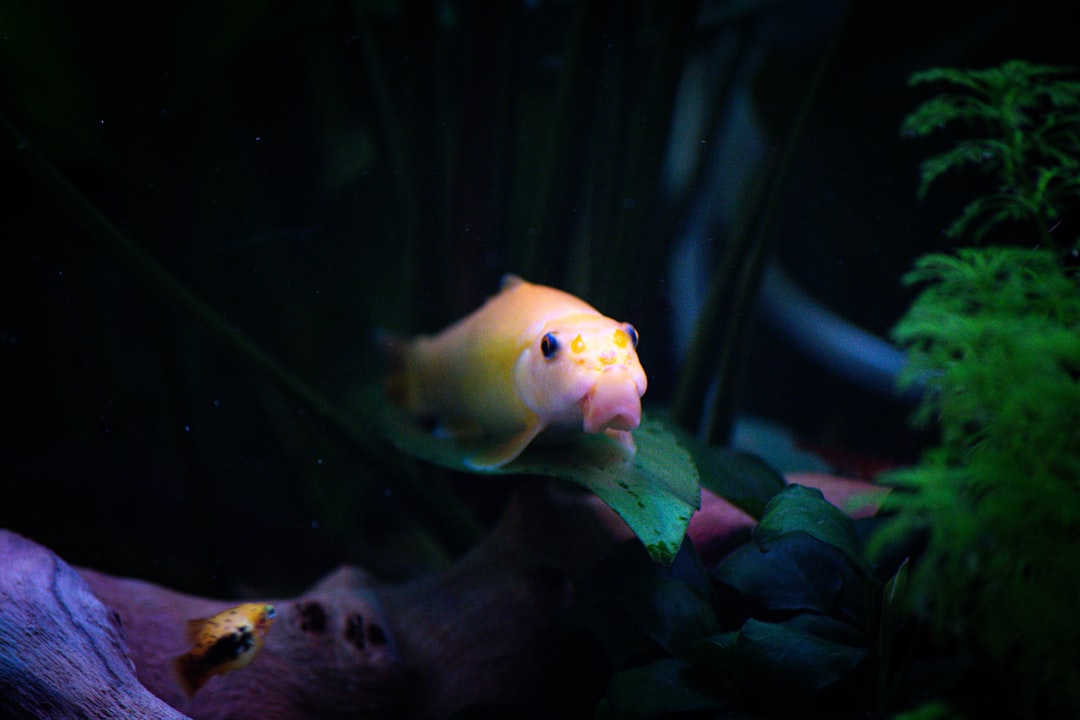
The Rio Xingu in northern Brazil is one of the most biologically distinctive stretches of the Amazon basin, famous among aquarists as the home of Hypancistrus zebra and a rogues’ gallery of endemic plecos. A faithful rio xingu biotope tank setup reproduces warm, fast, clear water flowing over sun-bleached boulders, with minimal plants and a palette dominated by sand, stone, and the striking contrast of zebra-striped catfish. This guide from Gensou Aquascaping at 5 Everton Park covers the hardscape, chemistry, and stocking that make this biotope work in a Singapore home.
Quick Facts
- Tank size: 120 cm or larger for a pleco-focused community
- Water: pH 6.4-7.0, GH 2-5, KH 1-3, TDS 60-120 ppm
- Temperature: 28-30 C (Xingu runs warm year-round)
- Substrate: fine yellow-brown sand, 3 cm deep
- Hardscape: rounded smooth boulders and slate, minimal driftwood
- Flow: 10-15x turnover with river current simulation
- Plants: typically none; the Xingu rapids are rock-dominated
Understanding the Xingu
The Xingu is a clearwater tributary, not a blackwater one. Visibility is high, substrate is coarse sand and rounded stones polished by centuries of rapids, and the current is relentless. Water temperature ranges from 28 to 32 C in the dry season, which is one of the few Amazon biotopes that suits Singapore’s ambient temperature without a chiller.
The Belo Monte dam has altered the river’s natural flow dramatically since 2015, making wild populations of zebra pleco critically endangered. All responsibly sourced fish in Singapore today are F1 or F2 captive-bred.
Water Chemistry and RO Mixing
Soft and slightly acidic is the target. Singapore tap at GH 2-4 is already close, but chloramine and unstable KH make an RO/DI blend the safer option. A 70 percent RO and 30 percent tap mix, remineralised lightly with Seachem Equilibrium to GH 3, hits the numbers consistently.
Avoid peat or excess botanicals; this is clearwater, not blackwater. If tannins leach from minor driftwood pieces, run activated carbon in the filter to keep the water visually bright.
Hardscape: Boulders, Slate, Caves
Use rounded river stones, large smooth cobbles, and flat slate. Avoid Seiryu or sharp-edged Ohko; the Xingu’s rocks are weathered smooth. Arrange piles to create horizontal caves 2-3 cm high and 10-15 cm deep, which is the precise shelter profile Hypancistrus species claim for spawning.
Leave at least half the tank footprint as open sand. Xingu plecos hunt across sand flats between rock outcrops, and the open sight lines reduce aggression between males.
Pleco Species for the Biotope
The headline fish is Hypancistrus zebra (L046), with captive-bred juveniles running $180-300 locally. Budget more relaxed alternatives include Hypancistrus L260 (Queen Arabesque), L066 (King Tiger), and L333. Each needs its own cave; count on one cave per pleco plus two spares.
Baryancistrus xanthellus (L018 gold nugget) adds scale and colour but tops 25 cm and needs 180 cm of tank. Panaque species from other rivers are not Xingu natives and break biotope authenticity.
Tetras and Dither Fish
The Xingu hosts vibrant tetras that dither beautifully for the plecos below. Hyphessobrycon copelandi, Moenkhausia oligolepis, and the stunning Hemigrammus bleheri (rummynose tetra, technically more common in the Rio Negro but widely accepted) all suit the temperature and current.
Shoals of 15-25 hold tight formations against the flow and look authentic. Small tetras like cardinals get blown around by the strong current and struggle; stick to fish 4 cm and above.
Flow, Oxygenation, and Filtration
Xingu flow is relentless. A canister rated 6-8x turnover is the baseline, then add a powerhead or wavemaker to push total water movement to 10-15x. Aim the return along the back glass so it runs the length of the tank and sweeps past the rock caves.
High oxygen matters as much as high flow, especially at 29 C. Surface agitation should be vigorous. An airstone running through the night insures against oxygen crashes during power dips.
Feeding the Xingu Community
Hypancistrus species are carnivores despite their pleco body plan; feed them sinking carnivore pellets (Repashy Spawn and Grow, Hikari Carnivore Sticks), frozen bloodworm, and the occasional mussel chunk. Avoid algae wafers as a staple; zebras ignore them and they rot on the sand.
Tetras take a standard micro-pellet plus frozen daphnia and baby brine. Feed lightly; the high flow makes overfeeding particularly risky as uneaten food lodges in rockwork.
Long-Term Maintenance and Breeding
A mature rio xingu biotope tank setup is one of the more productive pleco breeding environments you can build. Pairs of H. zebra often spawn within the first year if water temperature stays at 29-30 C, KH is held at 1-2, and a small dose of cooler RO water is added weekly to mimic the rainy season drop.
Monthly rockwork cleaning is critical. Detritus accumulates beneath boulders and crashes nitrate if ignored. Lift stones during every second water change and siphon the sand beneath.
Related Reading
Amazon Clearwater Biotope Aquascape
Biotope Aquarium Guide
Blue Phantom Pleco Care Guide
Gold Nugget Pleco Care Guide
Best Aquarium Breeding Cave Pleco



