
Rio Negro Blackwater Biotope Guide: Cardinal Tetra Habitat
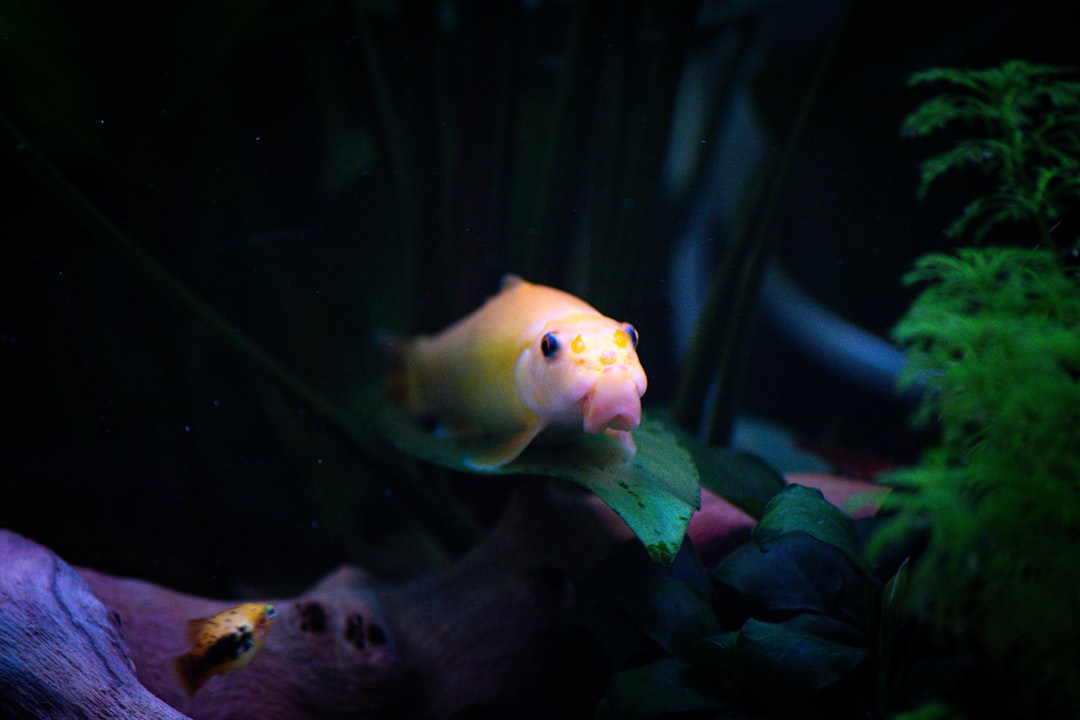
The Rio Negro is the largest blackwater river in the world, a tea-coloured highway running for 1,400 km through flooded forest and feeding the Amazon near Manaus. Its waters are so soft and so acidic that traditional fish biology says nothing should live there, yet it holds one of the richest tetra communities on the planet. This rio negro blackwater biotope guide from Gensou Aquascaping at 5 Everton Park covers the water chemistry, leaf litter, driftwood, and species that bring cardinal tetra habitat to life in a Singapore tank.
Quick Facts
- Tank size: 90 cm minimum, 120 cm preferred for a flooded forest feel
- Water: pH 4.5-6.0, GH 1-3, KH 0-1, TDS 20-60 ppm
- Temperature: 27-29 C (matches Singapore ambient)
- Substrate: fine silver-grey sand, 2-3 cm deep
- Key materials: Malaysian driftwood, oak/catappa leaves, seed pods
- Lighting: dim, warm, filtered through tannin-stained water
- Flow: gentle; the Rio Negro’s flooded forest zones are almost stagnant
What Makes Blackwater Different
Rio Negro water is stained by humic and fulvic acids leaching from decomposing forest litter. The tannins depress pH below 5, lock up calcium and magnesium to near-zero, and form a biochemical environment most tropical fish cannot survive in. The species that live there are specialists, evolved to osmoregulate in near-ion-free water.
This is not water you can produce with a splash of peat. True blackwater needs RO/DI water, almost no remineralisation, and sustained botanical input over months to build up the humic compounds that benefit the fish.
Water Chemistry and Preparation
Start with 100 percent RO/DI water. Do not remineralise. Add 4-6 catappa (Indian almond) leaves per 100 litres and a handful of alder cones, and let the tank mature for 2-3 weeks before stocking. Test pH weekly; it should drift from neutral down to 5.5 by the end of that period.
KH will read zero, which alarms beginners. In blackwater, that is correct. Stability comes from the buffering of the humic acids themselves, not from carbonate hardness. Disturb this with tap water top-offs and the tank crashes.
Hardscape: Flooded Forest Look
The Rio Negro biotope is defined by submerged roots, fallen branches, and leaf drifts. Use Malaysian driftwood or spider wood arranged at 30-45 degree angles, as if trees have toppled into the water. Add 2-3 cm of leaf litter across at least half the substrate: a mix of catappa, oak, beech, and guava leaves gives colour and texture variation.
Rocks are unusual in this biotope and break the illusion. Skip them entirely. A single bogwood stump as a focal piece plus layered branches does more for the scape than any stone.
Cardinal Tetra and Classic Species
The flagship is Paracheirodon axelrodi, the cardinal tetra. Wild Rio Negro stock is still imported seasonally to Singapore at $1.50-3 each. A shoal of 40-60 in a 120 cm tank looks extraordinary against dark water and leaf litter, and they will colour up deeper red than any captive-bred line.
Support species: Hemigrammus bleheri (rummynose tetra) for midwater activity, Apistogramma agassizii or A. mendezi as a dwarf cichlid focal point, and Corydoras adolfoi or C. duplicareus on the sand. Farlowella acus adds a twig-catfish element that looks perfect against driftwood.
Lighting and Plants
Low, warm lighting is authentic. A 6500 K LED dimmed to 20-30 percent, or warmer 3500-4500 K fixtures, push the tank toward the amber glow of tannin-stained water under forest canopy. Photoperiod of 6-8 hours is plenty.
Plants are optional and should be kept minimal. Helanthium tenellum, a few Echinodorus species, or tied-on moss tolerate the low pH. Most Rio Negro biotopes skip plants entirely and rely on leaves and wood for visual interest.
Filtration and Flow
A canister rated 4-5x turnover, with the return diffused through a spraybar or lily pipe, gives gentle forest-floor flow. Strong current displaces leaves and stresses tetras. Fill the canister with biological media and a small bag of peat granules; avoid activated carbon, which strips tannins.
Seed the filter from an established tank if possible. Low-pH blackwater cycles slowly because nitrifying bacteria work sluggishly below pH 6, so a mature sponge from another system cuts the wait significantly.
Maintenance and Troubleshooting
Weekly water changes of 20 percent using pre-matured RO with a few catappa leaves steeped in advance keep parameters stable. Top up evaporation with pure RO; never tap water. Replace leaf litter as it decomposes, aiming for a fresh layer every 4-6 weeks.
If fish show signs of fin clamping or dull colour, test TDS first. A drift above 80 ppm suggests detritus buildup. Siphon gently around the leaves (not through them) and do an additional small water change.
Seasonal Behaviour and Breeding
Cardinal tetras spawn seasonally in the wild during the high-water flood period when pH drops further. A well-run rio negro blackwater biotope guide setup can trigger this with a 30 percent cool RO water change, pushing the pH from 5.5 down to 4.8 briefly. Fry appear among the leaf litter if predators are absent.
Expect the tank to mature aesthetically at month 3-4. Botanicals soften, biofilm coats wood, and the water takes on its deepest amber tone. That is when the biotope finally looks like the Rio Negro rather than a new setup.
Related Reading
Blackwater Aquarium Setup Guide
Cardinal Tetra Care Guide
Apistogramma Agassizii Care Guide
Best Aquarium Catappa Indian Almond Leaves
Amazon Biotope Aquarium



