
Rosy Tetra Care Guide: Soft Pink Elegance in Schools
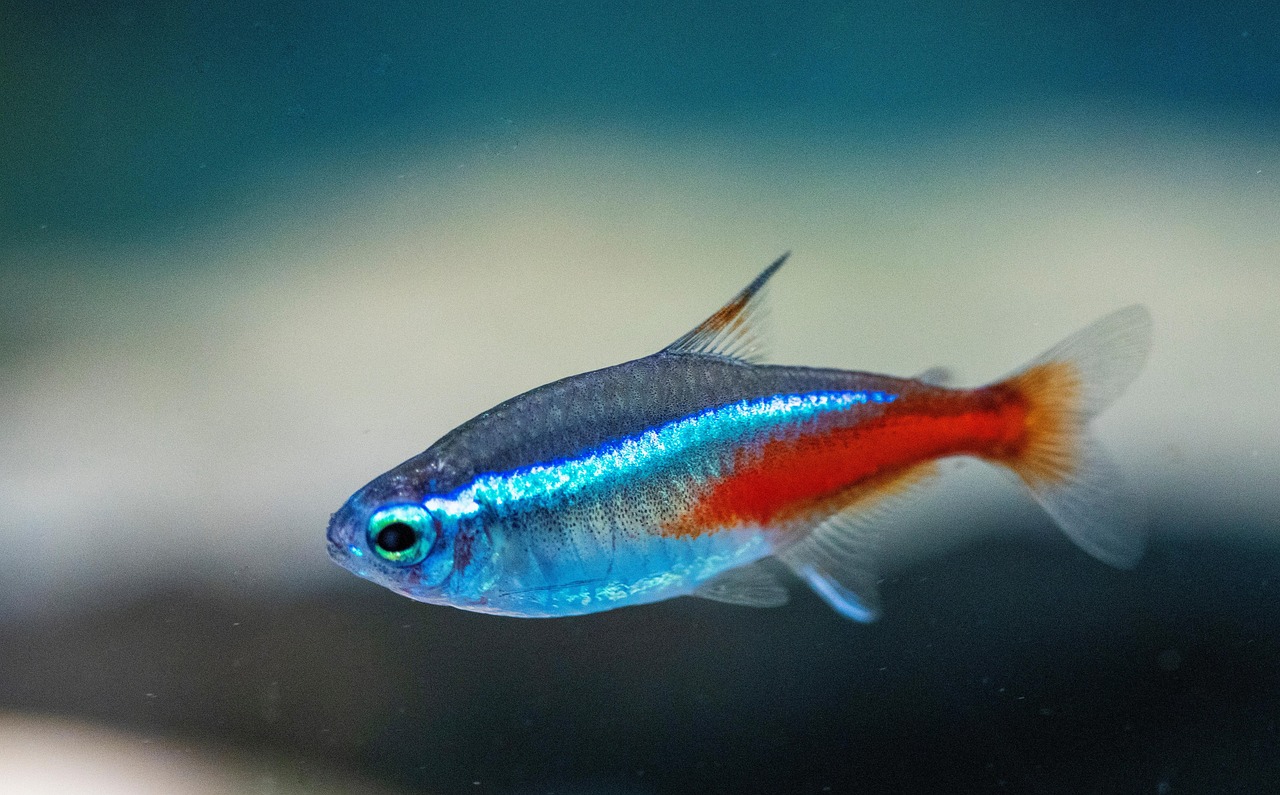
Subtle does not mean boring. The rosy tetra proves that understated colour can be just as captivating as neon flash, and this rosy tetra care guide shows you how to bring out the best in Hyphessobrycon rosaceus. With a translucent salmon-pink body, black-tipped dorsal fin and a graceful diamond shape, a well-kept school of rosy tetras transforms a planted aquarium into something genuinely elegant. Gensou Aquascaping in Singapore recommends this species for hobbyists seeking a refined community fish that thrives in our local water conditions with minimal fuss.
Species Profile
Hyphessobrycon rosaceus comes from the slow-moving tributaries and flooded forests of Guyana and Brazil. Adults reach 4-5 cm, with males slightly larger and sporting a more prominent, flag-like dorsal fin. The body colour ranges from translucent peach in subdued conditions to a deep rosy pink when the fish is healthy, well-fed and comfortable. A close relative, the white-fin rosy tetra, differs mainly in dorsal coloration but shares identical care requirements. Both are sometimes sold interchangeably in local shops, so inspect dorsal fin markings if the distinction matters to you.
Tank Requirements
Eight to twelve rosy tetras fit comfortably in a 75-litre aquarium, though a 100-litre planted tank is preferable for a mixed community. Provide clusters of stem plants and broad-leaved species like Echinodorus along the tank perimeter, leaving the central area open for schooling. Gentle to moderate water flow mimics their natural blackwater habitat. Floating plants such as Salvinia or water lettuce dim the light and encourage the fish to display deeper colours. A dark substrate brings out their pinkish hue far better than pale gravel.
Water Parameters
Rosy tetras prefer soft, slightly acidic water with a pH of 6.0-7.2 and GH of 2-8. Singapore’s tap water, after dechlorination, matches these parameters almost exactly, making this one of the easiest species to keep locally without any buffering adjustments. Temperature should sit between 24 °C and 28 °C, well within the ambient range of most Singaporean homes. Add Indian almond leaves or driftwood to introduce natural tannins; the slightly tea-coloured water not only looks beautiful but also replicates the fish’s native environment and supports their immune system.
Diet
Rosy tetras eat virtually anything offered. A staple of quality micro pellets or flake suits them well, with frozen brine shrimp, daphnia and bloodworms offered as supplements two to three times weekly. Colour-enhancing foods containing astaxanthin noticeably deepen the rosy pigmentation within a few weeks. Live foods like grindal worms and baby brine shrimp keep the fish in peak condition, especially if you intend to breed them. Feed small amounts twice daily, ensuring all fish in the school get their share without excess food settling on the substrate.
Behaviour and Tankmates
Rosy tetras rank among the most peaceful schooling fish in the hobby. They rarely nip fins and spend most of their time drifting in a loose school through the mid-water zone. Males occasionally spar by flaring their dorsal fins at each other, but these displays are harmless and visually appealing. Excellent companions include corydoras catfish, otocinclus, kuhli loaches, ember tetras, harlequin rasboras and dwarf gouramis. They are fully compatible with Neocaridina and Caridina shrimp in planted setups, as they rarely bother anything they cannot swallow.
Breeding
Breeding rosy tetras requires a separate 20-30 litre tank with very soft water at pH 6.0-6.5, GH below 4, and a temperature of 26-27 °C. Dim the lights and provide fine-leaved plants or a spawning mop. Condition a pair on live foods for a week, then introduce them to the breeding tank in the evening. Spawning typically occurs at dawn. Females release 150-300 eggs that fall among the plants. Remove adults promptly to prevent egg predation. Eggs hatch within 24-36 hours, and fry are free-swimming by day four. Start feeding infusoria, graduating to baby brine shrimp within a week.
Common Issues and Lifespan
Rosy tetras are hardy and rarely fall ill when water quality is maintained. Ich is the most common ailment, usually triggered by temperature fluctuations during Singapore’s rare cool spells or after transport. Fin rot can appear if nitrate levels creep above 40 ppm. A well-maintained school lives 5-6 years. These fish are widely available at Singapore aquarium shops and online on Shopee for around $1.50-$3 each, making it affordable to purchase a proper school of ten or more. Few community fish offer this combination of elegance, ease of care and compatibility at such an accessible price point.
Related Reading



