
Scooter Blenny and Dragonet Care Guide: Less Demanding Mandarin Alternative
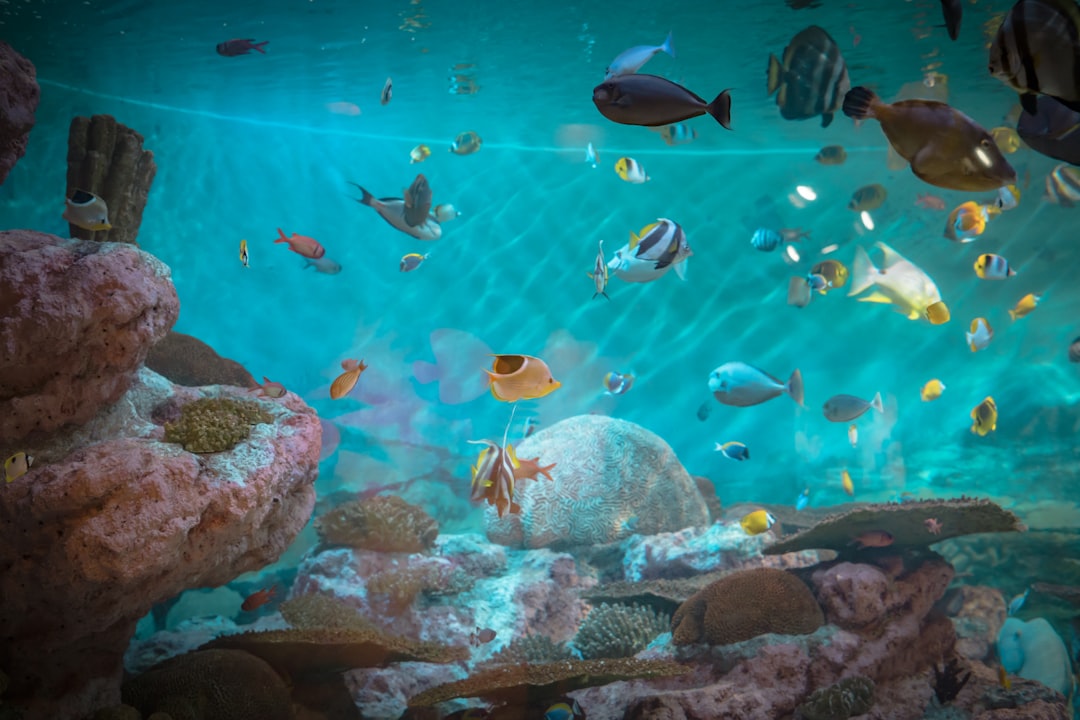
Scooter blennies are not actually blennies — they are dragonets in the genus Synchiropus, closely related to mandarins but with markedly more forgiving captive behaviour. This scooter blenny dragonet care guide from Gensou Aquascaping at 5 Everton Park explains why Synchiropus ocellatus is the right entry point for reefkeepers attracted to mandarin charm but not ready for the copepod logistics. They retain the bottom-hopping, prey-stalking behaviour that makes dragonets enjoyable to watch, while accepting frozen food far more readily.
Quick Facts
- Scientifically Synchiropus ocellatus (ocellated scooter) or S. picturatus (spotted mandarin)
- Grows to 8-10cm, adult size reached by month 12-18
- Minimum tank 100L established with live rock and sand
- Most individuals transition to frozen mysis and brine shrimp within 2-4 weeks
- Still benefits from live copepod supplementation but does not depend on it
- Reef safe with all corals, inverts, and most fish
- Singapore pricing $25-60 SGD from most marine shops
Why a Scooter over a Mandarin
Mandarin dragonets demand continuous live copepod populations and many refuse frozen food entirely. A 300-litre mature reef with a thriving sump refugium can support a mandarin; a 100-litre nano reef cannot. Scooters occupy a middle ground: the same hunting behaviour, same character, but they learn to eat frozen food with modest training effort.
For a first dragonet in a reef under 300 litres, the scooter is simply the right choice. Mandarins come later, in a larger system with established pod production.
Species and Appearance
The common scooter blenny, Synchiropus ocellatus, has mottled brown-tan camouflage and bold dorsal fin markings. The more colourful S. picturatus (spotted or pictured mandarin) carries the vivid mandarin patterning but still eats more readily than S. splendidus. Both are sold as scooters or scooter dragonets in Singapore shops.
Males have taller, more flag-like first dorsal fins. Females are smaller and more cryptically marked. A single male with one or two females works in a suitably sized tank; two males in a 100L tank almost always ends with the subordinate male stressed.
Tank Setup
A mature tank with established live rock, sand bed, and visible pods is the right foundation. An aquarium running less than four months usually does not have the micro-fauna a scooter needs during the adjustment period. Wait until you see amphipods hopping through rock rubble at night before adding the fish.
Sand substrate suits their resting behaviour; they perch on sand with pectoral fins braced, watching for passing prey. Bare-bottom tanks are workable but less natural. Provide rubble rock with crevices where pods breed.
Water Parameters
Standard reef conditions: salinity 1.025-1.026, temperature 24-26°C, pH 8.1-8.4. They tolerate nitrate up to 20 ppm comfortably, making them compatible with mixed reefs running moderate nutrient levels. A chiller is required for Singapore ambient conditions unless the tank is already temperature-controlled.
Feeding Transition
The training process is where patience pays off. For the first two to three weeks, provide live copepods via weekly orders or an attached refugium, alongside frozen mysis offered at the same time every day. The scooter learns that the feeding spot produces food and begins investigating the frozen offerings.
Within 2-4 weeks, most individuals take small pieces of thawed mysis directly. Once this transition is established, the pod dependency reduces significantly, though ongoing pod availability keeps the fish healthy long-term. Target-feed with a long pipette near the scooter to reduce competition from faster fish.
Tankmates
Peaceful tankmates that do not outcompete slow feeders work best. Clownfish, small gobies, cardinalfish, and dwarf angels are compatible. Avoid aggressive feeders like wrasses and tangs that hoover up mysis before the scooter reaches it, or position the scooter’s feeding point during the last moments of feeding when other fish have had their fill.
Two scooters of opposite sex work well in a 150L+ tank. Two males require 300L+ and plenty of territory to avoid conflict.
Behaviour and Observation
Scooters spend most of their day perched on rock ledges or sand, darting out to pick at passing prey. Their distinctive pectoral fin walking is mesmerising to watch, and they develop recognisable routines within a few weeks. They sleep tucked into rock crevices at night.
Unusual behaviour to watch for: rapid gilling suggests parasites or low dissolved oxygen. Refusal to leave a single spot for 48+ hours suggests bullying or illness. Loss of condition in the flank (hollow belly) indicates under-feeding and needs immediate attention.
Copepod Supplementation
Even scooters that eat frozen well benefit from periodic pod boosts. Tisbe copepods from local hobbyist cultures or imported bottles run $15-30 SGD and dose once a month to replenish tank pod populations. A small HOB refugium with chaetomorpha provides continuous pod recruitment and is the most cost-effective long-term solution.
Health and Longevity
Scooters in good condition live 5-7 years in captivity. They are generally parasite-resistant because they feed on small prey and do not spend time at the surface. Standard quarantine of 3-4 weeks is reasonable but they rarely require copper treatment.
The most common cause of loss is slow starvation during a failed frozen transition. If after 6 weeks of effort the scooter has not accepted frozen food, maintain strong pod populations and commit to that feeding strategy rather than stressing the fish with continued forcing.
Sourcing in Singapore
Scooters appear regularly at Iwarna Aquafarm, Seaview Aquarium, and most shops around Pasir Ris Farmway. Prices run $25-60 SGD, with coloured picturatus variants at the higher end. Always watch the fish feed in the shop tank before purchase; a scooter already eating frozen in the shop transitions easily to your home.
Related Reading



