
Spotted Congo Puffer Care Guide: Tetraodon Schoutedeni
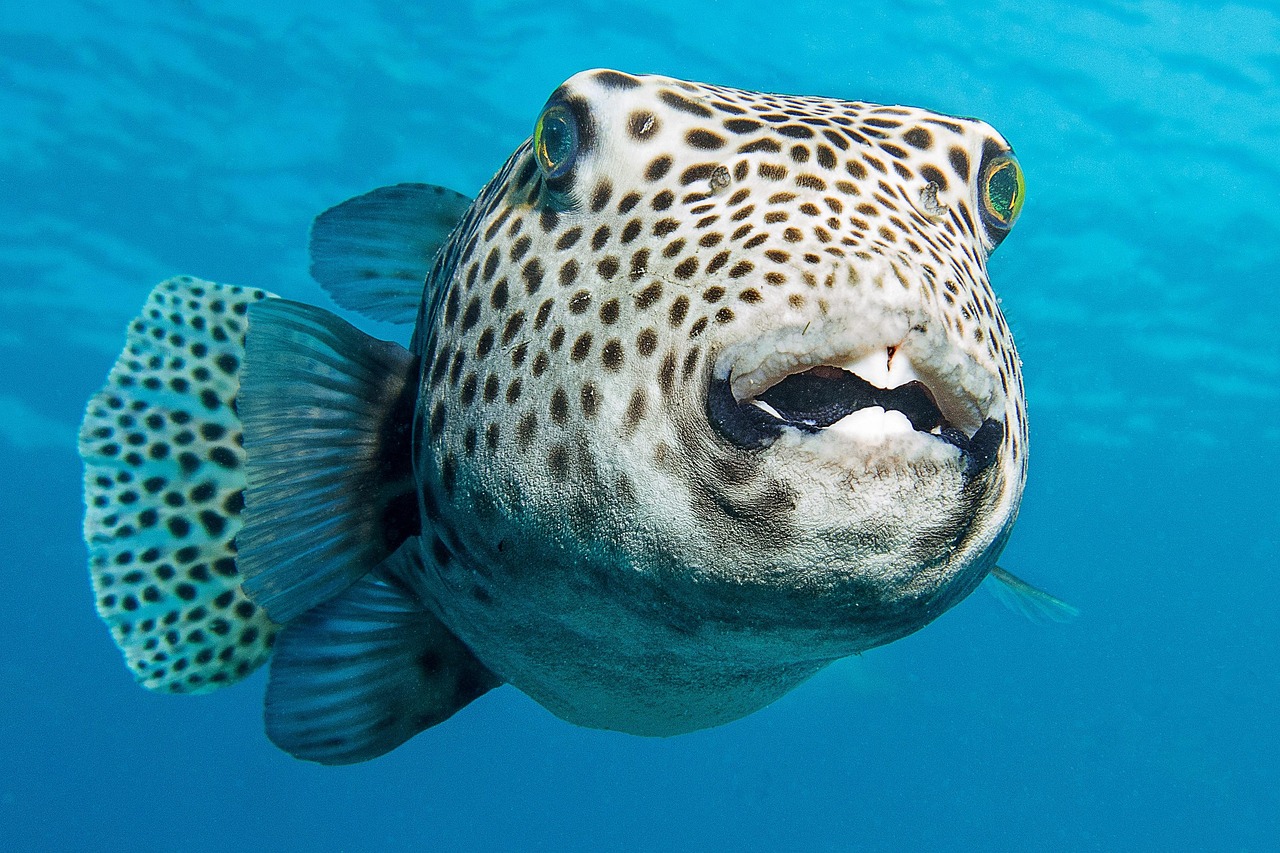
The spotted Congo puffer is one of the few truly community-friendly freshwater pufferfish. Unlike its nippy cousins, Tetraodon schoutedeni is generally peaceful toward tankmates and does not require a species-only setup. This spotted congo puffer care guide from Gensou Aquascaping at 5 Everton Park, Singapore covers the essentials of keeping this charismatic and intelligent fish.
Species Background
Tetraodon schoutedeni originates from the Congo River basin in central Africa. Adults reach 8-10 cm and display a pattern of dark spots over a golden-tan body, becoming more vivid with age and good care. Their large, expressive eyes and curious behaviour make them one of the most engaging fish to watch. They recognise their keeper and often beg for food at the front glass, a behaviour puffer enthusiasts call “glass surfing.”
Tank Requirements
A single spotted Congo puffer needs a minimum of 80 litres. For a pair or trio, 150 litres is more appropriate. Provide plenty of visual barriers using driftwood, rocks and dense plants. Despite their peaceful reputation, individuals vary in temperament, and line-of-sight breaks reduce any potential tension between specimens.
Sand or fine gravel substrate works best. These puffers occasionally sift through the substrate searching for food, and coarse gravel can damage their sensitive skin. A secure lid is essential because puffers can and do jump, especially when startled.
Water Parameters
Maintain pH at 6.5-7.5, GH 5-15, KH 3-8 and temperature at 24-26 degrees C. These are adaptable fish that tolerate a moderate range of conditions. Singapore’s PUB tap water, after dechlorination, falls within acceptable parameters. A slight mineral supplement to raise GH to 6-8 benefits long-term health.
Weekly water changes of 30-40 percent are important. Puffers are messy eaters, and protein-rich foods can spike ammonia quickly in smaller tanks. Robust filtration rated above the tank volume is strongly recommended.
Diet and Dental Care
Feeding is where puffer keeping gets interesting. Spotted Congo puffers need a diet of hard-shelled foods to wear down their continuously growing beak-like teeth. Offer snails (ramshorn, Malaysian trumpet and pond snails), frozen shellfish, mussels, cockles and shrimp with the shell on. Supplement with frozen bloodworm and chopped earthworm for variety.
Feed daily, but only as much as the puffer consumes in five minutes. Overgrown teeth are a serious health issue in captive puffers, eventually preventing them from eating altogether. If teeth become overgrown despite a proper diet, a veterinarian experienced with fish can trim them under sedation, though this is rarely needed with adequate snail feeding.
Temperament and Tankmates
Spotted Congo puffers are the mildest pufferfish commonly available. They can coexist with robust, fast-moving tankmates such as Congo tetras, larger rainbowfish and synodontis catfish. Avoid slow-moving, long-finned species like bettas and fancy guppies, whose trailing fins invite nipping. Shrimp and small snails will be treated as food rather than companions.
Keep an eye on individual personality. Roughly one in five spotted Congo puffers shows more aggressive tendencies than the norm. If a particular specimen persistently harasses tankmates, it may need to be housed alone or rehomed.
Health and Common Issues
Puffers are scaleless fish, making them more susceptible to skin infections and parasites than scaled species. They are also sensitive to many common medications. Avoid copper-based treatments entirely. For ich or external parasites, heat treatment (gradually raising temperature to 30 degrees C for ten days) combined with aquarium salt at 2 grams per litre is a safer approach.
Internal parasites are common in wild-caught specimens. A preventive deworming course during quarantine, using praziquantel-based food, addresses most intestinal parasites effectively.
Sourcing in Singapore
Spotted Congo puffers appear sporadically in Singapore’s aquarium trade. Prices range from $25 to $50 per fish depending on size and availability. Check with specialist shops and online sellers on Carousell. Because imports are irregular, buy when you see healthy specimens rather than waiting for a better price. Quarantine all new arrivals for three to four weeks before adding them to your display tank.
Related Reading
- Congo Tetra Care Guide: Iridescent Giants of the Tetra World
- Dwarf Pea Puffer Tank Mates: Who Can Survive With a Micro Predator?
- Dwarf Puffer vs Pea Puffer: Are They the Same Fish?
- How to Breed Indian Dwarf Puffers: Conditioning and Fry Care
- Indian Dwarf Puffer Care Guide: Tiny Predator With Huge Character



