
Sulawesi Shrimp Care Guide: Rare Jewels From Ancient Lakes
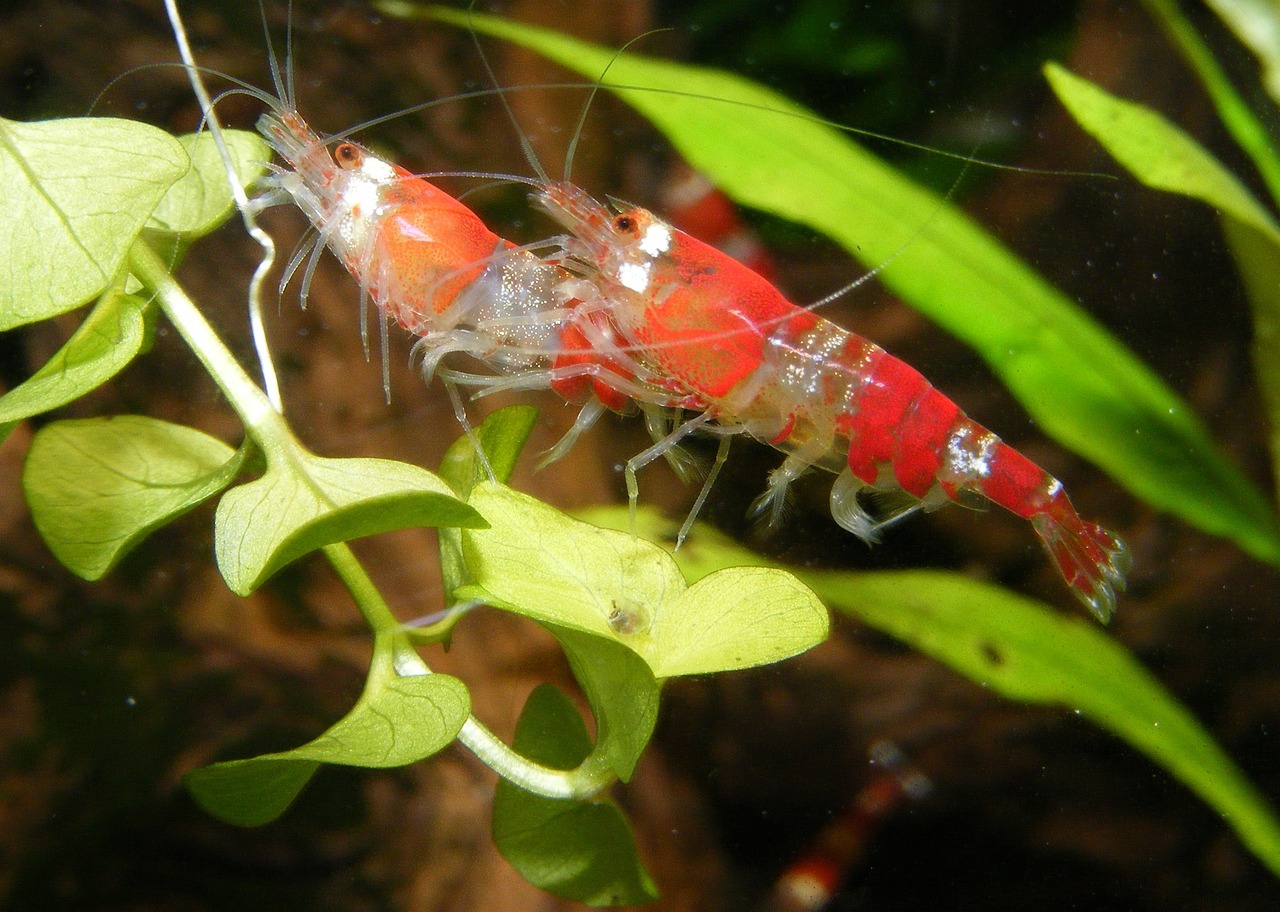
Table of Contents
- Introduction
- Species Overview and Origin
- Popular Sulawesi Shrimp Species
- Tank Setup and Water Parameters
- Feeding and Diet
- Behaviour and Temperament
- Compatible Tank Mates
- Breeding Sulawesi Shrimp
- Common Health Issues
- Frequently Asked Questions
- Conclusion
Introduction
Sulawesi shrimp are among the most beautiful and enigmatic freshwater invertebrates available to hobbyists. Hailing from the ancient tectonic lakes of Sulawesi, Indonesia, these tiny, vibrantly coloured shrimp have captured the imagination of the global shrimp-keeping community—and for good reason. Their jewel-like patterns, fascinating evolutionary history, and specialised care requirements make them the ultimate challenge for dedicated aquarists. This Sulawesi shrimp care guide provides a comprehensive roadmap for successfully keeping and breeding these remarkable creatures. This guide sits inside our broader Tropical Fish Species Master Index reference.
At Gensou, our aquascaping studio at 5 Everton Park, Singapore, we have worked with Sulawesi shrimp for many years and understand the unique demands they place on their keepers. Singapore’s proximity to Indonesia gives us a distinct advantage in sourcing healthy specimens, but keeping them alive and thriving still requires careful attention to detail. This guide shares what we have learned over more than two decades in the hobby.
Species Overview and Origin
Sulawesi shrimp belong to the genus Caridina and are endemic to a handful of ancient tectonic lakes on the Indonesian island of Sulawesi (formerly Celebes). The most important of these lakes are Lake Poso, Lake Matano, Lake Towuti, Lake Mahalona, and Lake Masapi. These lakes are among the oldest in the world—Lake Matano, for instance, is estimated to be between one and four million years old—and have developed unique ecosystems found nowhere else on Earth.
The water in these lakes is warm, alkaline, and mineral-rich, with a remarkably stable chemistry that has remained consistent for millennia. Sulawesi shrimp have evolved to thrive in these very specific conditions, which is why replicating their natural habitat in the home aquarium is both critical and challenging.
Conservation Concerns
Many Sulawesi shrimp species are considered vulnerable or endangered due to habitat degradation, invasive species, and nickel mining around Lake Matano. Captive breeding efforts are not just a hobby pursuit but an important conservation contribution. Every hobbyist who successfully breeds Sulawesi shrimp helps reduce pressure on wild populations.
Popular Sulawesi Shrimp Species
Dozens of Sulawesi shrimp species have been described, but only a handful are regularly available in the aquarium trade. Here are the most commonly encountered varieties.
| Common Name | Scientific Name | Lake of Origin | Key Features |
|---|---|---|---|
| Cardinal shrimp | Caridina dennerli | Lake Matano | Deep red body with white spots; the most iconic Sulawesi species |
| White orchid shrimp | Caridina dennerli (white form) | Lake Matano | White body with red spots; a striking colour variant of the cardinal |
| Harlequin shrimp | Caridina spongicola | Lake Towuti | Red and white banded body; lives in association with freshwater sponges |
| Yellow cheek shrimp | Caridina striata | Lake Matano | Translucent body with distinctive yellow markings on the cheeks |
| Mini crab shrimp | Caridina parvidentata | Lake Poso | Small, dark body; one of the easier Sulawesi species to keep |
| Blue dot shrimp | Caridina caerulea | Lake Matano | Translucent body with blue-white spots |
The cardinal shrimp (Caridina dennerli) is by far the most popular and widely available, and much of this Sulawesi shrimp care guide applies most directly to this species. However, the general principles of water chemistry, tank setup, and husbandry are shared across all Sulawesi species.
Tank Setup and Water Parameters
Water chemistry is the single most critical factor in this Sulawesi shrimp care guide. Sulawesi shrimp have evolved in warm, alkaline, mineral-rich water with exceptional stability. Replicating these conditions demands precision and consistency.
Recommended Water Parameters
| Parameter | Recommended Range |
|---|---|
| Tank Size (Minimum) | 20 litres (5 gallons) |
| Temperature | 27–30 °C (80–86 °F) |
| pH | 7.5–8.5 |
| General Hardness (GH) | 4–8 dGH |
| Carbonate Hardness (KH) | 3–6 dKH |
| TDS (Total Dissolved Solids) | 150–250 ppm |
| Ammonia / Nitrite | 0 ppm |
| Nitrate | Below 10 ppm |
Remineralisation
Most hobbyists start with RO (reverse osmosis) or distilled water and remineralise it using a Sulawesi-specific mineral additive (such as Salty Shrimp Sulawesi Mineral 8.5 or SL-Aqua Sulawesi Mineral). This approach gives you precise control over GH, KH, pH, and TDS. Mixing directly with Singapore tap water is possible but less predictable—you will need to test and adjust carefully, and the chloramine in local tap water must always be neutralised with a quality conditioner.
Substrate and Hardscape
Use an inert substrate—sand, fine gravel, or crushed coral. Avoid active buffering soils (such as ADA Amazonia or similar) that are designed to lower pH, as these work directly against the alkaline conditions Sulawesi shrimp require. A thin layer of crushed coral or aragonite sand can help buffer the water towards the desired pH range.
Rocks and driftwood provide essential grazing surfaces and shelter. Sulawesi shrimp are closely associated with rocky, biofilm-rich environments in the wild. Lava rock is particularly popular because of its porous structure, which supports dense biofilm colonisation. Some species, notably the harlequin shrimp, have a symbiotic relationship with freshwater sponges and will fare best when these are present.
Filtration and Lighting
A mature sponge filter is ideal. It provides gentle flow, biological filtration, and an additional grazing surface. The key word here is mature—Sulawesi shrimp should never be introduced to a newly set up tank. Allow the tank to cycle and mature for at least two to three months before adding shrimp, giving biofilm time to develop on all surfaces.
Moderate lighting encourages algae and biofilm growth, which benefits the shrimp. Avoid excessively bright or prolonged lighting, which can promote nuisance algae that outcompetes the beneficial biofilm layer.
Singapore-Specific Advantages
Singapore’s warm climate is actually an advantage for Sulawesi shrimp keeping. Ambient room temperatures of 28–31 °C align closely with the shrimp’s preferred range, meaning a heater is often unnecessary in non-air-conditioned environments. In air-conditioned rooms, a small adjustable heater set to 28–29 °C will maintain optimal warmth. This contrasts with temperate-climate hobbyists, who often struggle to keep their tanks warm enough.
Feeding and Diet
Sulawesi shrimp are primarily biofilm grazers. In a well-matured tank with ample rocky surfaces and moderate lighting, they may derive most of their nutrition from naturally occurring biofilm, algae, and microorganisms. Supplementary feeding should be minimal and carefully managed.
Recommended Foods
- Specialised shrimp foods – Use brands formulated for Sulawesi or Caridina shrimp, which tend to be lower in protein than Neocaridina-targeted foods.
- Biofilm-boosting products – Bacter AE and similar products promote biofilm growth, providing a continuous natural food source.
- Blanched vegetables – Small pieces of spinach, zucchini, or kale offered once a week.
- Dried leaves – Indian almond leaves, mulberry leaves, or guava leaves. These break down slowly, fostering biofilm and providing gentle tannins.
- Spirulina powder – A pinch dusted onto surfaces encourages grazing behaviour.
- Snowflake food – Soybean-based food that develops biofilm as it breaks down, providing sustained nutrition.
Feed very sparingly—every two to three days at most. Overfeeding is the primary cause of water quality crashes in Sulawesi shrimp tanks, and these shrimp are far less tolerant of elevated nitrates than Neocaridina species. If food remains uneaten after two hours, you are offering too much.
Behaviour and Temperament
Sulawesi shrimp are peaceful, gentle creatures that spend almost all their time grazing on biofilm. They move slowly and deliberately across rock surfaces, picking at the microscopic organisms and organic matter that make up their natural diet.
Activity Patterns
Most Sulawesi species are somewhat secretive and may hide during the day, becoming more active in the evening and at night—especially when they are still acclimating to a new tank. Over time, as they become established and feel secure, they will be visible during daylight hours as well. Cardinal shrimp, in particular, tend to be bolder than many other Sulawesi species once settled.
Social Behaviour
Sulawesi shrimp are not strongly social in the schooling sense, but they are gregarious and benefit from being kept in groups. A minimum of ten individuals is recommended, both for their comfort and to establish a viable breeding population. They show no aggression towards conspecifics or other species.
Sensitivity to Change
This is perhaps the most important behavioural trait to understand: Sulawesi shrimp are extraordinarily sensitive to environmental changes. Even minor fluctuations in temperature, pH, or TDS that would go unnoticed by Neocaridina shrimp can cause stress, failed moults, or death in Sulawesi species. Consistency is everything. Slow, measured water changes of no more than 10 per cent at a time, using pre-mixed water matched to the tank’s parameters, are essential.
Compatible Tank Mates
Given the specialised water parameters and the shrimp’s small size, tank mate options are extremely limited. This Sulawesi shrimp care guide strongly recommends a species-only approach for the best results.
Possible Companions
| Species | Compatibility Notes |
|---|---|
| Sulawesi snails (Tylomelania) | Ideal companions; native to the same lakes, share identical water requirements |
| Nerite snails | Tolerate the alkaline, warm conditions well; excellent algae grazers |
| Other Sulawesi shrimp species | Can be kept together if from similar lake systems; will not interbreed |
Species to Avoid
- All fish – Even the smallest, most peaceful fish pose a predation risk to Sulawesi shrimp and their tiny offspring. The warm, alkaline water parameters also exclude most common aquarium fish.
- Neocaridina and other Caridina shrimp – Require different water parameters and will either struggle or outcompete Sulawesi species for resources.
- Crayfish and crabs – Predatory towards shrimp.
- Assassin snails – May prey on small shrimp and valuable Tylomelania snails.
Breeding Sulawesi Shrimp
Breeding Sulawesi shrimp is the holy grail of freshwater shrimp keeping. It is achievable but requires patience, stability, and a deep understanding of their needs.
Reproductive Strategy
Unlike prolific Neocaridina shrimp, Sulawesi species produce very small broods—typically only 10–20 eggs per female per clutch for cardinal shrimp, and even fewer for some other species. The eggs are relatively large and the incubation period is long, often four to six weeks. Shrimplets are released as fully formed miniatures with no larval stage, but they are extremely tiny and vulnerable.
Conditions for Successful Breeding
| Factor | Recommendation |
|---|---|
| Water stability | Rock-solid parameters with minimal fluctuation; this is the single most important factor |
| Temperature | 28–29 °C is the sweet spot for most species |
| Mature tank | Minimum three months matured; six months or more is better |
| Biofilm abundance | Crucial for shrimplet survival; they feed almost exclusively on biofilm |
| Colony size | Start with at least 10–15 individuals to ensure a viable breeding group |
| Low stress | Minimal disturbance, stable lighting, no predators |
Growing the Colony
Sulawesi shrimp colonies grow slowly compared to Neocaridina. A colony that doubles in size over six months is a sign of excellent husbandry. Do not be discouraged by the pace—these are long-lived shrimp (two to three years for many species), and a healthy colony will sustain itself once established. The key is to avoid losses through parameter instability rather than trying to maximise birth rates.
Common Health Issues
The most common “health issue” with Sulawesi shrimp is sudden death caused by environmental factors rather than specific diseases. Prevention through stable husbandry is far more effective than any treatment.
- Failed moults – Caused by mineral imbalance (GH/KH too low or unstable) or sudden parameter shifts. The white ring of death—a white band between the head and body—is a telltale sign. Maintain stable mineralisation and avoid large water changes.
- Bacterial infections – Manifest as white or opaque patches on the body. Usually triggered by stress or poor water quality. Isolate affected individuals and review tank conditions.
- Parasites (Vorticella, Scutariella) – Occasionally seen on wild-caught specimens. Brief salt dips can help, but use extreme caution—Sulawesi shrimp are less tolerant of salt than Neocaridina.
- Copper and heavy metal toxicity – Fatal even in trace amounts. Always use a heavy-metal-neutralising water conditioner and never use copper-based medications.
- Temperature shock – Even a 2–3 °C drop during a water change can be fatal. Always pre-heat replacement water to match the tank exactly.
Quarantine all new shrimp for at least two weeks in a separate tank with matched parameters before introducing them to an established colony.
Frequently Asked Questions
Are Sulawesi shrimp suitable for beginners?
Sulawesi shrimp are generally considered an intermediate to advanced species. Their narrow parameter requirements, sensitivity to change, and higher cost make them more challenging than Neocaridina or common Caridina species. We recommend gaining experience with cherry shrimp or crystal red/black shrimp before attempting Sulawesi. That said, a meticulous beginner who does thorough research and invests in proper equipment can succeed.
Can I keep Sulawesi shrimp in a planted tank?
The warm, alkaline water preferred by Sulawesi shrimp limits plant options significantly. Most popular aquarium plants prefer cooler, softer, or more acidic conditions. Some species that can tolerate the Sulawesi environment include Vallisneria, Java fern (in limited growth), certain Cryptocoryne species, and some mosses. However, a rock-and-biofilm-focused aquascape is far more natural and appropriate for these shrimp.
How long does it take for a Sulawesi shrimp tank to mature?
A minimum of two to three months of cycling and biofilm development is recommended before introducing shrimp. Many experienced keepers wait six months or more, allowing the tank ecosystem to stabilise fully. Rushing this process is the most common reason for early colony failure. Use biofilm-boosting products and keep the tank at operating temperature throughout the maturation period.
Why do my Sulawesi shrimp keep dying?
The most common causes are parameter instability (even subtle shifts in pH, TDS, or temperature), insufficient tank maturation, copper contamination from tap water or equipment, and overfeeding leading to nitrate spikes. Test your water meticulously, use RO water with Sulawesi-specific remineralisers, and keep feeding to an absolute minimum. If losses continue, review every variable—including the materials used in your tank and filtration system.
Related Reading
- Rainbow Shrimp Sulawesi Care Guide: Caridina Dennerli Conditions
- Amano Shrimp Breeding Challenges: Larval Stages and Saltwater Phase
- How to Breed Amano Shrimp: The Challenging but Rewarding Process
- Amano Shrimp vs Cherry Shrimp: Which Is Better for Your Tank?
- Amano Shrimp vs Otocinclus: Which Algae Crew Wins?
Conclusion
Sulawesi shrimp represent the pinnacle of freshwater invertebrate keeping. Their otherworldly beauty, fascinating evolutionary background, and genuine conservation significance make them far more than just another aquarium inhabitant—they are living gems from some of the oldest lakes on Earth. While their care demands precision and patience, the reward of watching a thriving colony of cardinal or harlequin shrimp grazing across a lava rock landscape is unmatched in the hobby. We hope this Sulawesi shrimp care guide has given you the knowledge and confidence to take on this rewarding challenge.
At Gensou, we have spent over 20 years helping Singapore’s aquascaping community push the boundaries of what is possible in freshwater aquaria. Whether you are sourcing your first Sulawesi shrimp colony, need specialist supplies and remineralisers, or want a complete custom aquarium designed for these rare species, our team has the expertise to support you. Visit us at 5 Everton Park, explore our online shop, or get in touch to start your Sulawesi shrimp journey.



