

Rainbow Shrimp Sulawesi Care Guide: Caridina Dennerli Conditions
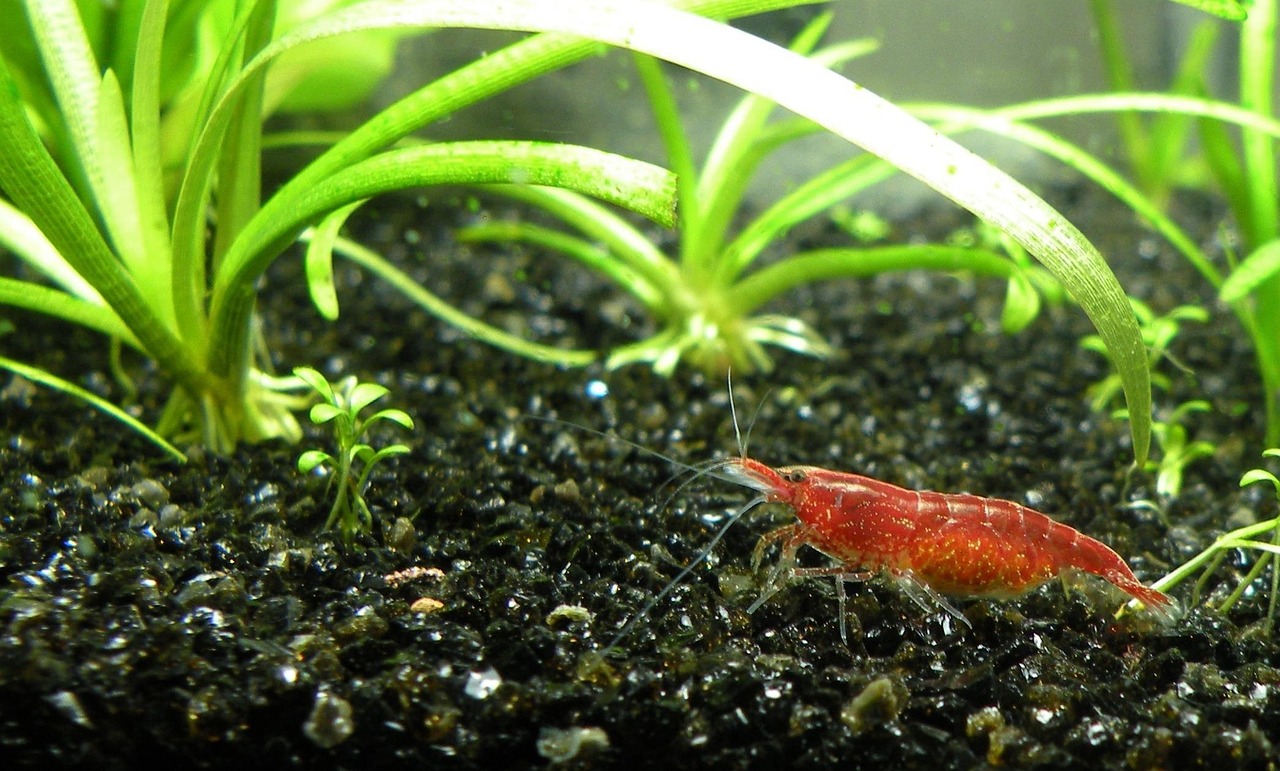
Sulawesi shrimp represent the pinnacle of freshwater invertebrate keeping — stunning, demanding, and deeply rewarding. This rainbow shrimp sulawesi care guide from Gensou Aquascaping Singapore draws on over 20 years of hands-on experience to help local hobbyists succeed with Caridina dennerli, commonly known as the cardinal or rainbow shrimp sulawesi. Their striking red-and-white pattern against dark rock makes them living jewels in any dedicated setup.
Species Origin and Appearance
Caridina dennerli is endemic to the ancient lakes of Sulawesi, Indonesia — Lake Matano and surrounding systems. These lakes have unique mineral-rich, alkaline water shaped by millennia of geological activity. Adults reach 1.5–2.5 cm and display a deep crimson body dotted with white spots along the rostrum and flanks.
Several colour variants exist in the hobby, ranging from solid red to heavily spotted forms. All share the same care requirements. Wild-caught specimens are becoming rarer; captive-bred stock from Asian breeders is increasingly available and better adapted to aquarium life.
Tank Setup
A species-only nano tank of 20–30 litres works well for a starter colony of 10–15 shrimp. Sulawesi setups differ markedly from typical planted shrimp tanks. Use inert substrate — crushed coral, limestone chips, or Sulawesi mineral stone — to maintain alkaline conditions. Avoid active buffering soils designed for caridina cantonensis; those push pH far too low.
Porous rock such as lava stone or Sulawesi rock provides essential biofilm grazing surfaces. Skip the dense planting; instead, allow natural algae and biofilm to colonise hardscape. A few tufts of Bucephalandra or java fern add greenery without altering water chemistry.
Water Parameters
Here lies the challenge. Sulawesi shrimp need warm, alkaline, moderately hard water: pH 7.5–8.5, GH 6–9 dGH, KH 3–6 dKH, and temperature 27–29 °C. Singapore’s ambient room temperature of 28–30 °C actually works in your favour — no heater required, and the warmth these shrimp crave comes naturally.
PUB tap water is too soft and acidic straight from the tap. Remineralise RO or distilled water using a Sulawesi-specific mineral additive to hit target parameters. Salty Shrimp Sulawesi Mineral 8.5 is the most widely used product among local breeders. Change 10–15 % of the water weekly, always matching temperature and mineral content precisely.
Feeding and Nutrition
Biofilm is the primary food source. Mature tanks with well-colonised rocks reduce the need for supplemental feeding considerably. Add shrimp-specific pellets or powdered foods like Bacter AE two to three times per week. Overfeeding fouls water quickly in small volumes — if food remains after two hours, you have offered too much.
Blanched mulberry leaves and Indian almond leaves provide both food and tannins that mildly benefit water quality. Remove uneaten portions within 24 hours to prevent ammonia spikes.
Breeding Sulawesi Shrimp
Unlike neocaridina shrimp that breed prolifically, Caridina dennerli reproduces slowly. Females carry 10–15 large eggs for roughly four weeks before releasing fully formed miniature shrimp. There is no larval stage — juveniles are immediately independent but tiny, around 2 mm.
Stable parameters and mature biofilm are the two most critical breeding triggers. Colonies take 6–12 months to build meaningful numbers. Patience is essential.
Common Mistakes to Avoid
Using active soil is the most frequent error. It crashes pH and kills the colony within days. Mixing Sulawesi shrimp with neocaridina or caridina cantonensis also fails — parameter requirements are incompatible. Copper exposure from fertilisers or medications is lethal even at trace levels.
Temperature fluctuations from air conditioning cycling on and off overnight stress colonies. Position the tank away from direct aircon output. A small heater set to 28 °C acts as a safety net during cooler periods.
Sourcing in Singapore
Specialist invertebrate shops and online hobbyist groups on Carousell and Shopee stock Sulawesi shrimp intermittently. Captive-bred specimens cost $8–$15 each depending on grade and colour intensity. Buying in groups of 10 or more often secures a discount and provides the genetic diversity a healthy colony needs.
Building a Thriving Colony
Success with this rainbow shrimp sulawesi care guide comes down to parameter stability, biofilm maturity, and patience. Gensou Aquascaping Singapore encourages hobbyists to invest in proper remineralisation and resist the urge to tinker constantly. A well-set-up Sulawesi tank, once established, practically runs itself — and the sight of these jewel-toned shrimp grazing across dark stone is worth every bit of effort.
Related Reading
- Amano Shrimp Breeding Challenges: Larval Stages and Saltwater Phase
- How to Breed Amano Shrimp: The Challenging but Rewarding Process
- Amano Shrimp vs Cherry Shrimp: Which Is Better for Your Tank?
- Amano Shrimp vs Otocinclus: Which Algae Crew Wins?
- Aura Blue Shrimp Care Guide: Caridina Cantonensis Blue Morph



