
Tetra Fish Aquarium Setup Guide: Blackwater Biotope
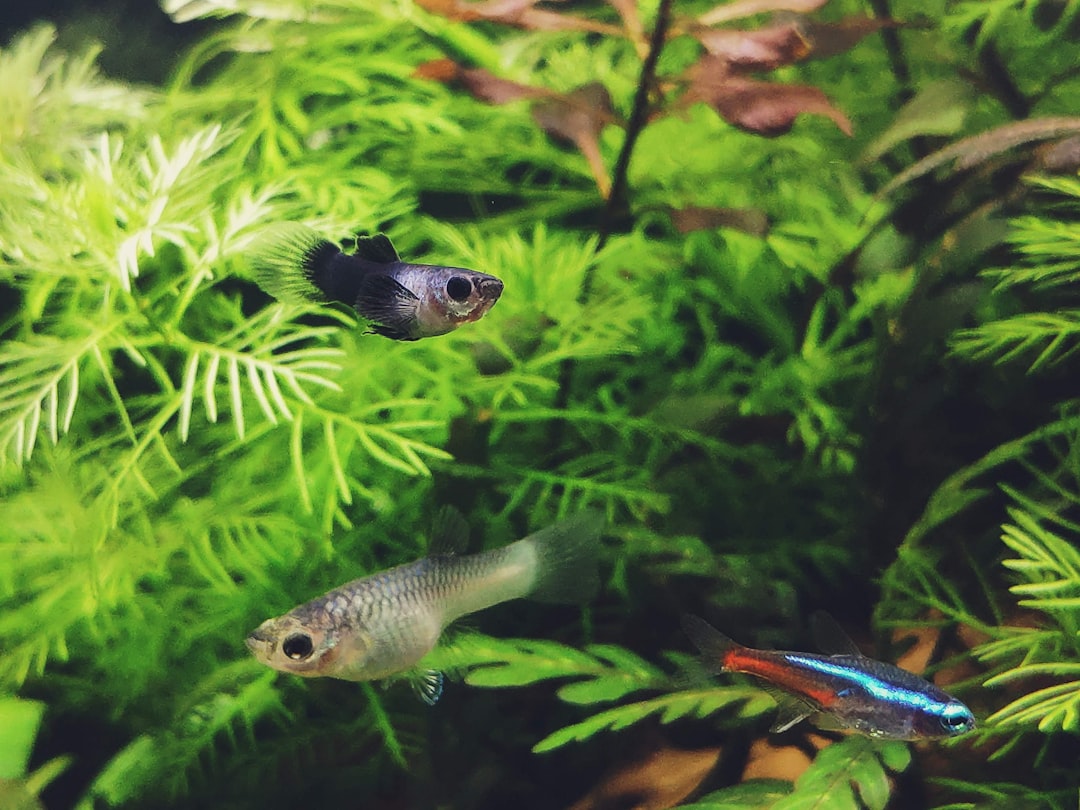
Putting together a planted tetra tank is not about following a generic community setup — it is about building a blackwater biotope that matches where these fish actually evolved. This tetra fish aquarium setup guide covers a step-by-step blackwater build from substrate choice through catappa leaf dosing, optimised for Singapore tap water. The team at Gensou Aquascaping, 5 Everton Park, has commissioned dozens of tetra displays across HDB flats and condos, drawing on over 20 years of hands-on experience in soft-water aquascaping.
Tank and Location
A 90-110 litre rectangular tank (90x30x40 cm typical) gives the horizontal swimming length a tetra school needs and fits into the standard HDB living-room console footprint. Place it on a stable cabinet away from direct afternoon sun (algae accelerator) and at least a metre from the aircon outlet (temperature swings). Floor load at this volume is negligible — under 150 kg spread across the footprint. Browse the aquarium tanks and cabinets range for rimless 90 cm options suited to aquascaping.
Substrate Layering
An active aquasoil like ADA Aqua Soil Amazonia or Tropica Aquarium Soil drops pH to 6.0-6.5 and releases the soft-water minerals tetras prefer. Lay 6 cm at the back sloping down to 3 cm at the front. A thin layer of fine cosmetic sand at the very front (2 cm) shows off the school’s movement and prevents cloudiness from root disturbance. Skip inert gravel — it holds pH at tap level and undermines the whole biotope ambition. Pick up substrate from the decoration and substrate range.
Hardscape Choice
Spider wood, Malaysian driftwood or manzanita all leach the tannins a blackwater tank needs. One or two medium pieces arranged asymmetrically across the tank length create visual depth and hiding zones the tetras retreat to when startled. Dragon stone or seiryu stone adds KH to the water — avoid in a biotope build. Presoak all driftwood in a bucket for two weeks before installing to manage the initial tannin release, or commit to a heavily-stained tank for the first month and accept the look.
Planting Plan
Background stems (Rotala rotundifolia, Ludwigia palustris, Hygrophila polysperma) to soften the rear. Midground crypts (Cryptocoryne wendtii, undulata, beckettii) in small clusters for variation. Anubias nana and java fern on the driftwood. A foreground of dwarf hairgrass or Cryptocoryne parva if the lighting is strong enough. Floating frogbit or salvinia across 30 per cent of the surface dims the light as tetras prefer. Source plants from the live plants range.
Filtration and Flow
A canister filter turning 4-5x tank volume per hour (400-550 LPH on 90 litres) is the right range — Eheim Classic 250, JBL CristalProfi e702 or Oase BioMaster 250 are the Singapore mainstays. Fit a spray bar on the rear top, angled slightly downward, to push current forward in a lateral sheet rather than a central jet. Prefilter sponge on the intake keeps tetra fry and small livebearers off the impeller. Visit the filtration range for canister options.
Lighting Specification
Low-to-medium light, 20-35 PAR at substrate, six to eight hours per day. Chihiros C-series, Week Aqua L-series or Twinstar E-series all fit the bill at SGD 150-300 on a 90 cm tank. Over-lighting triggers algae and washes out tetra colours; under-lighting starves the stem plants. Start at six hours daily and add an hour every fortnight if no algae appears. Dose liquid carbon (Easy-Life Carbo) the first two months to outcompete BBA and staghorn algae.
Water Tuning
Singapore tap water at GH 2-4, pH 7.8-8.2 chlorinated is actually closer to tetra ideals than most world cities. Dechlorinate with Prime; active soil drops pH into the 6.0-6.5 range within a week. Drop in three pre-rinsed Indian almond leaves (Terminalia catappa, from any aquascaping shop at SGD 0.50-1 each) and two alder cones across the back. Tannins colour the water slightly amber — this is the look, not a mistake. Browse the water care range for botanical packs.
Cycling Timeline
Plant the tank heavily on day one, dose with pure ammonia to 2 mg/L, test daily. In Singapore’s warm ambient (28-30 degrees Celsius) the cycle completes in three to four weeks — faster than temperate climate guides suggest. When ammonia and nitrite both read zero 24 hours after a 2 mg/L dose, the tank is ready. Do a 50 per cent water change, wait another week for plants to settle, then start stocking.
Stocking Order
First fish in: a hardy dither school such as six glowlight or ember tetras to confirm stability. Two weeks later: the primary species — twelve rummy-nose or eight cardinal tetras. Final additions two more weeks on: a bottom-dweller contingent such as eight pygmy corydoras or a pair of otocinclus. Resist the temptation to stock the full roster in one weekend — staged additions spare the filter a shock load and spare your wallet the first-month losses.
Related Reading
- Tetra Fish Tank Complete Guide
- Ember Tetra Complete Care Guide
- Rummy Nose Tetra Complete Care Guide
- Cardinal Tetra Complete Care Guide
- Glowlight Tetra Complete Care Guide



