
Top 10 Aquarium Snail Species Roundup: Workers and Display
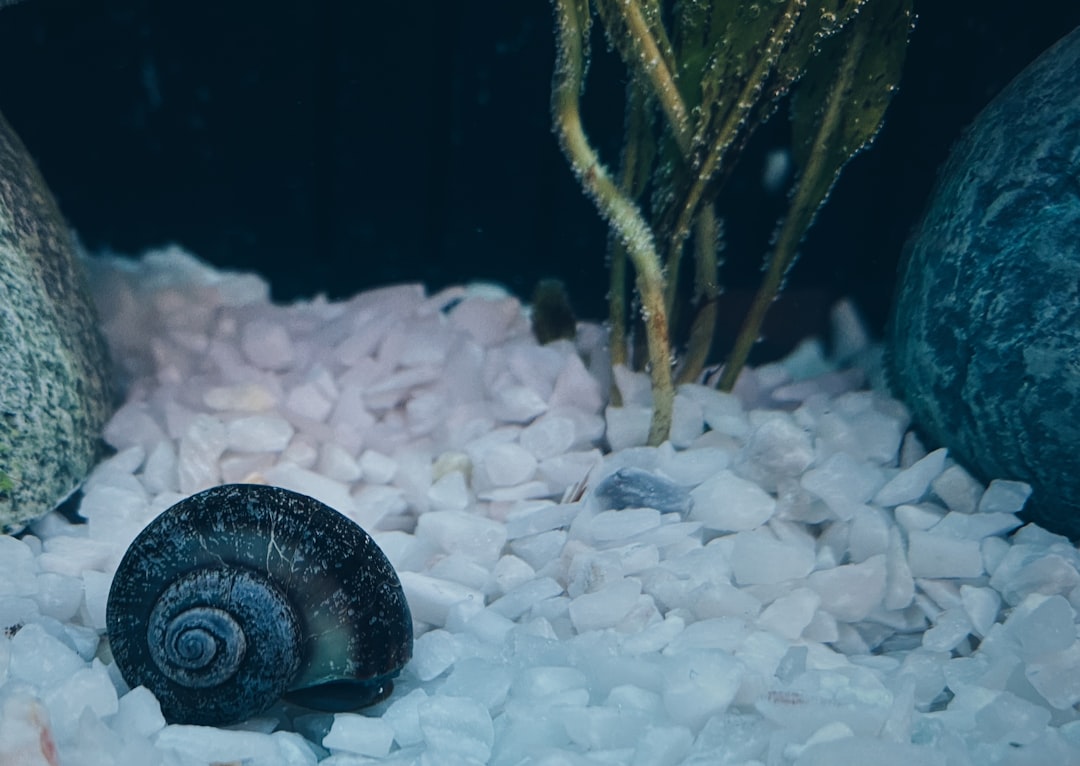
Aquarium snails divide hobbyists — half adore them as natural cleanup crew, the other half wage chemical warfare against pond snail outbreaks. The top 10 aquarium snail species ranked here separate the deliberate display species from the workhorse algae grazers and the assassin specialists used to control unwanted breeding. This roundup from Gensou Aquascaping at 5 Everton Park covers picks suited to PUB tap with adequate calcium for shell development. Each top 10 aquarium snail species entry includes adult shell size, breeding habit and the role it fills in a planted community tank. Singapore tap water carries enough calcium hardness for most snail species without supplementation, but soft-water tanks running below GH 3 will show pitted shell erosion within months. Add a small piece of cuttlebone or crushed coral fragment to boost calcium levels when keeping any of the species below long-term. Most snail species are introduced accidentally through plant purchases — quarantine new aquarium plants in a separate tub for two weeks if you want to control which species enter your display tank.
1. Mystery Snail (Pomacea bridgesii)
The display snail with a 4cm shell available in golden, ivory, magenta, blue and chestnut morphs. Adults need pH 7.5+ and calcium supplementation for shell strength. Iwarna and C328 list mystery snails at SGD 4-10 each. They lay aerial egg clutches above waterline; remove if breeding is unwanted.
2. Zebra Nerite (Neritina sp. zebra)
The classic algae grazer — black-striped 2cm shell. Adults clean diatoms and green spot algae aggressively. Petopia stocks zebra nerites at SGD 3-6 each. They lay sterile white egg deposits in freshwater that never hatch but persist on hardscape from the decoration range.
3. Horned Nerite (Clithon corona)
The miniature spiked variant — 1cm shell with thorn-like protrusions. Same algae-grazing role as zebra nerites in nano tanks. SGD 4-7 each at C328 Clementi. The smallest commercially-stocked nerite, fits 30-litre planted nanos comfortably.
4. Tiger Nerite (Vittina semiconica)
Orange-and-black tiger-striped 3cm shell. The most colourful nerite morph. Iwarna lists tiger nerites at SGD 5-9 each. Same care requirements as zebra nerites — pH 7.0+, calcium-rich water, and they cannot reproduce in freshwater.
5. Malaysian Trumpet Snail (Melanoides tuberculata)
The substrate aerator — burrows during the day and emerges at night. 2cm cone-shaped shell. Free in any local fish shop as bycatch on plants from the aquatic plants range. Population self-regulates around the available food. Yoyo loaches and assassins control outbreaks if needed.
6. Ramshorn Snail (Planorbis sp.)
The flat coiled shell that breeds prolifically. Pink, red, blue and brown morphs. Adults reach 2cm. Carousell breeders list red ramshorns at SGD 0.50-2 each. They eat soft algae and biofilm; population explodes on overfeeding alone.
7. Rabbit Snail (Tylomelania sp.)
The Sulawesi specialty — 8cm elongated cone-shaped shells in yellow, black, white and orange morphs. Adults graze biofilm without harming live plants. Iwarna stocks captive-bred rabbits at SGD 8-15 each. They live-bear single fully-formed offspring rather than laying eggs.
8. Assassin Snail (Clea helena)
The pest-control specialist — striped yellow-and-black 2cm shell. Adults hunt and eat pond snails, ramshorns and Malaysian trumpets. Petopia and Iwarna list assassins at SGD 3-7 each. Stock five in a 60-litre tank with a snail outbreak; populations stabilise within weeks.
9. Japanese Trapdoor Snail (Cipangopaludina japonica)
Pond-suitable cool-water species with operculum that seals the shell. 5cm shell, live-bearing. Specialist Carousell breeders list trapdoors at SGD 6-12 each. Outdoor tub friendly during cooler monsoon months when temperatures dip below 25°C.
10. Freshwater Clam (Corbicula fluminea)
Not a snail technically but kept in the same role. Filter-feeder rather than grazer — strains plankton and bacterial bloom from the water column. Adults reach 4cm. SGD 3-6 each at C328. They die silently and crash water quality fast; pair with a QANVEE Bio Sponge Filter and check siphon activity weekly.
Related Reading



