
Top 10 Tetra Species Roundup: Schooling Colour Picks
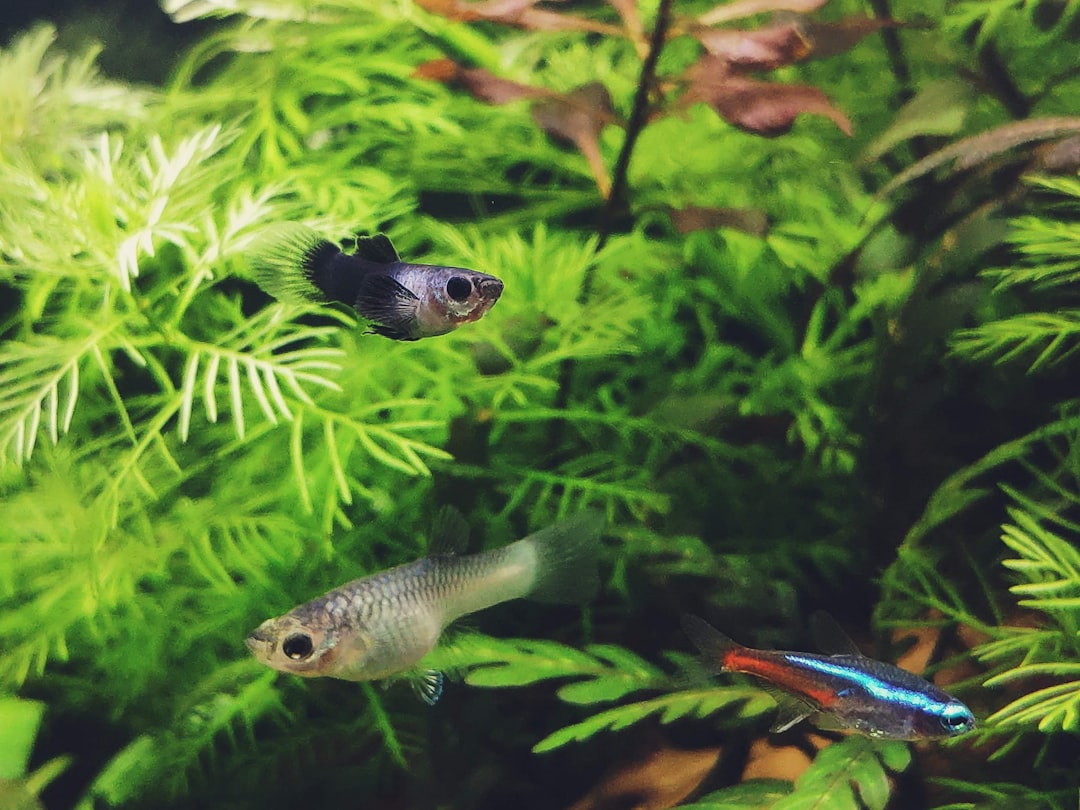
Tetras are South American characins that anchor most planted community tanks — the schooling movement and bright colour are unmatched per-dollar. The top 10 tetra species below are ranked by combined colour intensity and schooling reliability, leading with the most visually striking. This roundup from Gensou Aquascaping at 5 Everton Park covers minimum group sizes, water preferences, and sourcing notes. Soft acidic water (GH 2-4, pH 6.0-7.0) brings out tetra coloration significantly — Singapore tap is already most of the way there, which is why local-bred lines often look better than expensive imports stressed by long-haul shipping.
Tetra Tank Design Principles
Tetras school tightest in tanks longer than 75cm with diffuse overhead lighting and dark substrate. Floating plants like frogbit reduce overhead light intensity and trigger schooling behaviour by mimicking the canopy cover of South American forest streams. A tannin-stained backdrop (from Indian almond leaves or alder cones) deepens both red and iridescent coloration over weeks. Stock tetras as the first occupants of the cycled tank so they establish territory before larger or more dominant species arrive.
1. Cardinal Tetra (Paracheirodon axelrodi)
Iridescent blue stripe over solid red ventrals — unmatched. 4cm, group of 12, 75-litre. SGD 2-3 at Iwarna. Wild Brazilian stock schools tighter than tank-bred and develops fuller red bands after two months in tannin-stained water.
2. Neon Tetra (Paracheirodon innesi)
Half-red ventral, blue stripe — slightly less intense than cardinal. 3.5cm, group of eight. SGD 1-2. The lowest-cost colour-saturated tetra in the trade and the species most beginners encounter first.
3. Rummynose Tetra (Hemigrammus rhodostomus)
Tightest schooling tetra with bright red snout. 5cm, group of 12. SGD 3-5. Acts as ammonia indicator — red blanches with poor water and recovers within hours of correction.
4. Ember Tetra (Hyphessobrycon amandae)
Sub-2cm orange micro-tetra. Group of ten. SGD 2-3. Best in dim, planted tanks where the orange flanks stand out against green foliage and dark substrate.
5. Glowlight Tetra (Hemigrammus erythrozonus)
Pale silver body with neon orange stripe. 4cm, group of eight. SGD 2-3. Subtler than cardinals but distinctive against green planted backdrops with diffuse top-down lighting.
6. Congo Tetra (Phenacogrammus interruptus)
African tetra (technically not South American). Iridescent males with wispy fins. 8cm, group of eight, 150-litre. SGD 8-15 at Petopia. Males develop full finnage by 18 months and dominate the upper swim corridor.
7. Black Skirt Tetra (Gymnocorymbus ternetzi)
Tall body, sweeping black anal fin. 5cm, group of eight. SGD 2-4. Skirts and long-finned strains can nip — group of eight or more suppresses it through schooling pressure and reduced individual stress.
8. Lemon Tetra (Hyphessobrycon pulchripennis)
Pale yellow body with red-and-black-edged dorsal. 5cm, group of ten. SGD 3-5. Use the dark substrate range to bring out the yellow. Subtle rather than flashy and best appreciated in mature planted tanks.
9. Diamond Tetra (Moenkhausia pittieri)
Iridescent silver-violet, deepens with age. 6cm, group of eight, 90-litre. SGD 5-9. Soft acidic water (GH 2-4) intensifies the violet sheen — Singapore tap delivers the right baseline straight from the conditioner.
10. X-Ray Tetra/Pristella (Pristella maxillaris)
Translucent body with yellow-and-black-spotted fins. 4.5cm, group of 12. SGD 2-3 at C328 Clementi. The hardiest tetra on this list — tolerates pH 6.0-8.0. Pair with an oversized canister from the aquarium equipment range and a varied diet from the fish food range to get the full colour out of any tetra group. Long-lived (5+ years) and one of the few tetras tolerant of remineralised hard water.
Imported tetra stock often arrives stressed and may carry neon tetra disease (microsporidian infection) or velvet. Quarantine new arrivals for two weeks in a separate 30-litre setup before adding to your display. Watch for thin bodies, pale stripes or jerky swimming — early signs of disease. Drip-acclimate over 60-90 minutes when finally adding to the main tank to prevent osmotic shock from the parameter change between bag water and tank water.
Related Reading



