
Vampire Pleco Care Guide: L029 Galaxy Pattern
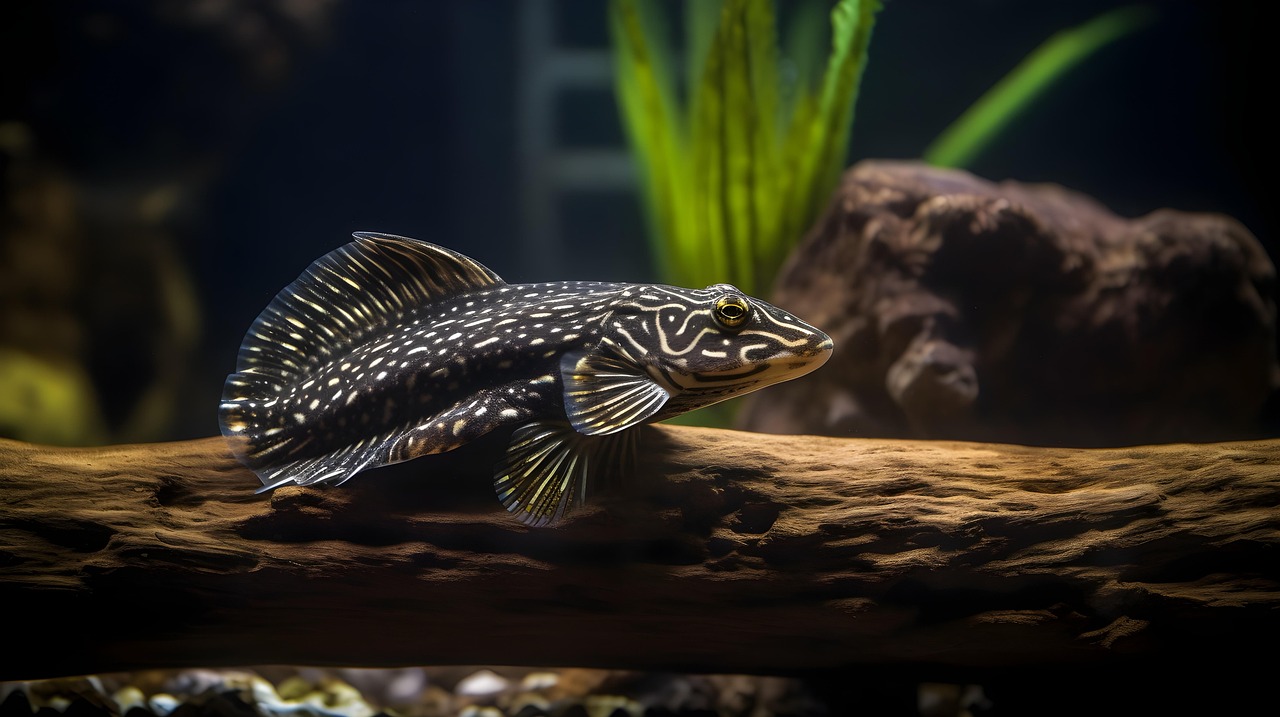
The Vampire Pleco, catalogued as L029, is one of the most visually striking loricariids available to freshwater keepers. Its dark body peppered with bright white or gold spots earns it the “Galaxy” nickname, and its dramatic dorsal fin spread makes it impossible to overlook. This vampire pleco care guide from Gensou Aquascaping at 5 Everton Park, Singapore, covers the specific requirements of Leporacanthicus galaxias — a species that demands more care than your average bristlenose but repays the effort with real presence in any tank.
Species Overview
Leporacanthicus galaxias comes from fast-flowing rivers in the Tocantins and Orinoco basins of South America. Adults reach 20-25 cm, making them a medium-large pleco. Unlike many loricariids, the Vampire Pleco is not primarily an algae eater — its name comes from prominent teeth designed for scraping invertebrates off rocks. Wild specimens are nocturnal ambush feeders, waiting in crevices for snails and insect larvae to wander within reach. This carnivorous tendency is essential to understand for successful long-term care.
Tank Requirements
Provide a minimum of 250 litres for a single adult, with 350 litres or more if keeping multiple specimens or a mixed community. Strong water flow is important — position powerheads or spray bars to create current across the tank. Offer plenty of caves and driftwood tunnels; PVC pipes of 5-8 cm diameter work as inexpensive shelters during the settling-in period. Substrate should be smooth sand or fine gravel to protect the fish’s soft underbelly. These plecos are territorial and will claim a favourite cave, so provide at least one shelter per fish plus extras to reduce conflict.
Water Conditions
Aim for a temperature of 24-28°C, pH of 6.0-7.5, and soft to moderately hard water at GH 2-12. Singapore’s tap water suits them well after dechlorination — the natural softness and slight acidity are a good match. Excellent oxygenation is non-negotiable; these fish come from rapids and suffer in stagnant water. Weekly water changes of 30-40% keep nitrates below 20 ppm, which is critical for long-term health. An oversized canister filter rated for at least 1.5 times the tank volume handles the bioload effectively.
Feeding
This is where many keepers go wrong. Vampire Plecos need a protein-heavy diet, not algae wafers. Offer frozen bloodworms, chopped prawns, mussel meat, and sinking carnivore pellets as staples. Blanched courgette or sweet potato can be offered occasionally, but plant matter should be a supplement, not the base. Feed after lights-out when the fish is most active. A healthy L029 will also hunt small snails — Malaysian trumpet snails make excellent live food and help keep the substrate turned over between meals.
Behaviour and Tankmates
Vampire Plecos are territorial toward other bottom-dwellers, especially other large plecos. Keep only one per tank unless the setup is spacious with abundant caves. Suitable tankmates include mid-water and upper-level species — medium cichlids, larger tetras, and rainbowfish work well. Avoid slow-moving, flat-bodied fish like discus, as L029 may rasp at their slime coat during the night. Small shrimp are likely to become food. Despite their intimidating name, Vampire Plecos are shy and spend most daylight hours hidden; you will see the most activity in the hour after lights-out.
Health Considerations
Skin lesions and bacterial infections are the most common problems, usually triggered by poor water quality or injuries from rough decor. Use smooth stones and well-sanded driftwood to minimise abrasion. White spot (ich) can affect these fish, particularly after transport stress — quarantine new arrivals for at least two weeks. In Singapore, Vampire Plecos are periodically available at specialty shops and online from $40-80 depending on size and pattern intensity. Inspect the belly for sunken appearance before purchasing, as this indicates starvation that can be difficult to reverse.
Breeding
Captive breeding is achievable but uncommon. Males develop more pronounced odontodes (cheek spines) and a broader head. Breeding occurs in caves — the male guards the eggs for 7-10 days until hatching. Soft, slightly acidic water and a protein-rich diet condition the pair. Fry are relatively large and accept crushed pellets and baby brine shrimp from the outset. Successful breeders in Southeast Asia report that lowering temperature by 2°C during water changes can help trigger spawning behaviour.
A Rewarding Challenge
The Vampire Pleco is not a beginner fish, but it is well within reach for intermediate keepers willing to meet its dietary and environmental needs. Its galaxy-pattern markings, bold personality once settled, and interesting feeding behaviour make it a genuine conversation piece. This vampire pleco care guide reflects the practical knowledge Gensou Aquascaping has built over 20 years of keeping unusual species in Singapore’s tropical conditions.
Related Reading



