
Water Hyacinth Pond Care Guide: Floating Filter Plant
Few floating plants polish pond water as efficiently as Eichhornia crassipes, but few carry such a fearsome global reputation either. A managed water hyacinth pond uses the species as a working biofilter — its dangling root mass strips ammonia, nitrate and phosphate while its bulbous bladders hold the rosettes neatly afloat. This guide from Gensou Aquascaping at 5 Everton Park covers the legality, growth control and pairing strategies that turn a notoriously invasive plant into a useful pond tool in Singapore.
Legal Status in Singapore
Water hyacinth is listed as a noxious weed in many countries and outright banned in places such as Australia and parts of the United States. Singapore tolerates the species in private ponds with active maintenance, but never release plants into reservoirs, canals or waterways. Responsible disposal means drying out excess plants before bagging them with general waste — never composting near drains.
Why It Filters So Well
Each rosette dangles 20-40 cm of fine root hairs into the water column. Those roots host nitrifying bacteria and absorb dissolved nutrients directly. A 1-square-metre mat can strip the bulk of ammonia from a heavily stocked koi pond within hours of stocking. Use this productivity deliberately by sizing coverage to the bioload.
Setting Coverage Targets
Aim for 30-40 per cent surface coverage — never more than 60 per cent or you will starve submerged plants of light. In a 1,000-litre pond, two healthy rosettes seed enough growth to hit target coverage within 4-6 weeks. Thin weekly once established. Pair with pond equipment like a UV clarifier so green-water algae cannot compete for the same dissolved nutrients.
Bloom Cycle and Triggers
The lavender-blue flower spike is what most pond keepers want. Blooms trigger when crowding compresses the rosettes and root growth slows — the plant senses it has filled the pond and shifts energy to reproduction. Singapore’s heat helps; expect occasional bloom cycles every 6-10 weeks once a tight mat establishes.
Sun and Light Needs
Water hyacinth needs 6-8 hours of direct sun to maintain the bulbous bladder structure. Shaded plants stretch into spindly upright shapes and lose buoyancy. HDB corridor ponds with limited sky exposure rarely sustain healthy hyacinth — choose duckweed or salvinia instead in those settings.
Growth Control
Doubling time under good conditions is 5-15 days. Set a weekly thinning schedule from day one — a 5-minute net pass keeps the mat at target coverage and prevents the explosive runaway growth that makes the species infamous. Compost surplus on dry land or bag for waste collection.
Koi and Goldfish Interaction
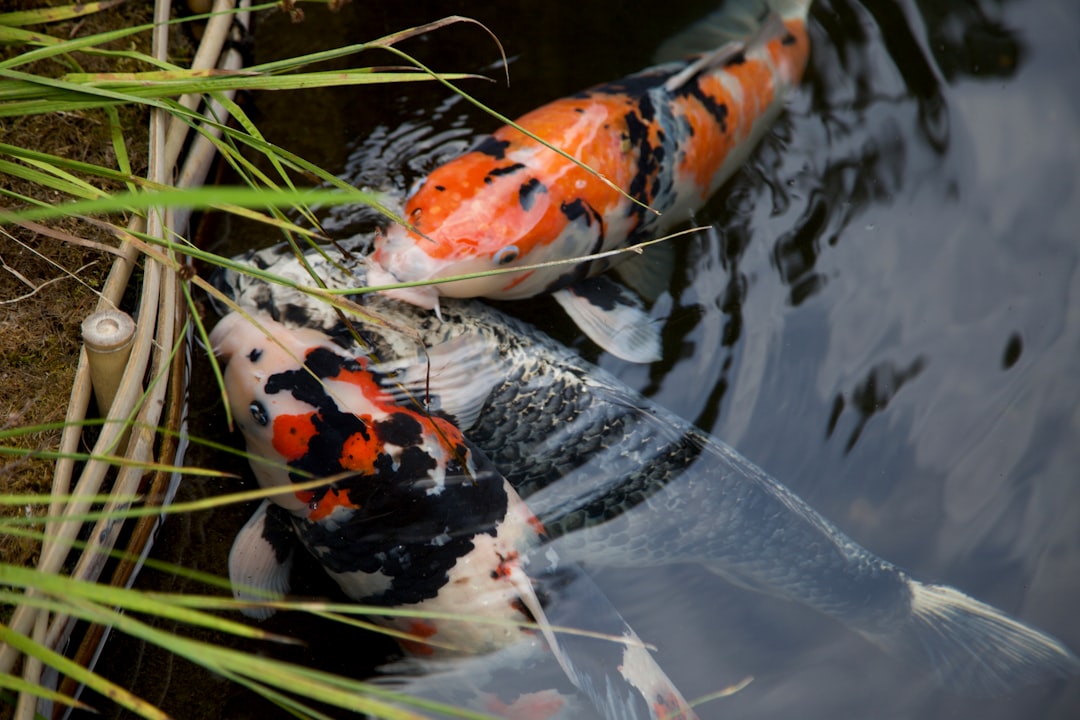
Koi shred water hyacinth root masses, which actually helps the plant by stimulating fresh growth. Larger koi will rip whole rosettes apart — protect young plants with a floating ring made from PVC pipe until the bladders firm up. Goldfish are gentler and rarely cause damage. The roots also offer fry shelter during spawning.
Water Chemistry and Climate
The species accepts pH 6.0-8.0 and temperatures 20-35°C. Singapore PUB tap at GH 2-4 suits it well. Cold snaps below 18°C cause leaf yellowing — never an issue locally. The water treatment shelf at Gensou stocks the dechlorinators needed before topping up evaporation losses.
Common Problems
Yellowing leaves often indicate iron or manganese deficiency in nutrient-poor ponds — counter-intuitive in heavily stocked systems but real in low-bioload setups. A monthly liquid pond fertiliser dose at half the bottle rate restores colour. Spider mites and aphids occasionally infest aerial leaves; a quick dunk underwater for 30 minutes drowns them without harming the plant.
Sourcing and Pricing
Hyacinth is dirt cheap once you locate a supplier. Carousell sellers in the eastern aquatic-plant circles list 5-10 rosettes for SGD 8-15. Far East Flora and aquatic specialty shops carry potted plants at SGD 5-10 each. Avoid stock with brown root masses — those have already begun to rot and may not recover after transit.
Related Reading



