
Weeping Moss Care Guide Aquarium: Vesicularia Ferriei
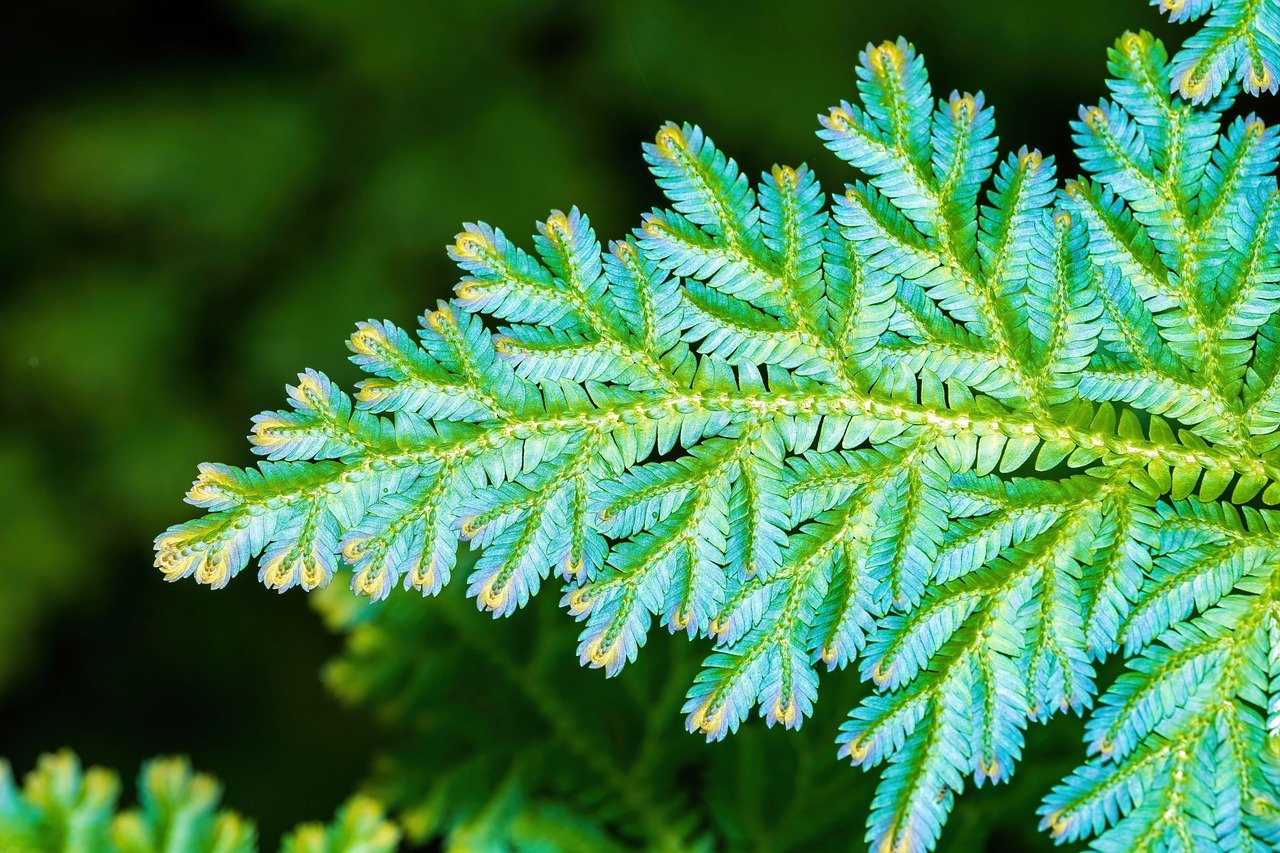
The Chinese weeping willow has an aquatic cousin, and its drooping fronds do for aquascapes what the tree does for riverbanks: soften every edge into flowing cascades. Weeping moss care guide aquarium hobbyists reach for Vesicularia ferriei when they want a moss that grows downward rather than sideways, hanging in tidy fronds off driftwood branches and rock ledges. This guide from Gensou Aquascaping at 5 Everton Park covers attachment, flow management, and the trimming rhythm that preserves the characteristic weeping shape in Singapore’s warm tanks.
Quick Facts
- Scientific name: Vesicularia ferriei
- Origin: Chinese and Vietnamese freshwater streams
- Growth pattern: drooping, triangular frond tips that hang downward
- Light requirement: low to moderate, tolerates deep shade
- Temperature: 18-28°C, fine in unchilled Singapore tanks
- CO2: optional, improves colour density and growth speed
- Ideal placement: elevated hardscape ledges, driftwood overhangs, moss walls
The Weeping Growth Pattern
Each frond grows to roughly 2-3 cm and terminates in a slightly curved tip that droops under its own weight. When attached to horizontal surfaces, the fronds bend over the edge and hang; when attached to vertical surfaces, they flow downward in parallel cascades. This predictability separates weeping moss from chaotic growers like Java moss and makes it a staple in competitive aquascapes for its ability to soften hard transitions between stone and substrate.
Attachment for Best Cascade
Mount weeping moss on elevated hardscape where fronds have room to droop: the upper surface of a driftwood branch, the top of a vertical stone, or a ledge cut into an iwagumi boulder. Use fine polyester thread or superglue gel, spread in a thin 5 mm layer. Avoid pinning weeping moss to flat substrate-level surfaces; the drooping habit wastes its visual effect when there is nowhere for fronds to hang.
Flow Requirements
Gentle directional flow from above encourages healthy downward orientation. Turbulent flow or strong upward currents from a filter outlet lift fronds and ruin the weeping silhouette. Aim a spray bar or lily pipe parallel to the water surface rather than down into the scape, and ensure the tank has moderate turnover (5-8 times per hour) to prevent detritus settling between fronds.
Water Parameters in Singapore
Weeping moss thrives in soft acidic to neutral water: pH 5.5-7.5, GH 2-8, KH 0-6. PUB tap water after dechlorination is a near-perfect fit. Temperature tolerance extends down to 18°C, which matters because imported moss cultures sometimes carry cooler-adapted specimens that need acclimation. In a 28-30°C Singapore tank, growth rate is brisk and colour a rich dark green.
Lighting and Fertilisation
A low-light setup of 20-40 PAR produces the best weeping shape. High light encourages denser, upright growth that partially loses the drooping character. Run LEDs at 30% intensity over a six-hour photoperiod for nano tanks. Fertilisation is minimal: weekly comprehensive dosing such as Tropica Premium or Aquario Neo Plant at half manufacturer rate sustains growth. Heavy fertilisation invites algae on the slow-growing fronds.
Trimming and Maintenance
Trim every four to six weeks once fronds exceed 5 cm, cutting from the tip upward to preserve the base mat. Use sharp curved scissors and siphon clippings during the same session; drifting fragments take root on filter sponges and intakes. Thick mats older than a year benefit from a hard prune back to the attachment layer, which rejuvenates the colony and prevents the centre from browning.
Compatible Livestock
Weeping moss pairs beautifully with dwarf shrimp colonies, offering endless grazing surface for Neocaridina and Caridina. Small characins, galaxy rasboras, and pencilfish move between fronds naturally. Avoid large cichlids, goldfish, and most plecos, which tear or uproot the moss. Male wild bettas sometimes tuck bubble nests among the fronds, an appealing bonus in mahachai or smaragdina tanks.
Troubleshooting
If fronds lose the drooping habit and stand upright, cut light intensity or check flow direction. Yellowing tips indicate nitrogen deficiency; add half a dose of potassium nitrate weekly. Brown or slimy patches between fronds are detritus fungus, cleared by increasing surface flow and siphoning the area gently during water changes. A weeping moss tank in good health needs almost no intervention beyond quarterly pruning and a basic weekly water change.
Related Reading
Weeping Moss Care Guide
Christmas Moss Care Guide
Java Moss Aquarium Guide
Flame Moss Care Guide
Moss Wall Terrarium Guide



