
Wood Shrimp Fan Shrimp Care Guide: Atyopsis Moluccensis
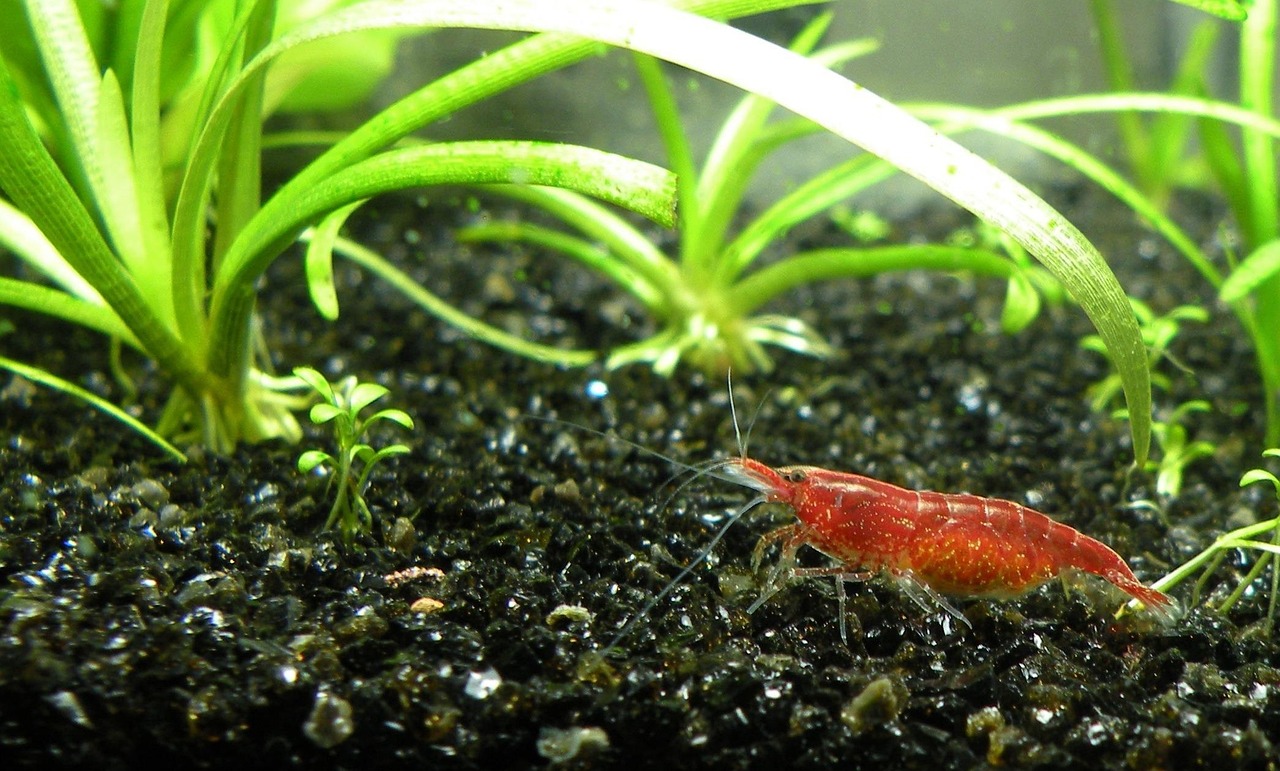
Watching a wood shrimp fan plankton from the current is one of the more hypnotic sights in freshwater fishkeeping, but the species fails in tanks that look perfect for ornamental shrimp. This wood shrimp fan shrimp care guide from Gensou Aquascaping at 5 Everton Park covers Atyopsis moluccensis, a peaceful 8 to 12cm filter feeder from Southeast Asian rivers that needs strong flow, suspended food and patience. Get those three right and the species will live for over a decade.
Quick Facts
- Scientific name: Atyopsis moluccensis (also called bamboo shrimp, fan shrimp, wood shrimp)
- Adult size: 8 to 12cm
- Minimum tank: 75 litres for one, 120 litres for a small group
- Temperature: 24 to 28°C — Singapore ambient suits perfectly
- Water: pH 6.8 to 7.8, GH 6 to 15, KH 3 to 8
- Diet: filter feeder — needs suspended particulate food
- Lifespan: 8 to 12 years with correct care
Filter Feeding Biology
Instead of grazing like a Neocaridina or scavenging like a crayfish, A. moluccensis spreads two pairs of fan-shaped front limbs into the current to capture suspended particles — bacteria, microalgae, decaying plant matter, fine biofilm. The shrimp is essentially a living filter and depends on the tank carrying enough drifting food. A spotless polished display with low organic load will starve the animal slowly over six to twelve months.
Tank Setup
A 60 by 30cm footprint suits one or two adults. Provide driftwood and large smooth stones positioned in the strongest current zone — wood shrimp choose a perch in the flow and return to it daily. A canister rated 6x to 8x tank volume per hour, or a hang-on with a powerhead, creates the suspended-food environment they need. Sponge filters alone are too gentle.
Plants are entirely safe and beneficial; mosses, Anubias and crypts grown on the wood add surface area for biofilm. Substrate is a free choice — sand, fine gravel or aquasoil all work as the shrimp does not dig.
Water Parameters and Singapore Tap
This species is more forgiving of soft water than crayfish but still benefits from light remineralisation. PUB tap conditioned to GH 6 to 8 and KH 3 to 4 hits the sweet spot. Ambient HDB temperatures of 27 to 29°C are within range but a clip fan during March to May heat spikes prevents stress. Weekly 20 percent water changes maintain low nitrate without stripping the suspended food the shrimp depends on.
Feeding the Filter
The single biggest reason wood shrimp die in clean planted tanks is starvation. Supplement with finely powdered foods aimed at the water column: crushed flake, powdered spirulina, frozen baby brine shrimp, Hikari First Bites or any commercial liquid invertebrate food. Squirt a small amount upstream of the shrimp’s perch two or three times a week. A healthy shrimp fans constantly; one that walks the substrate scraping with its fans is hungry and looking for food.
Tank Mates
Wood shrimp are entirely peaceful and ignore everything that does not eat them. Avoid large cichlids, predatory fish, crayfish and aggressive bettas. Suitable companions include tetras, rasboras, corydoras, otocinclus, peaceful gouramis and dwarf shrimp. The species coexists with Neocaridina and Caridina without competition — they eat from different parts of the water column.
Moulting and Colour Change
Healthy wood shrimp moult every six to ten weeks. The fresh exoskeleton starts white or pale and darkens to red-brown over a week as new pigment deposits. Leave the cast shell in the tank for calcium re-ingestion. A shrimp that turns pale and stays pale, or one that fails to moult for over three months, is usually starving or in soft, low-mineral water.
Breeding Reality
Like several filter-feeding shrimp, A. moluccensis requires brackish water for larval development. Adult-tank breeding is essentially impossible. The female releases free-swimming zoea larvae that need salinity around 1.010 SG to develop through several stages over four to six weeks before metamorphosing into post-larvae and returning to freshwater. Almost all hobby stock is wild-caught from Indonesia, Malaysia and the Philippines.
Sexing
Adults sex out reliably. Males are larger, with thicker first walking legs and bolder red-brown banding. Females are slimmer with a paler base colour and a visible saddle when carrying eggs. Juveniles under 5cm are difficult to sex.
Singapore Sourcing
Wood shrimp appear regularly at C328 Clementi, the Serangoon North Avenue 1 cluster and several Pasir Ris farms, typically $8 to $15 per specimen. Quality varies — look for shrimp actively fanning in the shop tank, with full antennae and intact fan limbs. Avoid pale, motionless specimens which are usually starved. Acclimatise slowly with drip method over two hours; the species is sensitive to sudden parameter swings.
Common Problems
Starvation in clean tanks tops the list. Second is moult failure from soft, low-calcium water. Third is poisoning from copper-based snail or algae treatments — every invertebrate tank rule applies, only more so given the wood shrimp’s long lifespan and slow recovery. Pesticide-laced new plants are also a frequent culprit; quarantine all new plants before adding them.
Related Reading



