
Bamboo Shrimp Care Guide: The Fascinating Filter Feeder
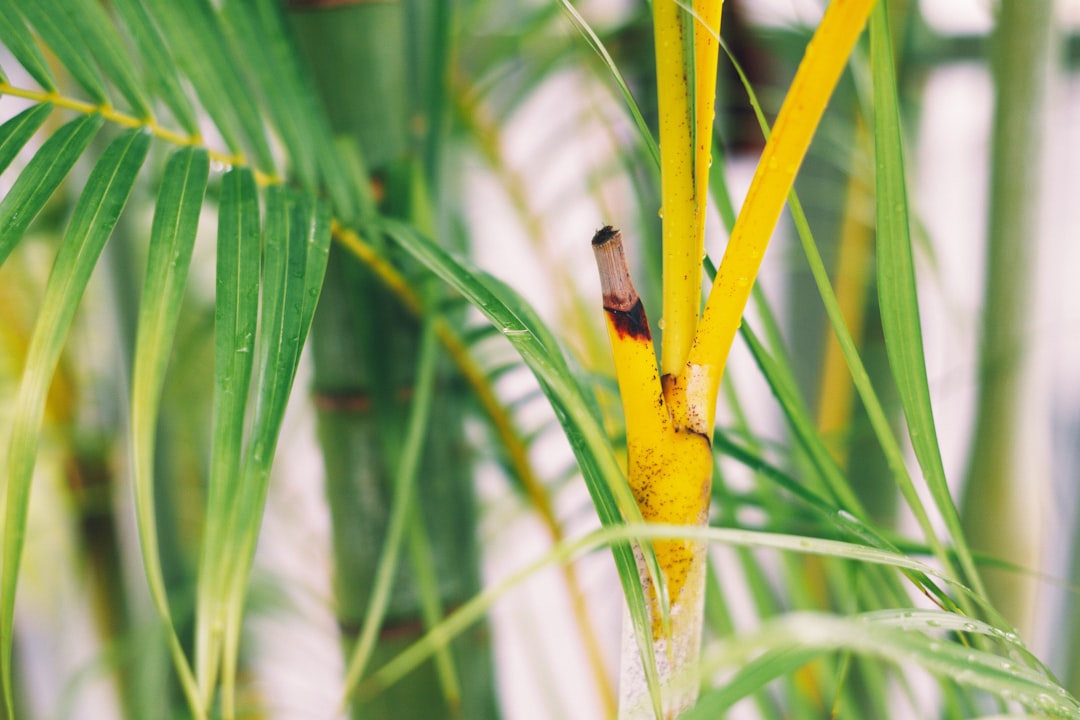
The bamboo shrimp (Atyopsis moluccensis), also known as the wood shrimp, flower shrimp or Singapore shrimp, is one of the most captivating freshwater invertebrates you can keep. Unlike the cherry shrimp or Amano shrimp that most hobbyists are familiar with, the bamboo shrimp feeds by extending delicate fan-like appendages into the current to filter microscopic food particles from the water. Watching this behaviour is genuinely mesmerising and unlike anything else in a typical community aquarium.
At 7-8 cm fully grown, bamboo shrimp are substantial creatures — far larger than most ornamental shrimp. Despite their size, they are entirely peaceful and pose no threat to fish or other tank inhabitants. At Gensou, we consider them one of the most rewarding species for experienced hobbyists willing to provide for their specialised feeding needs.
Filter Feeding Behaviour
The defining characteristic of the bamboo shrimp is its filter feeding method. Instead of the typical shrimp behaviour of picking at surfaces with clawed appendages, bamboo shrimp have evolved specialised fan-shaped setae on their first two pairs of legs. These fans are opened wide and held into the current, trapping suspended particles — microalgae, bacteria, phytoplankton, fine detritus and powdered food — as water flows through them.
The shrimp periodically closes each fan and brings it to its mouth to consume the collected particles, then reopens the fan to continue filtering. This rhythmic open-close-eat motion is hypnotic to watch and can continue for hours at a time.
Bamboo shrimp instinctively position themselves in the area of strongest water flow, often perching on rocks, driftwood or filter outlets where the current is most concentrated. If you see your bamboo shrimp consistently foraging on the substrate rather than fan feeding, it is a warning sign — the shrimp is not finding enough suspended food in the water column and is resorting to scavenging, which is less efficient and indicates inadequate feeding.
Appearance and Colour Changes
Bamboo shrimp are attractive creatures with a body colour that ranges from reddish-brown to tan, often with a lighter dorsal stripe running along the back. Their colour is not fixed, however, and can change considerably based on several factors.
Normal Colour Variations
- Reddish-brown — the most common colouration, indicating a healthy, well-fed shrimp
- Tan or beige — often seen after moulting or in shrimp kept on light-coloured substrates
- Deep red or rust — common in well-established, well-fed specimens
- Blue or greyish — occasionally seen, sometimes preceding a moult
Colour Changes to Watch For
Significant, rapid colour changes can indicate stress. A bamboo shrimp that turns pale or white may be about to moult (normal) or experiencing poor water conditions (concerning). If the colour change is accompanied by lethargy, reduced feeding or hiding, check your water parameters immediately.
Tank Setup and Flow Requirements
Proper tank setup is crucial for bamboo shrimp, and the single most important factor is water flow. Without adequate current, a bamboo shrimp cannot feed effectively.
Tank Size
A minimum of 80 litres is recommended for a single bamboo shrimp, with 100 litres or more preferred. These are not nano tank inhabitants — their size and flow requirements demand a properly sized aquarium.
Flow and Filtration
The filter or powerhead should produce a moderate to strong current in at least one area of the tank. A flow rate of eight to ten times the tank volume per hour is ideal. Position the filter outlet or a small powerhead to create a concentrated stream of flow across a piece of driftwood or rock where the shrimp can perch and feed.
Importantly, the rest of the tank should still have calmer areas — not all tank mates appreciate strong flow. Creating zones of different flow intensity through strategic hardscape placement is the key to keeping bamboo shrimp in a community setting.
Hardscape and Planting
- Driftwood — essential, provides elevated perching spots in the flow
- Smooth rocks — additional perching surfaces near the current
- Plants — java fern, anubias and moss attached to hardscape create natural-looking perches while also harbouring biofilm
- Hiding spots — caves, crevices or dense plant growth where the shrimp can retreat during moulting
Need help designing a tank with proper flow zones for bamboo shrimp? Our custom aquarium design service can create a layout that accommodates both filter feeders and a thriving planted display.
Water Parameters for Singapore
Bamboo shrimp are sensitive to water quality and require a well-established, stable aquarium. They should never be added to a newly cycled tank — a minimum of three months of maturity is recommended, as an established tank has a richer population of suspended microorganisms that form the shrimp’s natural diet.
| Parameter | Ideal Range | Singapore Tap Water |
|---|---|---|
| Temperature | 22-28 °C | 26-30 °C (upper end — ensure good oxygenation) |
| pH | 6.5-7.5 | 7.0-8.0 (mostly acceptable) |
| GH | 3-10 dGH | 1-4 dGH (acceptable) |
| KH | 2-8 dKH | 1-3 dKH (acceptable) |
| Ammonia / Nitrite | 0 ppm (critical) | Must be fully cycled |
| Nitrate | Below 20 ppm | Keep low with regular changes |
Bamboo shrimp are more sensitive to poor water quality than most fish. Ammonia and nitrite must be at zero at all times, and nitrate should be kept low through regular water changes. Singapore’s warm ambient temperatures mean the water holds less dissolved oxygen, so good surface agitation is important — particularly in tanks with strong flow, where the increased circulation should already provide adequate gas exchange.
Always treat tap water with a dechlorinator that neutralises chloramine. PUB water contains chloramine, which is lethal to shrimp even in trace amounts. Products like Seachem Prime are effective and widely available.
Feeding and Supplementation
Feeding bamboo shrimp is the biggest challenge of keeping them. In a mature, well-stocked community tank, there may be enough suspended particles to sustain them naturally. However, most aquariums benefit from supplemental feeding to ensure the shrimp remains well-nourished.
Powdered and Liquid Foods
- Powdered spirulina — mix a small pinch with tank water and slowly release it upstream of the shrimp using a syringe or pipette
- Specialised filter feeder food — products like Glasgarten Shrimp Baby Food, Bacter AE or SL-Aqua Baby Shrimp Food dissolve into fine particles ideal for filter feeding
- Crushed flake food — grind standard flake food into a fine powder and dispense into the current
- Phytoplankton supplements — liquid phytoplankton designed for reef tanks can also work
Feeding Technique
The key is delivering food directly into the current where the shrimp is positioned. Use a syringe or turkey baster to slowly release a cloud of powdered food upstream. The current will carry the particles through the shrimp’s fans. Feed small amounts two to three times per week in a well-stocked community tank, or daily in a sparsely populated setup.
Watch the shrimp’s behaviour after feeding — if it is actively fanning and periodically bringing its fans to its mouth, the food is reaching it. If the shrimp closes its fans and descends to the substrate to scavenge, the particles may be too large or the flow is directing them away from the shrimp’s position.
Moulting
Like all shrimp, bamboo shrimp periodically moult — shedding their exoskeleton to grow. This process is more dramatic in bamboo shrimp due to their size, and it can be alarming for owners encountering it for the first time.
Signs of an Impending Moult
- Reduced feeding activity
- Colour change — often becoming paler or slightly opaque
- Retreating to hiding spots
- Decreased responsiveness to food
During and After Moulting
The shrimp will hide and emerge having shed its old shell, which you may find intact in the tank — a perfect transparent replica of the shrimp. Leave the old exoskeleton in the tank for a day or two, as the shrimp and other tank inhabitants will consume it to recycle calcium and minerals.
Freshly moulted bamboo shrimp are vulnerable, with their new shell still soft. They may hide for one to three days until the new exoskeleton hardens. During this period, ensure no aggressive tank mates are present that might harass the defenceless shrimp. Adequate calcium in the water (through mineral supplements, cuttlebone or calcium-rich foods) supports healthy moulting.
Compatible Tank Mates
Bamboo shrimp are entirely peaceful and can be kept with a wide range of community fish. The main consideration is avoiding species that might harass or prey on the shrimp.
Good Companions
- Small to medium tetras — neon tetras, cardinal tetras, rummy-nose tetras
- Rasboras — harlequin rasboras, chili rasboras
- Corydoras catfish
- Otocinclus
- Small peaceful gouramis — honey gourami, sparkling gourami
- Other shrimp — cherry shrimp, Amano shrimp
- Snails — nerite snails, mystery snails
Tank Mates to Avoid
- Large cichlids or aggressive species
- Pufferfish (they target invertebrates)
- Large predatory fish
- Crayfish (will attack shrimp, especially during moults)
Frequently Asked Questions
Why is my bamboo shrimp walking on the substrate instead of filter feeding?
This is the most common sign that your bamboo shrimp is not getting enough food. When insufficient particles are suspended in the water, the shrimp resorts to picking at the substrate like a regular shrimp. Increase supplemental feeding with powdered foods and check that the flow is strong enough for effective filter feeding. Occasionally, a newly added shrimp may do this while it explores its new environment, which is normal for the first day or two.
How long do bamboo shrimp live?
With proper care, bamboo shrimp can live four to six years in captivity. Their longevity depends heavily on consistent water quality, adequate feeding and successful moults. Many premature deaths are attributable to starvation from inadequate supplemental feeding or copper contamination from medications or tap water.
Can I keep more than one bamboo shrimp?
Yes. Bamboo shrimp are not territorial and will happily share perching spots in the current. Multiple shrimp fanning side by side is a spectacular sight. Ensure your tank is large enough (add roughly 30 litres per additional shrimp) and that there is enough suspended food for all of them. In larger community tanks of 150 litres or more, a group of three to four bamboo shrimp creates an exceptional display.
Do bamboo shrimp need an established tank?
Absolutely. A newly cycled tank lacks the microbial population and biofilm that bamboo shrimp depend on. We recommend a tank that has been running and stocked for at least three months before adding bamboo shrimp. A mature tank with established plants, driftwood covered in biofilm and a stable nitrogen cycle provides the best environment for these specialised feeders.
Add a Bamboo Shrimp to Your Aquarium
Bamboo shrimp reward patient, attentive hobbyists with behaviour found nowhere else in the freshwater hobby. Their filter feeding is endlessly watchable, and their gentle nature makes them a welcome addition to any peaceful community tank with adequate flow.
Visit Gensou at 5 Everton Park to see bamboo shrimp in person, or contact us to check availability and get advice on setting up the ideal environment. Our maintenance service can also help ensure your established tank is ready to support these fascinating filter feeders.
Related Reading
- How to Breed Bamboo Shrimp: Larval Stages and Brackish Requirements
- Bamboo Shrimp vs Vampire Shrimp: Filter Feeder Comparison
- Amano Shrimp Breeding Challenges: Larval Stages and Saltwater Phase
- How to Breed Amano Shrimp: The Challenging but Rewarding Process
- Amano Shrimp vs Cherry Shrimp: Which Is Better for Your Tank?



