
Yasha Goby and Pistol Shrimp Pair Guide: Symbiotic Partners in Your Reef
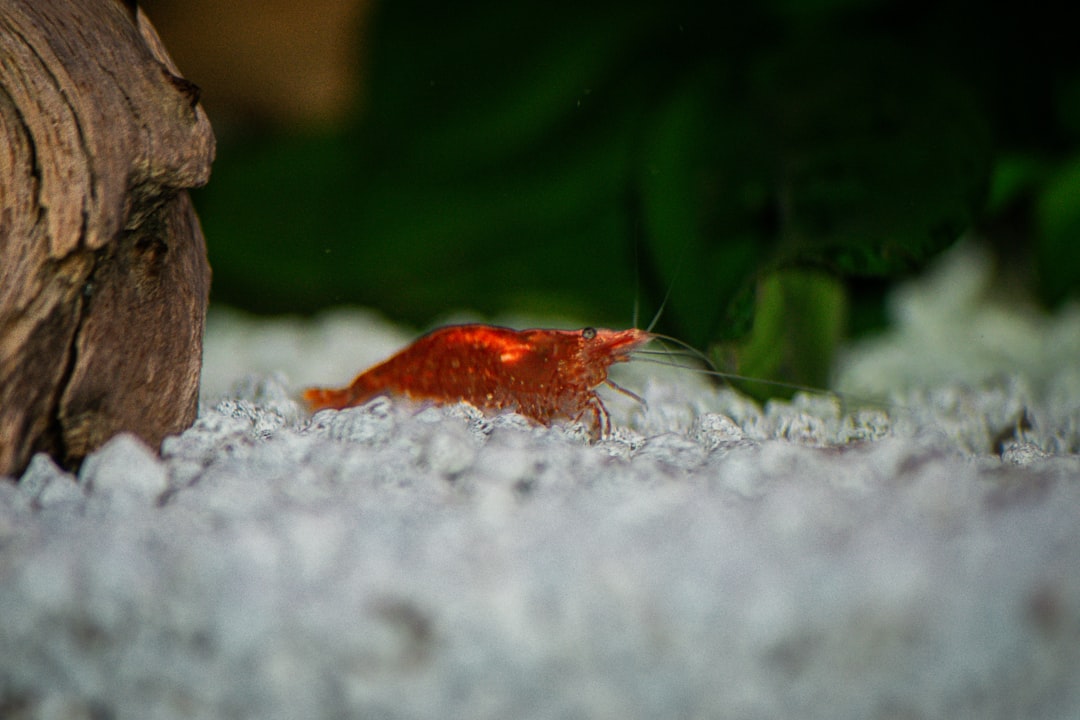
Symbiosis in action is one of reef keeping’s greatest rewards, and few partnerships are as captivating as the bond between a yasha goby and its pistol shrimp companion. Stonogobiops yasha, with its flame-orange dorsal fin and stark white body striped in red, is a showpiece nano reef fish that becomes even more fascinating when paired with an Alpheus species shrimp. This yasha goby pistol shrimp pair guide from Gensou Aquascaping at 5 Everton Park, Singapore covers how to establish and maintain this symbiotic duo in your reef aquarium.
Understanding the Symbiosis
In the wild, the near-blind pistol shrimp excavates and maintains a burrow in sandy substrate, while the goby stands guard at the entrance, flicking its tail to warn the shrimp of approaching predators. Both benefit enormously: the shrimp gains a lookout, and the goby gains a ready-made shelter. This partnership forms readily in captivity provided both animals are introduced to the same tank with suitable substrate. The shrimp maintains physical contact with the goby through its antennae, feeling for the warning tail flicks.
Choosing Compatible Species
The yasha goby pairs most reliably with the Randall’s pistol shrimp (Alpheus randalli), which shares its natural Indo-Pacific habitat. Tiger pistol shrimp (Alpheus bellulus) also work well and are more commonly available in Singapore’s marine fish shops at $15-$25 SGD. Avoid larger Alpheus species that may outgrow the partnership. Purchase the pair together if possible, or introduce both to the tank simultaneously. If adding separately, place the shrimp first and allow it to excavate a burrow before introducing the goby.
Tank Setup and Substrate
A fine to medium sand bed of at least 5 cm depth is essential for the pistol shrimp to construct its burrow network. Coarse substrate prevents stable tunnel construction and frustrates the shrimp. Position a few small rubble pieces or coral fragments near the base of the rockwork to provide burrow entrance reinforcement. Minimum tank size is 40 litres for a single pair, though 60-80 litres gives more room for the elaborate tunnel systems these shrimp build. Ensure rockwork is secured directly to the glass base rather than resting on sand, as the shrimp’s excavation can undermine poorly supported structures.
Water Parameters
Maintain salinity at 1.025 SG, temperature of 24-27 degrees C, pH of 8.1-8.4 and nitrate below 10 ppm. Yasha gobies prefer calm, lower-flow areas of the tank, so direct powerhead output away from the burrow zone. In Singapore’s warm climate, temperatures above 28 degrees C can stress both the goby and shrimp. A clip-on fan or small chiller keeps conditions within the preferred range year-round.
Feeding the Pair
Yasha gobies are planktivores that feed on copepods, mysis and other small zooplankton drifting past their burrow entrance. Offer frozen mysis shrimp, cyclops, enriched brine shrimp and fine marine pellets. Target-feed near the burrow entrance using a pipette for best results, as these shy fish rarely venture far from home to compete for food. The pistol shrimp is an opportunistic scavenger that consumes any food that drifts into the burrow, supplemented by detritus and biofilm from the sand bed.
Compatibility and Tank Mates
Both the yasha goby and pistol shrimp are peaceful but easily intimidated. Avoid housing with aggressive or boisterous species such as dottybacks, large wrasses, hawkfish or triggerfish. Ideal companions include other peaceful gobies (different genus), firefish, clownfish in a separate territory, small cardinalfish and dragonets. Multiple goby-shrimp pairs can coexist in tanks above 150 litres with separate burrow territories. The pistol shrimp’s characteristic snapping sound is startling but harmless to tank mates.
Common Challenges
The biggest obstacle for Singapore reefers is the yasha goby’s tendency to jump. A tight-fitting lid or mesh cover is absolutely essential. Even small gaps around equipment openings are risky. Newly introduced gobies are particularly prone to jumping during the first 48 hours. Dim the lights and minimise disturbances during acclimation. Another common issue is the pair refusing to bond, which usually resolves within a week if the tank has adequate sand depth and low foot traffic around the aquarium.
Pricing and Availability
Yasha gobies typically sell for $35-$60 SGD in Singapore, with prices varying based on size and colour intensity. They are available at specialist marine shops and occasionally on Carousell. Pre-paired sets command a premium but save considerable hassle. When selecting specimens, look for fish hovering upright near the bottom rather than hiding in corners. A healthy yasha goby is alert and curious, with fins held erect and colours vivid against its white body.
Related Reading
- Amano Shrimp Breeding Challenges: Larval Stages and Saltwater Phase
- How to Breed Amano Shrimp: The Challenging but Rewarding Process
- Amano Shrimp Breeding: Why It Is So Difficult and How to Try
- Amano Shrimp vs Cherry Shrimp: Which Is Better for Your Tank?
- Amano Shrimp vs Otocinclus: Which Algae Crew Wins?



