
Zebra vs Horned Nerite Snail: Which Is Better for Your Tank?
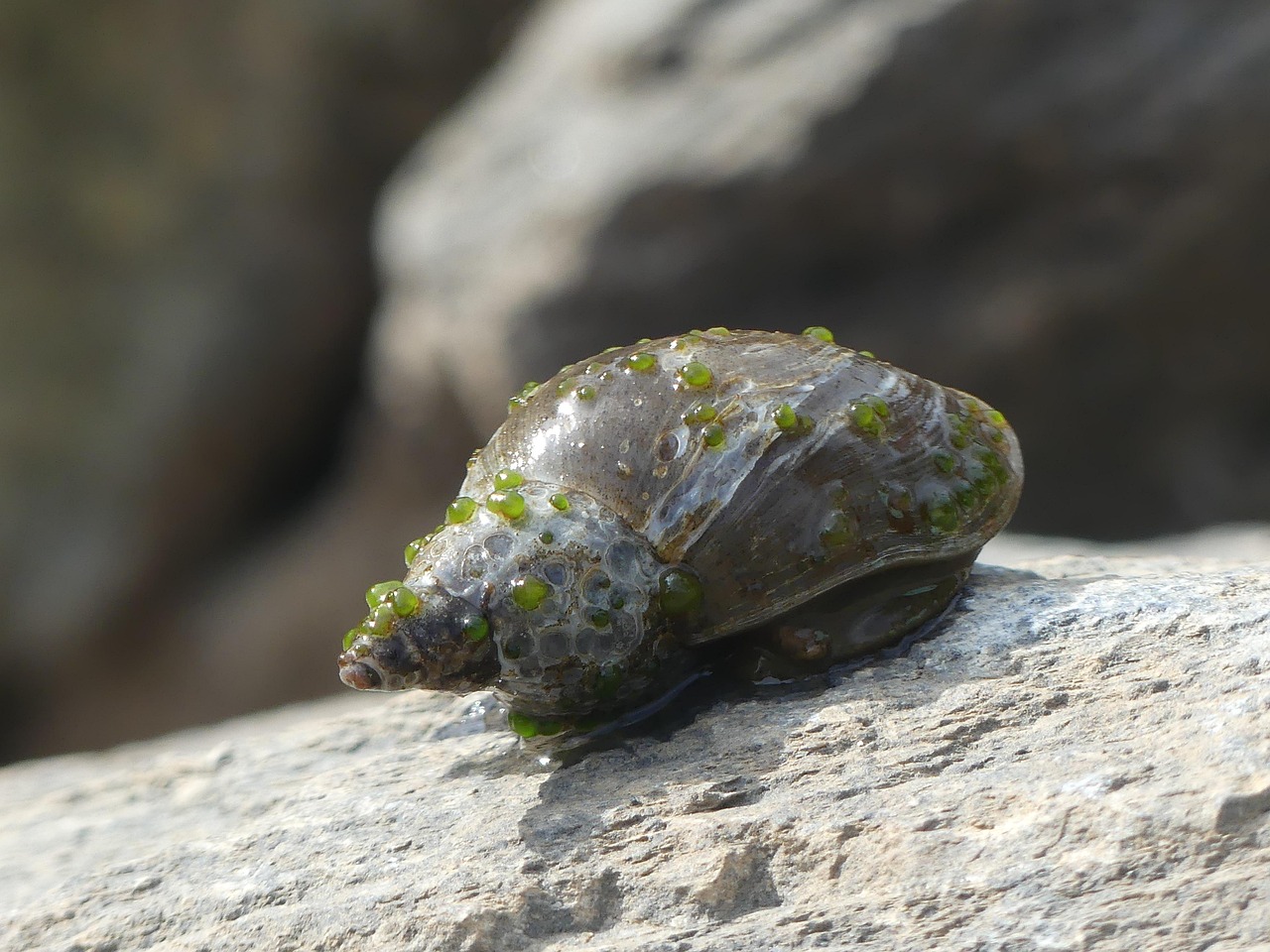
Nerite snails are the gold standard for algae control in planted aquariums, but which type should you choose? This zebra vs horned nerite snail comparison from Gensou Aquascaping at 5 Everton Park, Singapore, puts the two most popular varieties side by side. Both are workhorses that devour algae without touching your plants, yet they differ in size, behaviour, and aesthetic impact in ways that matter for your specific setup. Picking the right one saves frustration and keeps your tank looking its best.
Species Background
Zebra nerites (Neritina natalensis) display bold black-and-gold striped patterns across a smooth, rounded shell roughly 2-3 cm in diameter. Horned nerites (Clithon corona or Clithon diadema) are smaller at 1-2 cm, with an olive or yellow shell adorned with protruding horn-like spines. Both originate from brackish and freshwater habitats in Southeast Asia and Africa. In the wild, they move between fresh and brackish water for breeding — a detail that becomes relevant for aquarium keepers, as we will discuss later.
Algae-Cleaning Ability
Both species are exceptional algae consumers. Zebra nerites, being larger, cover more surface area and are particularly effective on flat glass panels and broad leaves. Their stronger radula scrapes through green spot algae that many other snails leave behind. Horned nerites excel in tight spaces — between plant stems, around hardscape crevices, and on equipment surfaces. For a standard 60 cm planted tank, three to four zebra nerites or five to six horned nerites provide comparable cleaning coverage. Neither species eats live plants, making them genuinely safe for even delicate species like Rotala and Pogostemon.
The Egg Problem
Here is the main drawback of nerite snails: they deposit hard, white, sesame-seed-sized eggs on virtually every hard surface in the tank. Driftwood, glass, filter outlets, and stone faces all become dotted with these stubborn deposits. The eggs will not hatch in freshwater — nerite larvae require brackish water to develop — but the eggs themselves are unsightly and difficult to remove. Zebra nerites tend to lay more eggs more frequently than horned nerites, likely due to their larger body size. If egg deposits bother you, horned nerites are the slightly less frustrating option, though neither is truly “clean.”
Size and Aesthetic Impact
In nano tanks of 10-30 litres, horned nerites are the clear winner. Their compact size matches the scale of small aquascapes without looking out of proportion. The tiny horn projections add visual interest and make them look almost ornamental. Zebra nerites suit medium to large tanks where their bold stripes become a design element rather than a distraction. Shell patterns vary enormously within both species — you can find zebra nerites with thick or thin stripes, and horned nerites in olive, yellow, or near-black colour forms. Selecting individuals at the shop is half the fun.
Behaviour and Escape Tendencies
Both nerite species are notorious escape artists. They climb above the waterline and, without a secure lid, will end up on your floor overnight. Horned nerites are slightly less prone to escape attempts in our experience, possibly because their smaller size makes climbing over tank rims harder. Always use a fitted lid or lower the water level 2-3 cm below the rim. In Singapore’s humid climate, an escaped nerite can survive several hours on a cool floor, so check around the tank stand if you notice one missing.
Water Parameters and Lifespan
Nerites prefer slightly hard, alkaline water — pH 7.0-8.2 and GH 6-12 — for healthy shell development. Singapore’s soft tap water can lead to shell erosion over time; adding a small amount of crushed coral to your filter compensates effectively. Both species tolerate 22-30°C comfortably. Lifespan averages 1-2 years for horned nerites and 2-3 years for zebra nerites. Pricing is similar locally: $1-3 each at shops, with horned nerites sometimes slightly cheaper due to smaller size.
Which Should You Choose?
For nano and small tanks under 40 litres, horned nerites are the better fit — proportionate size, fewer eggs, and effective cleaning in tight spaces. For medium to large tanks, zebra nerites cover more ground with fewer individuals and their striking stripes add visual appeal. There is no wrong answer; both are among the most useful invertebrates available. Many experienced aquascapers, including the team at Gensou Aquascaping, run a mix of both to cover all surfaces efficiently.
Buying Tips in Singapore
Inspect shells carefully before purchasing. Avoid snails with pitted, eroded, or cracked shells — these indicate prolonged exposure to overly soft or acidic water and may not recover. Healthy nerites are active, with the foot visibly attached to a surface. Shops along Serangoon North Avenue 1 and C328 at Clementi typically carry both varieties. Online sellers on Carousell often offer bulk deals of 10 or more at reduced per-unit prices. This zebra vs horned nerite snail comparison should help you stock your cleanup crew with confidence.
Related Reading
- Why Nerite Snails Won’t Breed in Freshwater: The Full Explanation
- Nerite Snail Species Comparison: Zebra, Tiger, Horned and Olive
- Nerite Snail vs Mystery Snail: Algae Eating, Size and Breeding
- Olive Nerite Snail Care Guide: Classic Dark Shell Workhorse
- Red Racer Nerite Snail Care Guide: Tracked Shell Speed Demon



