
Horned Nerite Snail Care Guide: Spiky Shells and Clean Glass
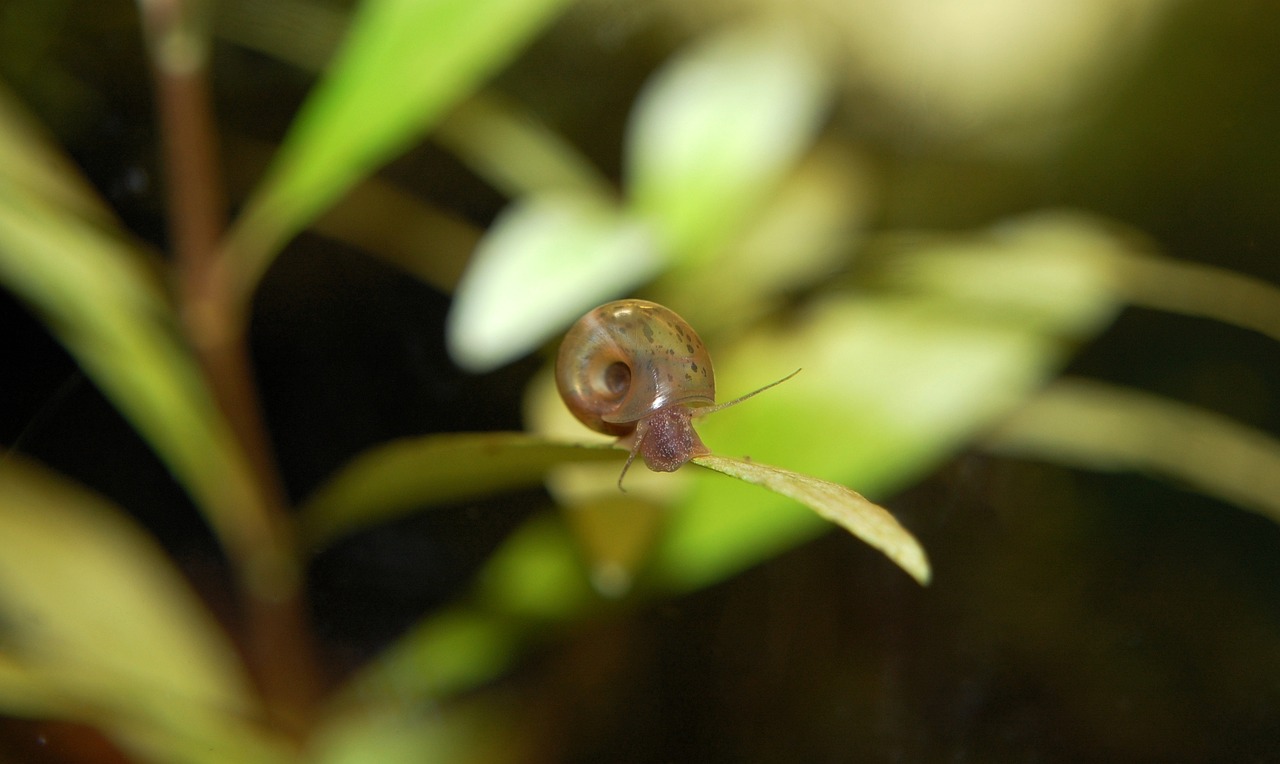
This horned nerite snail care guide explains how to keep Clithon corona, the spiky-shelled algae grazer that works tirelessly to keep aquarium glass and hardscape spotless. At Gensou Aquascaping, found at 5 Everton Park, Singapore, we recommend horned nerites as one of the most effective and visually interesting clean-up crew members for planted tanks of all sizes.
Species Overview
Horned nerite snails are found in brackish and freshwater environments across Southeast Asia, including Indonesia and the Philippines. They are readily available in the Singapore aquarium trade and are distinguished by the small horn-like projections on their shells, which vary in number and size between individuals.
Adults reach approximately 1.5 to 2 cm in diameter. Shell colouration ranges from dark brown and black to olive and yellow, often with attractive stripe or zigzag patterns. The horns serve no known functional purpose but give these snails a unique, almost prehistoric appearance that sets them apart from other nerite varieties.
Tank Requirements
Horned nerite snails adapt to a wide range of tank sizes, from nano setups of 10 litres to large community aquariums. Stock one snail per 10 to 15 litres to ensure sufficient algae availability without overloading the tank’s carrying capacity.
They thrive in planted aquariums with a variety of surfaces to graze, including glass panels, rocks, driftwood, and broad-leaved plants like Anubias and Bucephalandra. Avoid tanks with only fine-leaved or delicate plants, as the snails prefer hard, flat surfaces for feeding. A secure lid is advisable, as nerites occasionally wander above the waterline.
Water Parameters
Horned nerites are hardy and tolerate a wide range of conditions. Maintain the temperature between 22 and 28 degrees Celsius, which covers Singapore’s typical ambient and air-conditioned room temperatures. A pH of 6.5 to 8.0 and general hardness of 6 to 15 dGH suit them well.
These snails require some mineral content in the water to maintain healthy shell growth. Very soft, acidic water can erode their shells over time, leading to pitting and thinning. If your planted tank uses active buffering substrate that drops pH below 6.5, supplement with mineral stones or a slightly harder water change regime to support shell integrity.
Diet and Algae Control
Horned nerite snails are voracious algae eaters, consuming green spot algae, soft green algae, diatoms, and biofilm with remarkable efficiency. A small group can keep the glass and hardscape of a moderately lit tank virtually algae-free, reducing the need for manual cleaning.
In very clean tanks with minimal algae growth, supplement their diet with blanched vegetables such as courgette, spinach, or algae wafers. Without adequate food, the snails may starve despite their reputation as hardy creatures. Observe their activity levels; a well-fed nerite actively moves across surfaces, while a hungry or stressed one may remain stationary for extended periods.
Behaviour and Habits
Horned nerites are peaceful, solitary grazers that pose no threat to fish, shrimp, or plants. They methodically work their way across surfaces, leaving clean trails in their wake. Their activity pattern is somewhat irregular, with periods of active grazing followed by rest periods where they attach firmly to a surface and remain still.
They may occasionally climb above the waterline, particularly at night. Ensure there is no gap in the tank lid through which they could escape and desiccate. If a snail is found outside the water, return it promptly; they can survive brief periods in air but will not thrive out of water long-term.
Compatibility with Fish and Shrimp
Horned nerite snails are compatible with virtually all peaceful community fish, shrimp species, and other snails. Their hard shells and spiny projections provide some deterrent against curious fish, though species like pufferfish and large cichlids should be avoided as they may crack the shells.
In shrimp-focused tanks, nerites are ideal companions, as they compete minimally for food and do not prey on shrimplets. They share the biofilm grazing habit with Caridina and Neocaridina shrimp, but the tank’s biofilm production in a well-established setup typically supports both without issue.
Reproduction and Egg Management
Horned nerite snails lay small, hard white eggs on hard surfaces such as driftwood, rocks, and glass. These eggs are a common source of frustration for aquarists, as they do not hatch in freshwater and can be difficult to remove. The snails require brackish or saltwater conditions for larval development, so population control is self-limiting in freshwater tanks.
To minimise unsightly egg deposits, keep fewer snails or choose predominantly male specimens, though sexing nerites is challenging. Scraping eggs off glass with a razor blade is the most effective removal method. On porous surfaces like driftwood, the eggs eventually dissolve over several weeks.
Why Horned Nerites Belong in Your Aquascape
The horned nerite snail combines practical algae control with genuine visual charm. Their spiky shells add character to any tank, and their tireless grazing habit earns them a permanent place in the clean-up crew. For Singapore aquascapers seeking a low-maintenance, effective algae solution with personality, horned nerites are difficult to beat. Visit Gensou Aquascaping at 5 Everton Park to pick up healthy specimens and learn how to integrate them into your planted setup.
Related Reading
- Zebra vs Horned Nerite Snail: Which Is Better for Your Tank?
- Why Nerite Snails Won’t Breed in Freshwater: The Full Explanation
- Nerite Snail Species Comparison: Zebra, Tiger, Horned and Olive
- Nerite Snail vs Mystery Snail: Algae Eating, Size and Breeding
- Olive Nerite Snail Care Guide: Classic Dark Shell Workhorse



