
Olive Nerite Snail Care Guide: Classic Dark Shell Workhorse
Among the many nerite snail varieties, the olive nerite stands out for its understated dark green-brown shell and relentless work ethic on algae-covered surfaces. This olive nerite snail care guide from Gensou Aquascaping at 5 Everton Park, Singapore, covers ideal tank conditions, feeding, the notorious egg problem, and how to get the most algae-cleaning performance from these small but mighty gastropods. If you want a natural cleanup crew that earns its keep, olive nerites are hard to beat.
Species Overview
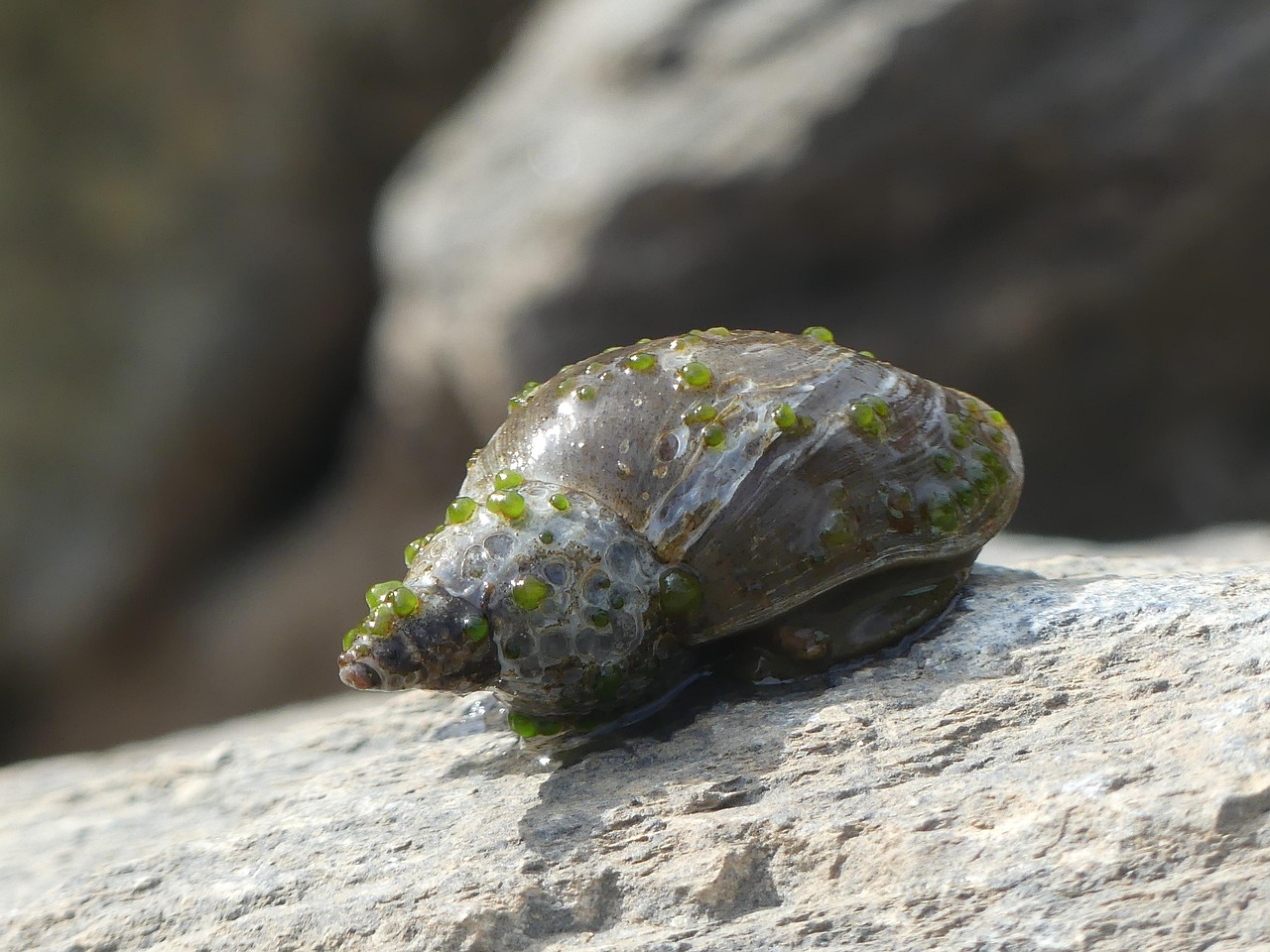
Olive nerite snails (Vittina usnea, formerly Neritina reclivata) originate from brackish and freshwater coastal habitats in the Americas. Their shells are smooth, rounded, and typically olive-green to dark brown — sometimes nearly black — often with faint darker striping. Adults reach 2-2.5 cm in diameter. Unlike pest snails such as bladder snails or Malaysian trumpet snails, nerites cannot reproduce in freshwater, making population control a non-issue.
Algae-Cleaning Ability
Olive nerites are among the most efficient algae grazers available. A single snail can keep 20-30 litres of glass spotless, methodically rasping soft green algae, diatoms, and brown film from glass, rocks, driftwood, and plant leaves. They are less effective against hair algae or black beard algae — those require different solutions. For a standard 60 cm planted tank, three to four olive nerites provide thorough coverage without overgrazing. You can visibly track their progress by the clean trails they leave across algae-coated surfaces.
Tank Requirements
Nerites thrive in any established aquarium with stable water and a food source. They are equally at home in heavily planted tanks, cichlid setups, and shrimp colonies. Avoid placing them in newly cycled tanks with no algae growth — without food, they slowly starve. A tight-fitting lid is essential because nerites are notorious escape artists, particularly at night. Finding a desiccated snail behind your tank stand is an unfortunately common experience for keepers who skip the lid.
Water Parameters
Aim for pH 7.0-8.2, GH 6-15, and temperatures of 22-28 °C. Singapore’s dechlorinated tap water suits them well, requiring no special adjustments. Nerites need adequate calcium for shell maintenance — GH above 6 is important. If your water is very soft, supplement with a calcium source such as cuttlebone, crushed coral, or a mineral block. Signs of calcium deficiency include pitting, erosion, or white patches on the shell. Avoid copper-based medications in any tank housing nerites, as copper is lethal to invertebrates even in trace amounts.
Feeding Beyond Algae
In tanks with minimal algae, supplement with blanched vegetables — courgette, cucumber, and spinach are readily accepted. Algae wafers placed near the glass overnight provide another reliable food source. Nerites rarely touch live plants, making them safe for even the most delicate aquascapes. However, they may rasp soft biofilm from plant leaves with enough vigour to leave minor marks on very delicate species like Pogostemon helferi.
The Egg Problem
Olive nerites lay small, white, hard-shelled eggs on virtually every hard surface — glass, rocks, wood, filter intakes, and equipment. These eggs will not hatch in freshwater but also will not dissolve, creating an aesthetic nuisance that frustrates many keepers. Removing them requires gentle scraping with a razor blade or old credit card. Keeping only males eliminates the issue, but sexing nerites is nearly impossible without examining the gonads under magnification. Some hobbyists simply accept the eggs as the trade-off for excellent algae control.
Lifespan and Health
With proper care, olive nerites live 2-3 years in a freshwater aquarium. The most common health issue is shell erosion from soft, acidic water — once damage occurs, the shell does not regenerate, though further erosion stops if conditions improve. An upside-down nerite that cannot right itself within a few hours may be weakened or dying; place it right-side-up near a food source and monitor closely. Sudden death after introduction often indicates sensitivity to ammonia or nitrite — always drip-acclimate nerites over 30-60 minutes rather than floating the bag.
Buying Tips for Singapore
Olive nerites are widely available at local fish shops for $1.50-3 each, making them one of the most affordable cleanup crew members. Inspect shells for deep pitting or cracks before purchasing, and avoid snails that have retracted deeply with no response to gentle touch. Shops along Thomson Road and Serangoon North typically carry a good selection. Gensou Aquascaping considers nerites an essential addition to most freshwater setups — simple, effective, and completely hassle-free once settled in.
Related Reading
- Horned Nerite Snail Care Guide: Spiky Shells and Clean Glass
- Why Nerite Snails Won’t Breed in Freshwater: The Full Explanation
- Nerite Snail Species Comparison: Zebra, Tiger, Horned and Olive
- Nerite Snail vs Mystery Snail: Algae Eating, Size and Breeding
- Red Racer Nerite Snail Care Guide: Tracked Shell Speed Demon



