
Zebra Pleco L046 Diet Guide: Protein, Pellets and What to Avoid
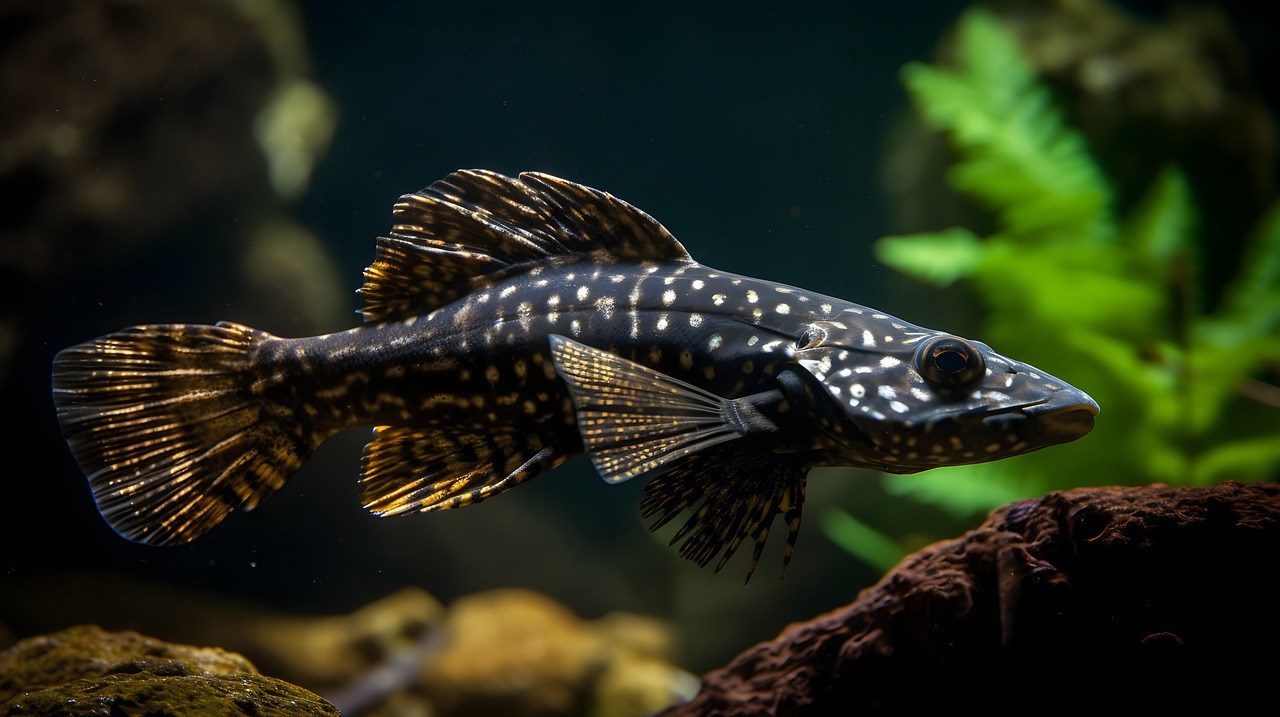
The zebra pleco (Hypancistrus zebra, L046) commands premium prices and demands equally premium nutrition to thrive. Unlike most plecos, this species is primarily carnivorous, not an algae eater. This zebra pleco L046 diet guide from Gensou Aquascaping at 5 Everton Park, Singapore, explains exactly what to feed, how often, and which common foods to avoid. Getting the diet right is arguably the single most important factor in keeping these black-and-white beauties alive long term.
Why L046 Nutrition Is Different
Hypancistrus zebra evolved in the fast-flowing, rocky Rio Xingu in Brazil, where it feeds on insect larvae, small crustaceans, and biofilm rather than algae. Its gut is shorter than herbivorous plecos, designed for processing animal protein efficiently. Offering a vegetable-heavy diet leads to malnutrition, poor colouration, and eventual organ failure. Understanding this carnivorous preference is the foundation of proper L046 care.
Best Staple Foods
High-protein sinking pellets should form 60-70% of the diet. Look for pellets with insect meal, fish meal, or shrimp meal listed as the first ingredient, with protein content above 40%. Repashy Grub Pie and Hikari Carnivore Pellets are widely available in Singapore through Shopee, Lazada, and local fish shops along Serangoon North Avenue 1. Supplement with frozen bloodworms, brine shrimp, and mysis shrimp two to three times per week for variety.
Live Foods for Conditioning
Live blackworms are the gold standard for bringing zebra plecos into breeding condition. They can be purchased from specialist breeders on Carousell or at aquarium shops that stock live foods. Offer a small cluster of blackworms once or twice a week, placing them directly near the pleco’s hiding cave in the evening. Live daphnia and mosquito larvae are also excellent supplementary foods. These live options stimulate natural foraging behaviour and provide nutrition that no processed food can fully replicate.
Feeding Schedule and Portions
Feed once daily, ideally 30-60 minutes after lights go off. Zebra plecos are nocturnal and rarely eat under bright lighting. Drop two to three pellets per fish near their cave entrance. Remove any uneaten food the next morning to maintain water quality. Overfeeding is a common mistake that leads to fouled water and bacterial infections in a species that demands pristine conditions. In a well-stocked tank, a modest feeding every day outperforms larger meals every other day.
Foods to Avoid
Algae wafers and spirulina-based foods provide little nutritional value for H. zebra and can cause bloating. Avoid cucumber, zucchini, and other vegetables commonly offered to herbivorous plecos. Beef heart and other mammalian proteins are controversial: while high in protein, they contain saturated fats that tropical fish cannot metabolise efficiently. Stick to aquatic and insect-based proteins for the safest, most species-appropriate nutrition.
Signs of Poor Nutrition
A sunken belly is the earliest warning sign. Healthy zebra plecos have a gently rounded abdomen when viewed from above. Faded or yellowish stripes, lethargy, and refusal to leave the cave even at night all indicate nutritional stress. If you notice these symptoms, increase live food offerings immediately and test your water parameters, as poor diet and poor water quality often compound each other. Recovery is possible if caught early, but prolonged malnutrition causes irreversible liver damage.
Adapting to Singapore Conditions
Singapore’s warm ambient temperature of 28-32 °C is actually higher than ideal for zebra plecos, which prefer 26-30 °C. Higher temperatures increase metabolic rate, meaning your fish needs slightly more food than it would in a cooler setup. If you run a chiller to keep the tank at 27 °C, feed slightly smaller portions. Water softness is not an issue here: Singapore tap water at GH 2-4 suits this soft-water species well. Budget $80-150 per month for quality food if you keep a small colony of four to six L046 specimens.
Related Reading



